Book· 1967· Drama

Cien años de soledad (One Hundred Years of Solitude)

by Gabriel García Márquez

Cien años de soledad (One Hundred Years of Solitude): 6 recorded works trace back to it, and it draws on 3 recorded sources.

Open on the map

What Cien años de soledad (One Hundred Years of Solitude) influenced

Works that record this one as a source, with the evidence a contributor gave.

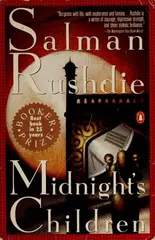
Midnight's Children

Book · 1981

InfluenceHIGH

Rushdie has named the debt repeatedly and written an essay about it, and the two novels answer each other point for point:

  • A family saga standing in for a nation's century, told by a narrator inside it
  • The impossible reported in the same flat voice as the everyday, so nobody in the book is surprised
  • Births timed to a political event, which then shape everything the children become
  • A closing act that folds the telling back into the told

Rushdie's own qualification is worth keeping: he has said the real common source is the condition of writing from a place where the official history is not believed.
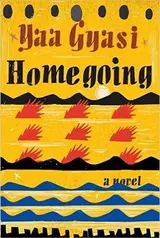
Homegoing

Book · 2016

InfluenceMEDIUM

Yaa Gyasi lists One Hundred Years of Solitude, with Morrison's Song of Solomon and Baldwin, among the books behind Homegoing: a family saga across many generations, each chapter a new descendant, carried by a family's inheritance of curse and memory.

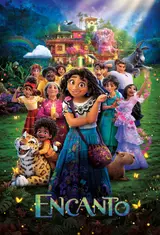
Encanto

Animation · 2021

InfluenceMEDIUM

Directors Byron Howard and Jared Bush named Gabriel García Márquez's magical realism, and One Hundred Years of Solitude's multigenerational Colombian family, as a touchstone for the Madrigals and their magic house.

What influenced Cien años de soledad (One Hundred Years of Solitude)

The works this one is recorded as drawing on.

Pedro Páramo

Book · 1955

InfluenceHIGH

García Márquez told this story about himself for the rest of his life. He had been stuck for two years when Álvaro Mutis handed him Rulfo's novel in Mexico City in 1961; he read it twice in one night, and has said he could go on to recite it whole, forwards and backwards. What he took was permission: a village where the dead speak in the same tone as the living, with no signal that the register has changed. Comala is the road to Macondo.