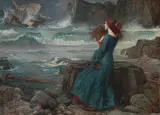
Gonzalo's description of his ideal commonwealth echoes, in theme and in wording, Montaigne's essay "Of the Cannibals" in John Florio's 1603 translation.
Nonfiction· 1580· Philosophy
Essais (Essays): 2 recorded works trace back to it, and it draws on 2 recorded sources.
Works that record this one as a source, with the evidence a contributor gave.
Gonzalo's description of his ideal commonwealth echoes, in theme and in wording, Montaigne's essay "Of the Cannibals" in John Florio's 1603 translation.
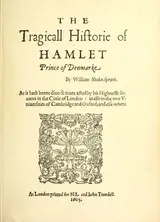
Scholars have long traced Hamlet's sceptical, self-examining soliloquies to Montaigne's Essays, which Shakespeare could have known in Florio's translation, circulating in manuscript before its publication in 1603. LOW: the dating makes the debt debated.
The works this one is recorded as drawing on.
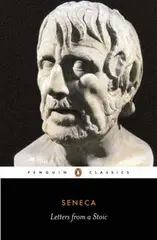
Montaigne names Seneca, with Plutarch, as the author he returns to most, and quotes the Letters throughout the Essays; their informal, discursive letters on how to live are one model for his new form.
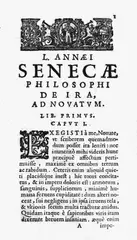
Montaigne's essay "De la colère" (II.31) works through Seneca's De ira, quoting its arguments and examples on whether anger can ever be useful.