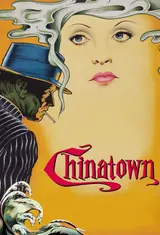
Robert Towne wrote Chinatown after discovering Raymond Chandler's Los Angeles, and Jake Gittes is a private eye in the line of Philip Marlowe.
BookSeries· 1939· Crime
Philip Marlowe: 7 recorded works trace back to it, and it draws on 1 recorded source.
Works that record this one as a source, with the evidence a contributor gave.
Robert Towne wrote Chinatown after discovering Raymond Chandler's Los Angeles, and Jake Gittes is a private eye in the line of Philip Marlowe.
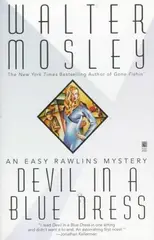
Walter Mosley grew up reading Chandler, Hammett and Ross Macdonald, and Easy Rawlins works the same Los Angeles from the Black neighbourhoods Marlowe rarely entered; Mosley retells the opening of Farewell, My Lovely from the point of view of the bar's Black customers, and has called Easy in many ways Marlowe's opposite.
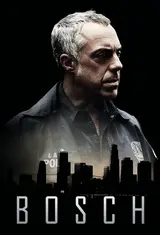
Michael Connelly has said reading Chandler is what made him want to write crime fiction, and his Harry Bosch, the Los Angeles detective of the novels this series adapts, is written in Marlowe's line: a solitary moralist working a corrupt city.
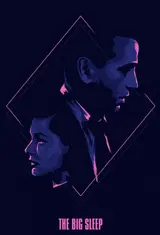
Howard Hawks's film, written with William Faulkner, adapts The Big Sleep (1939), the first Philip Marlowe novel, with Humphrey Bogart; its plot is famously tangled and the ending was changed for the censors.
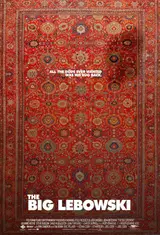
The Coen brothers modelled The Big Lebowski's plot on Raymond Chandler's The Big Sleep: a rich man's kidnapping case, a missing woman and a detective out of his depth in Los Angeles.
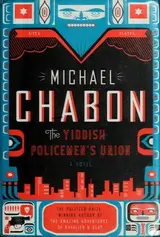
Michael Chabon wrote The Yiddish Policemen's Union as a hardboiled detective novel in the manner of Raymond Chandler.
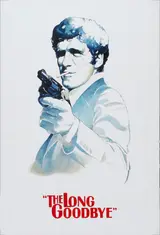
Robert Altman's film moves Chandler's 1953 Marlowe novel to 1970s Los Angeles, with Elliott Gould as a shambling Marlowe, and changes the ending.
The works this one is recorded as drawing on.
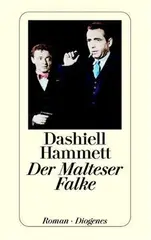
Raymond Chandler praised Hammett in The Simple Art of Murder for giving murder back to people with reasons, and Marlowe is the hard-boiled private eye Hammett's Sam Spade made.