Film· 1954· Science Fiction

ゴジラ (Godzilla)

by 本多猪四郎 Ishirō Honda

ゴジラ (Godzilla): 3 recorded works trace back to it, and it draws on 1 recorded source.

Open on the map

What ゴジラ (Godzilla) influenced

Works that record this one as a source, with the evidence a contributor gave.

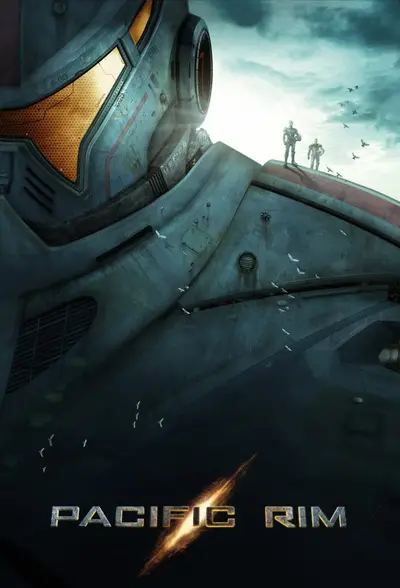
Pacific Rim

Film · 2013

InfluenceHIGH

Pacific Rim is a kaiju film made in Hollywood by a director who has been explicit about the debt, and the word it uses for its monsters is the Japanese one the 1954 film's genre is named after. What it takes from Honda's film is the scale and how the scale is staged: creatures large enough that cities are the terrain rather than the setting, destruction shot from street level, and an emergency answered by an institution rather than by a hero. What it does not take is the 1954 film's subject, which is the bomb and the fallout, and that difference is the honest limit on the claim.
The Host

Film · 2006

InfluenceMEDIUM

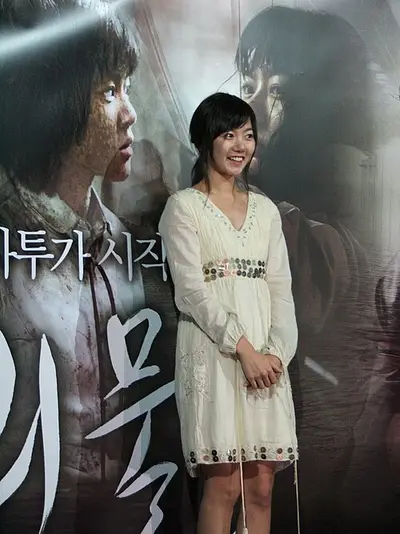
Bong has discussed working inside the kaiju tradition and then refusing its scale. The inherited idea is Honda's: a monster produced by a foreign power's carelessness with chemistry, which the authorities then mishandle worse than the monster does. The Host opens with an American military officer ordering formaldehyde poured into the Han River, which happened. The departure is size and focus. Godzilla levels a city; Bong's creature takes one girl, and the film is about her family being obstructed by quarantine officials for two hours.

Godzilla vs. Kong

Film · 2021

InfluenceMEDIUM

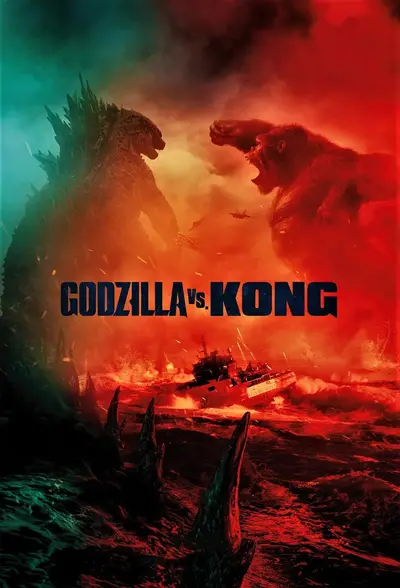
The creature, the name and the premise of an ancient animal woken and made monstrous by human interference all come from Honda's 1954 film. What does not carry over is its subject: the original is explicitly about the bomb and the Lucky Dragon incident, and the later film treats Godzilla as a force of nature with no such referent.

What influenced ゴジラ (Godzilla)

The works this one is recorded as drawing on.

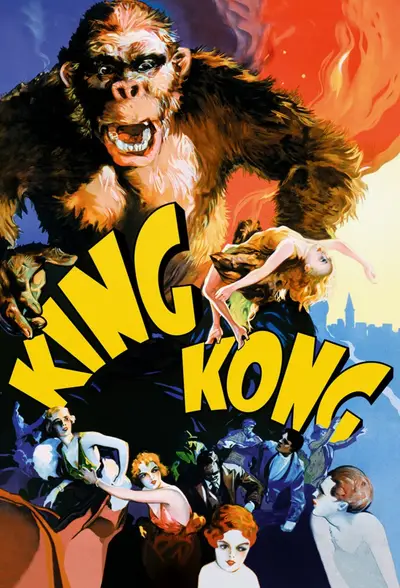
King Kong

Film · 1933

InfluenceHIGH

Toho's producers set out to make a Japanese giant-monster film after the success of the 1952 reissue of King Kong, and Godzilla is the result: a creature large enough to destroy a modern city, staged as newsreel-scale catastrophe. The technique diverged immediately and that divergence mattered. Kong is stop-motion animation; Eiji Tsuburaya used a man in a suit on a miniature city, shot at high speed so the destruction moves with the weight of something enormous. That method is what suitmation means, and it came out of trying to do King Kong on a Japanese studio's schedule. The subject is Toho's own: the bomb, the tests, and the fallout.