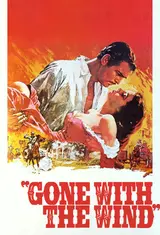
Book· 1936· Historical

Gone with the Wind

by Margaret Mitchell

Gone with the Wind: 2 recorded works trace back to it, and it draws on 1 recorded source.

Open on the map

What Gone with the Wind influenced

Works that record this one as a source, with the evidence a contributor gave.

Gone with the Wind

Film · 1939

AdaptationHIGH

Selznick bought the film rights to Margaret Mitchell's novel the year it was published, and the adaptation was the most publicised of its era, down to a nationwide search for someone to play Scarlett. The film follows the novel's shape: a plantation childhood, the war, the ruin, the second act in Atlanta, and a marriage that fails because neither party will say what they want until it is too late. Book and film both carry the plantation myth of the antebellum South and its account of the people enslaved there, and the film has been read and re-read for that ever since.
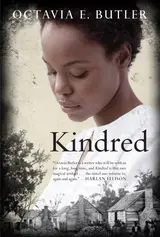
Kindred

Book · 1979

Reaction againstLOW

A critics' reading. Lisa Yaszek reads Kindred as a deliberate answer to the romanticised plantation of Gone with the Wind, written largely by white authors.

Real-world influences

Events, places, movements and ideas outside fiction that this work is recorded as drawing on.

History

Real world

Real-world influenceHIGH
  • American Civil War

Margaret Mitchell's novel follows Scarlett O'Hara through the American Civil War and Reconstruction in Georgia, including the burning of Atlanta.

About the work

Gone with the Wind

The story is set in Clayton County and Atlanta, both in Georgia, during the American Civil War and Reconstruction era. It depicts the struggles of young Scarlett O'Hara, the spoiled oldest daughter of a well-to-do plantation owner, who must use every means at her disposal to claw her way out of poverty following Sherman's destructive "March to the Sea". This historical novel features a coming-of-age story, with the title taken from the poem Non Sum Qualis eram Bonae Sub Regno Cynarae by Ernest Dowson.