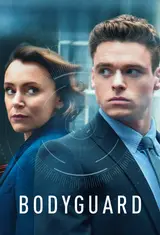
A general debt. Jed Mercurio has said he wanted to bring to British television the political thriller that American shows like House of Cards had been doing: power, ambition and conspiracy at the top of government.
TV Series· 2013· Drama
House of Cards: 1 recorded work traces back to it, and it draws on 4 recorded sources.
Works that record this one as a source, with the evidence a contributor gave.
A general debt. Jed Mercurio has said he wanted to bring to British television the political thriller that American shows like House of Cards had been doing: power, ambition and conspiracy at the top of government.
The works this one is recorded as drawing on.
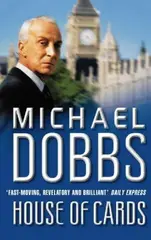
The American series is credited as based on Michael Dobbs's novel House of Cards and the BBC series adapted from it. Dobbs's Chief Whip Francis Urquhart, who schemes and murders his way to Downing Street while confiding in the reader, becomes Frank Underwood, a House Majority Whip doing the same in Washington and talking to the camera.
The show's method is Machiavelli's: politics described as it is practised rather than as it is justified. Frank Underwood's asides to camera are a running commentary on how power is actually acquired and kept, which is the form of The Prince, a manual addressed to a ruler about means. The specific inheritance is the separation of effectiveness from virtue. Machiavelli's argument that a prince must learn how not to be good, and use it according to necessity, is the premise the series dramatises and then tests to destruction. The debt runs through the British original and Dobbs's novel as well as directly.
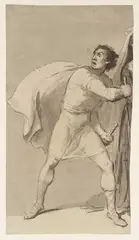
Beau Willimon has named Shakespeare as the model for the series, Richard III for Frank's asides to camera and Macbeth for the marriage. Frank and Claire are written as a couple whose ambition is shared rather than one partner's, who plan murder together and then pay for it in how they see each other, which is the Macbeths' story moved to Washington.
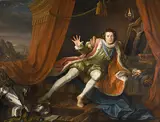
Beau Willimon has named Richard III as a model for Frank Underwood, who, like Richard, confides his schemes directly to the audience while he murders his way to the top.