FilmSeries· 2003· Action

Kill Bill

by Quentin Tarantino

Kill Bill: it draws on 3 recorded sources.

Open on the map

What influenced Kill Bill

The works this one is recorded as drawing on.

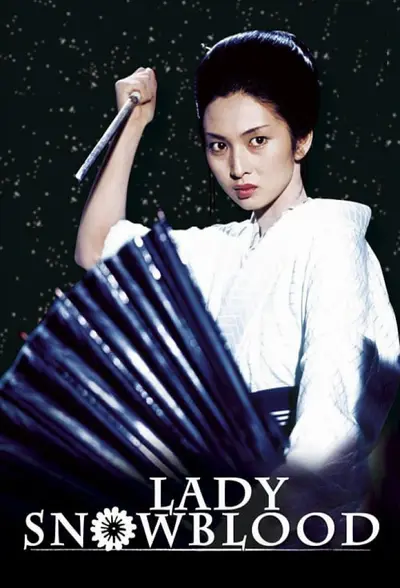
Lady Snowblood

Film · 1973

InfluenceHIGH

Tarantino has named it as the single biggest influence on Kill Bill, and the film does not hide it: The Flower of Carnage, sung by Meiko Kaji over the end of Lady Snowblood, plays over the end of the House of Blue Leaves. What is taken: a woman with a sword working through a list of named targets, chapters with title cards and an order that is not chronological, blood staged as arterial geysers against snow, and an anime sequence to carry the origin. O-Ren Ishii's chapter is the closest to a direct quotation, and the snow garden duel is Lady Snowblood's ending restaged almost shot for shot.
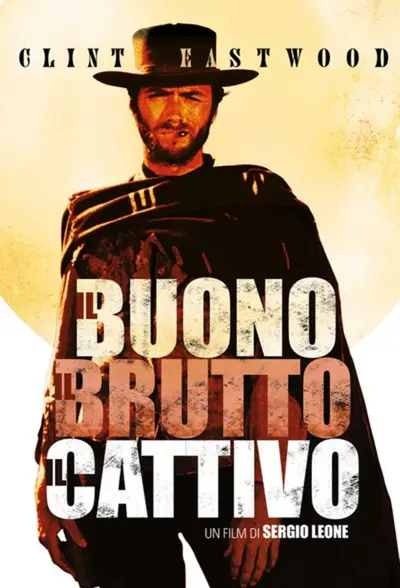
Tarantino has never hidden this one and the film quotes it openly:

  • Morricone is used directly on the soundtrack, not imitated
  • The extreme close-up on eyes before a killing, held far past comfort
  • A standoff staged in a cemetery, which is where Leone's ends
  • Chapter headings and a revenge list, so the plot is a structure rather than a mystery

What Tarantino changes is the genre underneath: Leone's grammar applied to a Japanese sword film, which is itself where Leone got A Fistful of Dollars from.

Tarantino's debt to Leone is the most openly stated thing about him, and Kill Bill is where it is most visible outside a western.

  • The revenge plot built as a list, with each name a set piece
  • Extreme close-ups on eyes held past comfort, cut against very wide frames
  • A musical cue that announces a character before they act, used as Leone used Morricone's harmonica
  • The long wordless stand-off, where the tension is entirely in duration

Filed MEDIUM. Kill Bill is assembled from a dozen traditions at once, chiefly Japanese chanbara and Hong Kong martial arts; the spaghetti western supplies its grammar of waiting rather than its content.