
Psycho-Pass was inspired by several Western films, most of all L.A. Confidential.
Film· 1997· Crime
L.A. Confidential: 1 recorded work traces back to it, and it draws on 3 recorded sources.
Works that record this one as a source, with the evidence a contributor gave.
Psycho-Pass was inspired by several Western films, most of all L.A. Confidential.
The works this one is recorded as drawing on.
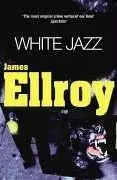
Curtis Hanson and Brian Helgeland adapted the third novel of James Ellroy's L.A. Quartet, and the adaptation is known for how much it threw away: the novel runs for years and across dozens of characters, and the film keeps three detectives and one case. What it preserves is the quartet's argument about Los Angeles in the early 1950s. The police are an organised criminal interest, the press is paid, and the city's image of itself is a product being sold. Ellroy has said publicly that he regards the film as a success on its own terms rather than as a faithful rendering.
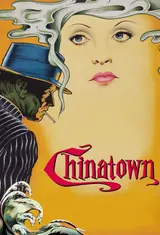
Chinatown made the history of Los Angeles itself the subject of a detective story, and L.A. Confidential is the clearest inheritor: a crime that turns out to be a symptom of how the city was actually built and who took the profit. What both refuse is the clean public settlement. Chinatown ends with the man behind everything untouched and the detective made complicit by failing. L.A. Confidential does destroy its villain, and that is the difference worth stating: Dudley Smith is exposed and shot. What survives is the official version, in which he is buried as a hero and the department's reputation is protected. In both films the city's account of itself at the end is a lie.
Events, places, movements and ideas outside fiction that this work is recorded as drawing on.
Real world
The film's Bloody Christmas, when drunken officers beat prisoners in a station, is drawn from a real 1951 LAPD scandal.