Animation· 1997· Thriller

パーフェクトブルー (Perfect Blue)

by 今敏 Satoshi Kon

パーフェクトブルー (Perfect Blue): 1 recorded work traces back to it, and it draws on 1 recorded source.

Open on the map

What パーフェクトブルー (Perfect Blue) influenced

Works that record this one as a source, with the evidence a contributor gave.

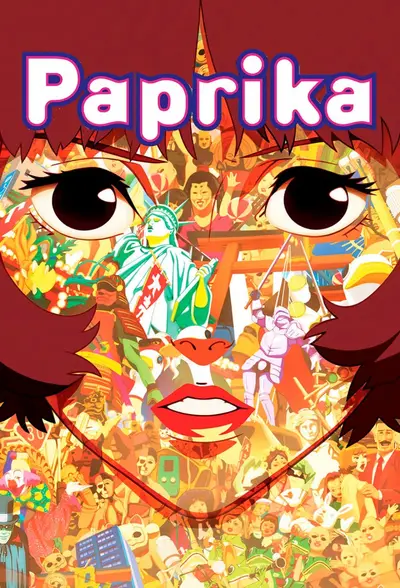
パプリカ Paprika

Animation · 2006

InfluenceMEDIUM

The same director developing one idea across a decade, which is worth an edge because the idea is the thing both films are known for. Perfect Blue works out the technique: a cut that lands in a different reality without warning, so the audience loses its footing at the same moment the protagonist does. Paprika does it continuously and at scale, and makes the mechanism literal rather than psychological. The subject carries over too: a woman split between a public persona and a private self, with the persona increasingly able to act on its own. Filed MEDIUM, as one artist's development rather than a debt to somebody else.
What influenced パーフェクトブルー (Perfect Blue)

The works this one is recorded as drawing on.

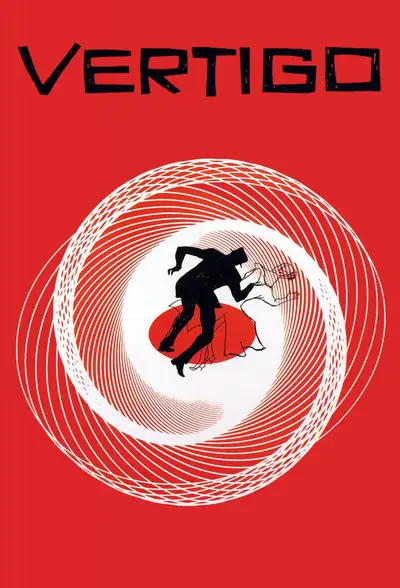
Vertigo

Film · 1958

InfluenceMEDIUM

Kon's film is a Hitchcock construction in animation, and Vertigo is the specific one: a woman remade into an image somebody else needs her to be, and a watcher who cannot tell the woman from the image. The shared machinery is the double. Mima is haunted by the pop idol she stopped being, who appears to her as a separate person; Scottie rebuilds Judy into Madeleine and the film refuses to say which is real. Both end by making the audience complicit in preferring the constructed version. Filed MEDIUM: Kon named Hitchcock and De Palma as reference points for the thriller grammar without singling out this film.

About the work

パーフェクトブルー (Perfect Blue)

Featuring the voices of Junko Iwao, Rica Matsumoto, Shiho Niiyama, Masaaki Okura, Shinpachi Tsuji and Emiko Furukawa, the plot follows a member of a Japanese idol group who retires from music to pursue an acting career. As she becomes a victim of stalking by her obsessive fan, gruesome murders take place, and she begins losing her grip on reality. The film deals with the blurring of the line between fantasy and reality, a commonly found theme in Kon's other works, such as Millennium Actress (2001), Paranoia Agent (2004), and Paprika (2006).