FilmSeries· 1968· Science Fiction

Planet of the Apes

by Franklin J. Schaffner

Planet of the Apes: 1 recorded work traces back to it, and it draws on 1 recorded source.

Open on the map

What Planet of the Apes influenced

Works that record this one as a source, with the evidence a contributor gave.

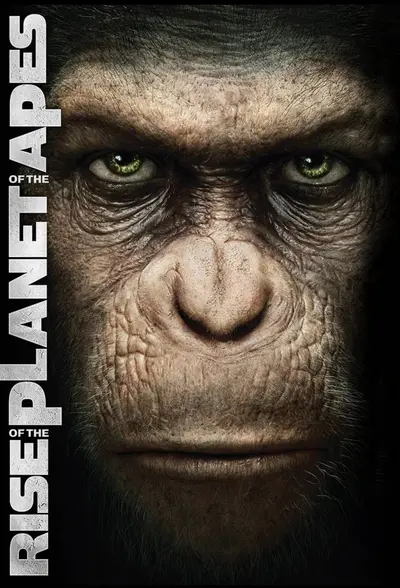
Planet of the Apes (Reboot)

Film · 2011

RemakeHIGH

Rise of the Planet of the Apes restarts the continuity from the beginning rather than continuing it, which is what makes this a remake and not a sequel. It also quietly rebuilds the original's ending as its premise: the 1968 film's twist is that the planet was Earth all along, and the reboot simply starts on Earth and shows how. Caesar's name is inherited from Conquest of the Planet of the Apes (1972), so the new trilogy is arguably closer to a remake of the fourth film than of the first, which is worth a moderator's attention when setting the weight.
What influenced Planet of the Apes

The works this one is recorded as drawing on.

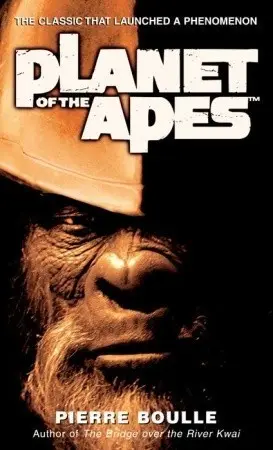
Schaffner's film of Pierre Boulle's novel, screenplay by Michael Wilson and Rod Serling. Boulle's apes have a modern technological civilisation with cars, aircraft and laboratories; the film's are made primitive and pre-industrial, largely for budget, and that constraint produced the look the whole franchise is built on. The Statue of Liberty is Serling's and is not in the book. Boulle's twist is different and quieter: the narrator returns to Earth to be met by an ape. One ending made the film famous; the other is the one that was written.

About the work

Planet of the Apes

This is a series.

In the film, an astronaut crew crash-lands on a strange planet in the distant future. Although the planet appears desolate at first, the surviving crew members stumble upon a society in which apes have evolved into creatures with human-like intelligence and speech. The apes have assumed the role of the dominant species and humans are mute primitives wearing animal skins.