BookSeries· 1915· Thriller

Richard Hannay

by John Buchan

Richard Hannay: 3 recorded works trace back to it, and it draws on 1 recorded source.

Open on the map

What Richard Hannay influenced

Works that record this one as a source, with the evidence a contributor gave.

Bulldog Drummond

Book · 1919

InfluenceHIGH

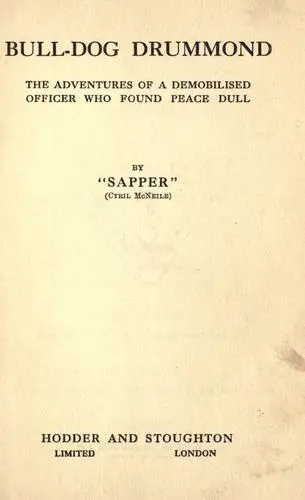
Sapper's Drummond is written directly on the Hannay pattern, four years later and with the war just over: a demobilised officer, bored, wealthy enough to please himself, who advertises for adventure and gets a conspiracy. The structure is Buchan's throughout, including the master criminal with international backing, the chase across English countryside and the amateur who beats a professional organisation because he is fitter and luckier. The two were reviewed together at the time and Drummond was widely treated as the coarser imitation, which is itself the evidence: contemporaries recognised what it was copying.

Rogue Male

Book · 1939

InfluenceMEDIUM

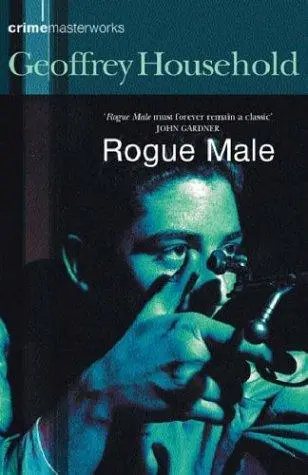
Household is writing the Buchan pursuit, stripped of its comforts. The Thirty-Nine Steps invented the shape: a competent gentleman amateur, wrongly hunted, moving across open country by his own wits with the authorities and the enemy both behind him. Rogue Male keeps the shape and removes the club, the friends and the explanation. The hero is unnamed, his motive for stalking a European dictator is left deliberately unclear, and the last third has him living underground in a Dorset hedge like an animal.

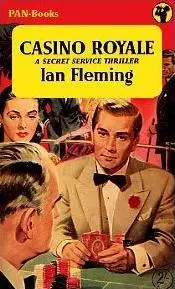
James Bond

Book · 1953

InfluenceMEDIUM

Fleming was deeply influenced by Buchan's "shocking-headed" thrillers. He borrowed the trope of the lone, resourceful British gentleman forced to save the realm through sheer endurance and physical grit.

What influenced Richard Hannay

The works this one is recorded as drawing on.

Kim

Book · 1901

InfluenceMEDIUM

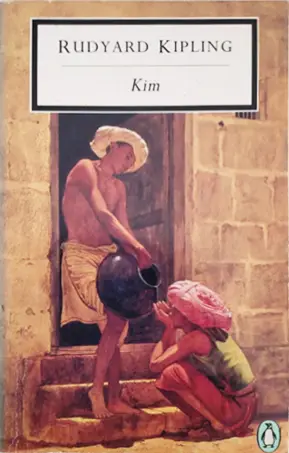
Kim is where the spy novel's basic materials first appear together: the Great Game named as such, an agent who passes as a local, a network of informants, and espionage treated as an imperial administrative activity rather than as a crime. Buchan knew Kipling's work well and The Thirty-Nine Steps takes the parts that suit a thriller: the hunted man crossing country, the disguises, the assumption that the enemy is competent and everywhere. What he drops is Kipling's interest in the boy himself. A MEDIUM weight because this is a genre debt within a generation rather than a borrowing Buchan set down on the record.

About the work

Richard Hannay

This is a series.

The novel’s protagonist, Richard Hannay, is an expatriate Scot who has just returned to London after many years in South Africa working in the mining industry. He finds England extremely dull and is just considering returning to South Africa when he is accosted by another inhabitant of the block of flats where he is living. This man, Scudder, tells Hannay he knows of a fantastical plot by England’s enemies to create a diplomatic scandal. Hannay, at first skeptical, eventually accepts that there is something in it and harbours Scudder in his own flat. Returning to his flat some days later, Hannay is horrified to find Scudder stabbed to death. Realising that he will be suspected by the police, and that he may also be in danger from the plotters, Hannay flees London. What follows is an exciting chase across Scotland, with Hannay frequently coming close to capture. The Thirty-Nine Steps was immediately popular, particularly with troops in the trenches of the First World War. It has remained popular and has been used as the basis for several movies including one directed by Alfred Hitchcock in 1935. It could also be seen as the prototype of several similarly-themed movies and television shows such as The Fugitive.
Everything in Richard Hannay