Film· 1955· Crime

Rififi

by Jules Dassin

Rififi: 3 recorded works trace back to it, and it draws on 2 recorded sources.

Open on the map

What Rififi influenced

Works that record this one as a source, with the evidence a contributor gave.

Le Cercle rouge

Film · 1970

InfluenceHIGH

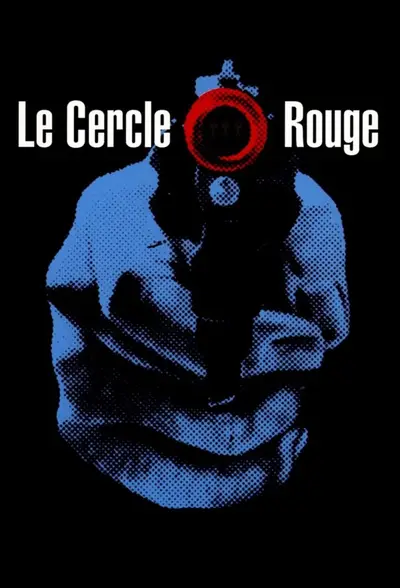
Melville has been explicit that Rififi is the film the French heist picture is measured against, and Le Cercle rouge answers it with the same central device. The jewellery robbery in the Place Vendome runs for roughly half an hour in near silence, with no dialogue and almost no score, which is the formal constraint Dassin invented in 1955 and which nobody had attempted at that length since. The rest is Melville's own: the fatalism, the raincoats, the professional courtesy between the police and the men they are hunting. What comes from Rififi is the proposition that the most gripping thing you can put on a screen is competent men working quietly.
Topkapi

Film · 1964

InfluenceHIGH

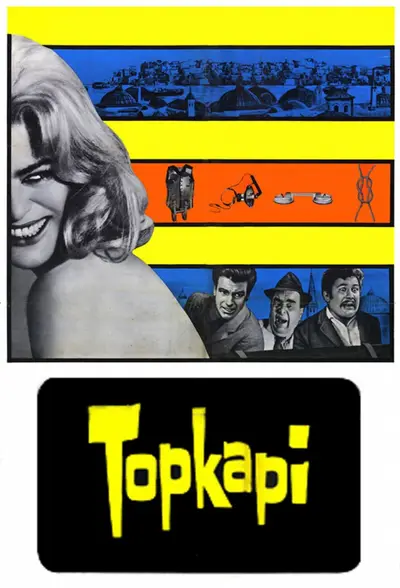
From the Turner Classic Movies discussion of Topkapi, which explicitly describes Topkapi as Dassin's return to the heist genre after Rififi. It identifies the climactic heist sequence as the major element carried over: both films stage the robbery with virtually no dialogue, using the mechanics of the theft itself to generate suspense. The BFI is even more explicit: it describes Topkapi as Dassin having “refined the heist movie in Rififi” and then deliberately taking the form in a different direction—away from noir and toward a lighter, colorful caper.

Mission: Impossible

Film · 1996

InfluenceMEDIUM

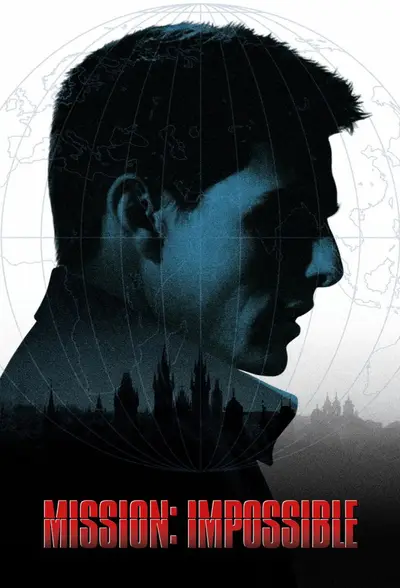
The Langley vault sequence, a silent break-in in which the thief is lowered on a wire and must not touch the floor or make a sound, is the set piece Rififi invented and Topkapi restaged in 1964. De Palma's version is the one most people have seen, and it is a descendant rather than a coincidence: the constraint, the silence and the suspended body are all the same.

What influenced Rififi

The works this one is recorded as drawing on.

The Asphalt Jungle

Film · 1950

InfluenceMEDIUM

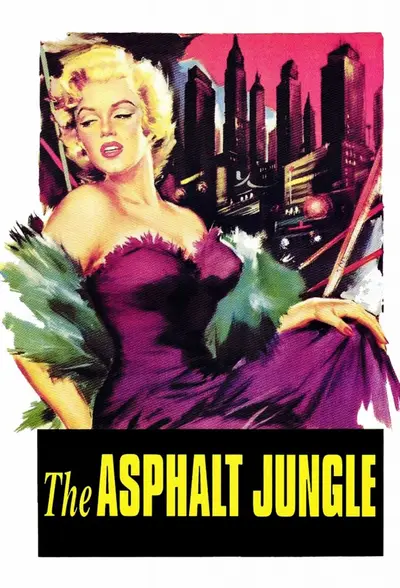
Huston's film invented the structure and Dassin filmed it five years later in Paris having been blacklisted out of Hollywood, where he had watched it being made. The shared template is now so standard it reads as genre: assemble specialists, show the plan, execute it in near silence, and then let the crew destroy itself over the split. Rififi keeps all of it and pushes the second beat to its limit with a thirty minute robbery sequence containing no dialogue and no music at all.

Du Rififi chez les hommes Rififi

Book · 1953

AdaptationMEDIUM

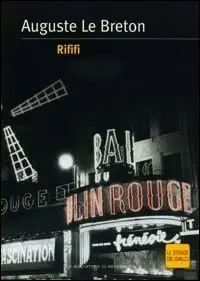
Book to movie adaptation. However : Dassin famously hated the Rififi book, particularly its heavy undertones of racism, so he completely altered the script. He took a very minor safe-cracking moment from the book and expanded it into the legendary, 30-minute silent heist sequence to give the film its center. He effectively invented his own masterpiece entirely in a vacuum

About the work

Rififi

Tony "le Saint-Étienne#Demographics" has served a five-year prison term for a jewel heist and is out on the street and down on his luck. His friend Jo approaches him about a smash-and-grab proposed by mutual friend Mario in which the threesome would cut the glass on a Parisian jeweler's front window in broad daylight and snatch some gems. Tony declines. He then learns that his old girlfriend, Mado, took up in his absence with gangster Parisian nightclub owner Pierre Grutter. Finding Mado working at Grutter's, Tony invites her back to his rundown flat. She is obviously well-kept, and Tony savagely beats her for being so deeply involved with Grutter. Tony changes his mind about the heist; he now accepts on the condition that rather than merely robbing the window, they will take on the more difficult but more lucrative task of robbing the store's safe. Mario suggests they employ the services of Italian compatriot César, a safecracker. The four devise and rehearse an ingenious plan to break into the store and disarm its sophisticated alarm system.