
Ari Folman named Slaughterhouse-Five, with Catch-22, as the books that shaped Waltz with Bashir more than any film had.
Book· 1969· Science Fiction
Slaughterhouse-Five: 1 recorded work traces back to it, and it draws on 2 recorded sources.
Works that record this one as a source, with the evidence a contributor gave.
Ari Folman named Slaughterhouse-Five, with Catch-22, as the books that shaped Waltz with Bashir more than any film had.
The works this one is recorded as drawing on.
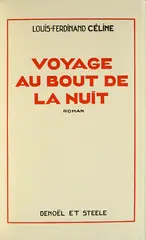
Kurt Vonnegut names Céline and Journey to the End of the Night in Slaughterhouse-Five's opening chapter, quoting it as he sets out to write his own book about a war.
Events, places, movements and ideas outside fiction that this work is recorded as drawing on.
Real world
Vonnegut was a prisoner of war held in a Dresden slaughterhouse, Schlachthof Fünf, and survived the Allied firebombing of February 1945 in its meat locker, which the novel turns into Billy Pilgrim's experience.