Book· 2018· Fantasy

Spinning Silver

by Naomi Novik

Spinning Silver: it draws on 3 recorded sources.

Open on the map

What influenced Spinning Silver

The works this one is recorded as drawing on.

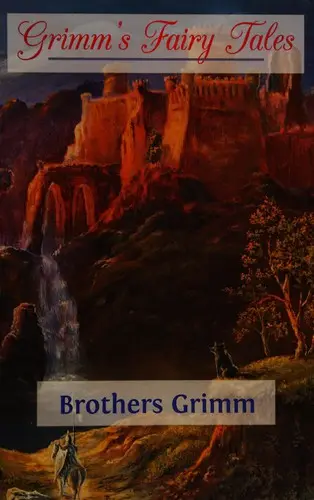
Grimms Märchen Grimms' fairy tales

Short Story · 1812

Reaction againstHIGH

Spinning Silver is Rumpelstiltskin argued with, and Rumpelstiltskin is tale 55 in the Grimms' collection. That is the text Naomi Novik is working from: a miller's daughter whose father's boast puts her in a locked room, and a small malevolent creature who spins straw into gold and then comes to collect. Novik keeps the bargain and changes who can make it. Miryem is a moneylender's daughter who really can turn silver into gold, by being good at her job and by being owed, and when the winter king arrives she negotiates rather than guesses his name. She has written about the antisemitism inside the original: a figure who lends at a price, is owed, and is destroyed for it, and what that figure stood in for in the villages the Grimms collected from. Her Miryem is Jewish, her family are the village's lenders, and the hostility they meet is the tale's own subtext made explicit. Recorded as a reaction rather than an influence because the book is a rebuttal of its source and not a retelling of it. The Staryk, the winter king who comes down the frozen road, is Slavic and Baltic rather than Grimm, which is why the real-world folklore edge stays where it is.

Grimms Märchen Grimms' fairy tales

Short Story · 1812

InfluenceHIGH

Naomi Novik's Spinning Silver grew from a retelling of Rumpelstiltskin, the Grimms' tale of a miller's daughter who boasts she can spin straw into gold. Novik turns it round: her heroine, a moneylender's daughter, turns silver into gold, and the bargain is struck with a king of winter.

Real-world influences

Events, places, movements and ideas outside fiction that this work is recorded as drawing on.

Mythology & Folklore

Real world

Real-world influenceHIGH
  • Rumpelstiltskin
  • Eastern European Jewish Folklore

Spinning Silver is Rumpelstiltskin argued with. In the tale a miller's daughter is claimed by a creature who spins straw into gold; Naomi Novik gives the claim to a moneylender's daughter who really can turn silver into gold, by being good at her job, and who then negotiates. Novik has written about the antisemitism inside the original: the small malevolent figure who lends at a price and is owed, and what that figure stood in for. Her Miryem is Jewish, her family are the village's lenders, and the hostility they meet is the tale's own subtext made explicit. The Staryk, the winter king who comes down the frozen road, comes from Slavic and Baltic folklore rather than from Grimm.

About the work

Spinning Silver

Will dark magic claim their home? Miryem is the daughter and granddaughter of moneylenders, but her father’s too kind-hearted to collect his debts. They face poverty, until Miryem hardens her own heart and takes up his work in their village. Her success creates rumours she can turn silver into gold, which attract the fairy king of winter himself. He sets her an impossible challenge – and if she fails, she’ll die. Yet if she triumphs, it may mean a fate worse than death. And in her desperate efforts to succeed, Miryem unwittingly spins a web which draws in the unhappy daughter of a lord. Irina’s father schemes to wed her to the tsar – he will pay any price to achieve this goal. However, the dashing tsar is not what he seems. And the secret he hides threatens to consume the lands of mortals and winter alike. Torn between deadly choices, Miryem and Irina embark on a quest that will take them to the limits of sacrifice, power and love. Naomi Novik has once again been influenced by classic folktales, following Uprooted - her standalone novel. Taking Rumpelstiltskin as her starting point, Spinning Silver is rich, original and a joy to read.