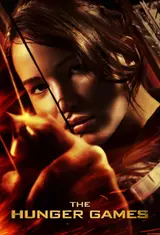
Direct Adaptation from the books
Book· 2008· Science Fiction
The Hunger Games: 2 recorded works trace back to it, and it draws on 3 recorded sources.
Works that record this one as a source, with the evidence a contributor gave.
Direct Adaptation from the books
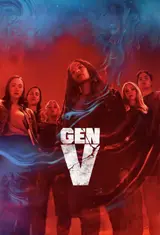
Eric Kripke first described Gen V as a Hunger Games-inspired series, young supes competing at a school that ranks them against each other.
The works this one is recorded as drawing on.
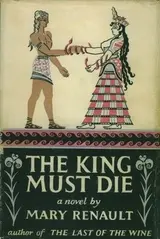
Suzanne Collins credited The King Must Die as an inspiration: youths chosen by lottery to perform in a deadly contest for an elite's entertainment.
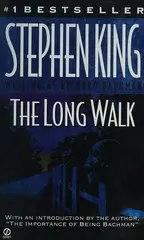
government-sanctioned contests where contestants are forced to participate in life-or-death situations
Events, places, movements and ideas outside fiction that this work is recorded as drawing on.
Real world
Suzanne Collins has named the myth of Theseus as the origin: Athens sending youths and maidens to the Minotaur as tribute. The nation's name, Panem, comes from the Roman phrase panem et circenses, bread and circuses.