Film· 2002· Drama

The Pianist

by Roman Polanski

The Pianist: it draws on 2 recorded sources.

Open on the map

What influenced The Pianist

The works this one is recorded as drawing on.

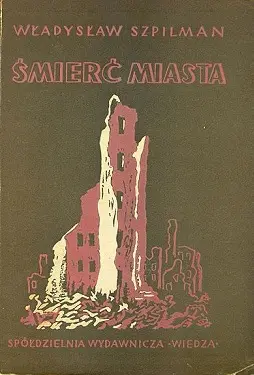
Śmierć miasta The Pianist

Nonfiction · 1946

AdaptationHIGH

Polanski's film of Władysław Szpilman's memoir, written in 1945 and published in 1946, then suppressed for decades and reissued in 1998. Polanski turned down Schindler's List and made this instead, and the reason is the adaptation's centre: he survived the Kraków ghetto as a child and wanted a film from inside the experience rather than about a rescuer. That is why the film refuses almost every consolation, and why Hosenfeld, the German officer who feeds Szpilman, is given no speech explaining himself. Palme d'Or, and Oscars for Polanski, Brody and the screenplay.
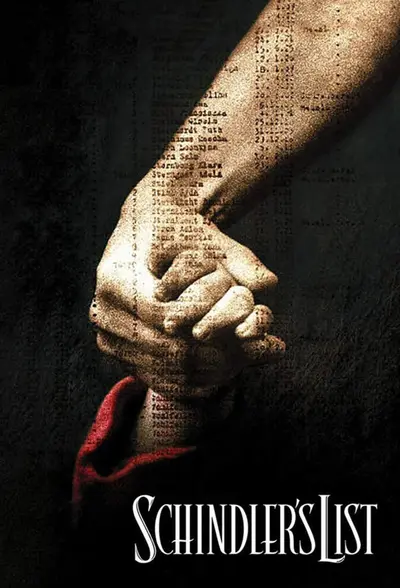
Schindler's List

Film · 1993

InfluenceMEDIUM

Spielberg offered Polanski Schindler's List and Polanski turned it down, saying it was too close to his own childhood in the Krakow ghetto. He made The Pianist instead, nine years later, from Szpilman's memoir. The relationship reads as a correction. Schindler's List is organised around a rescuer and gives the audience someone to travel with; The Pianist refuses one, and Hosenfeld is given no speech explaining why he helps. Spielberg's film ends in gratitude; Polanski's ends with a man who survived by hiding while everyone he knew did not. Filed MEDIUM: the refusal is documented and the correction is legible, but Polanski has framed it as a subject he had to reach himself rather than as an answer to Spielberg.

About the work

The Pianist

During WWII, acclaimed Polish musician Wladyslaw faces various struggles as he loses contact with his family. As the situation worsens, he hides in the ruins of Warsaw in order to survive. It is based on the autobiographical book The Pianist (1946), a memoir by the Polish-Jewish pianist, composer and Holocaust survivor Władysław Szpilman. The film was a co-production by France, the United Kingdom, Germany and Poland.