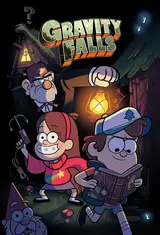
Hirsch cited The X-Files for Gravity Falls' monster-of-the-week mysteries and conspiracy, with the twins as young investigators of the paranormal.
TV Series· 1993· Science Fiction
by Chris Carter
The X-Files: 4 recorded works trace back to it, and it draws on 4 recorded sources.
Works that record this one as a source, with the evidence a contributor gave.
Hirsch cited The X-Files for Gravity Falls' monster-of-the-week mysteries and conspiracy, with the twins as young investigators of the paranormal.
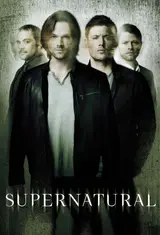
Eric Kripke pitched Supernatural as The X-Files meets Route 66, and modelled its early seasons on the early X-Files mix of standalone monster episodes and a running mythology; John Shiban, an X-Files writer-producer, was hired to help build that mythology.
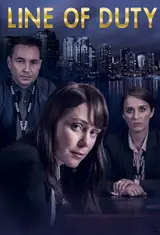
The composer of Line of Duty's theme credited the theme song of The X-Files as an inspiration. The theme music only, hence MEDIUM.
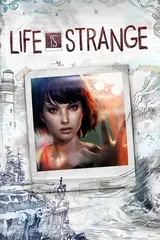
Michel Koch lists The X-Files among the teenage-years TV shows the writing team drew on. Named in a list, hence MEDIUM.
The works this one is recorded as drawing on.
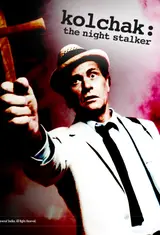
Chris Carter has said the show that inspired The X-Files was Kolchak: The Night Stalker, an investigator chasing a new monster each week against officials who cover it up; he cast Darren McGavin, Kolchak himself, as a retired FBI agent in two episodes.
The X-Files is recorded as inspired by The Twilight Zone, the anthology of the paranormal it often homages in its standalone episodes.
Twin Peaks is among the series The X-Files is usually traced to: an FBI agent investigating the uncanny in a small town, and a mythology carried across episodes. LOW because Chris Carter names Kolchak: The Night Stalker as his model first; Twin Peaks is the precedent rather than the source. David Duchovny played in both.
Events, places, movements and ideas outside fiction that this work is recorded as drawing on.
Real world
Chris Carter has said he grew up in the Watergate years, which left him distrustful of authority, and built the series on government conspiracy and cover-up.