Nonfiction· 1516· Philosophy

Utopia

by Thomas More

Utopia: 5 recorded works trace back to it, and it draws on 2 recorded sources.

Open on the map

What Utopia influenced

Works that record this one as a source, with the evidence a contributor gave.

Looking Backward

Book · 1888

InfluenceMEDIUM

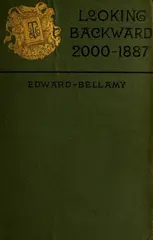
Bellamy's novel belongs to the genre More's book named: a traveller to an ideal society describes its institutions point by point, as a critique of his own. Looking Backward revived the form in the nineteenth century and set off a wave of utopian novels.
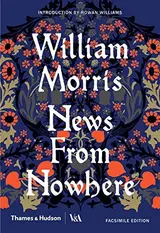

News from Nowhere

Book · 1890

InfluenceMEDIUM

William Morris printed More's Utopia at the Kelmscott Press in 1893 with his own foreword, and News from Nowhere is written in the form More founded: a visitor's account of a better commonwealth, used to judge the society at home.

Gulliver's Travels

Book · 1726

InfluenceMEDIUM

Swift read More, whom he admired, and the land of the Houyhnhnms in Book IV is a satirical utopia in More's manner: a traveller's sober report on a reasonable commonwealth that shows up his own country.

Ecotopia

Book · 1975

InfluenceLOW

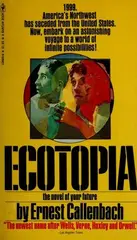
Callenbach's title is coined from More's word, and the book keeps More's form: a visitor reports on a separated, reorganised society, here an ecological one on the American West Coast. LOW: a debt of genre rather than of content.

What influenced Utopia

The works this one is recorded as drawing on.

Real-world influences

Events, places, movements and ideas outside fiction that this work is recorded as drawing on.

Politics & Society

Real world

Real-world influenceHIGH
  • Enclosure

Book One of More's Utopia attacks the enclosure of English common land for sheep farming, in the famous line that sheep now devour men, before Book Two describes the island as its opposite.

About the work

Utopia

Utopia is a work of fiction and socio-political satire by Thomas More (1478–1535), written in Latin and published in 1516 and revised in 1518. The book is a frame narrative primarily depicting a fictional island society and its religious, social and political customs. Many aspects of More's description of Utopia are reminiscent of life in monasteries.