Film· 1968· Science Fiction

2001: A Space Odyssey

by Stanley Kubrick

2001: A Space Odyssey: 6 recorded works trace back to it, and it draws on 2 recorded sources.

Open on the map

What 2001: A Space Odyssey influenced

Works that record this one as a source, with the evidence a contributor gave.

Interstellar

Film · 2014

InfluenceHIGH

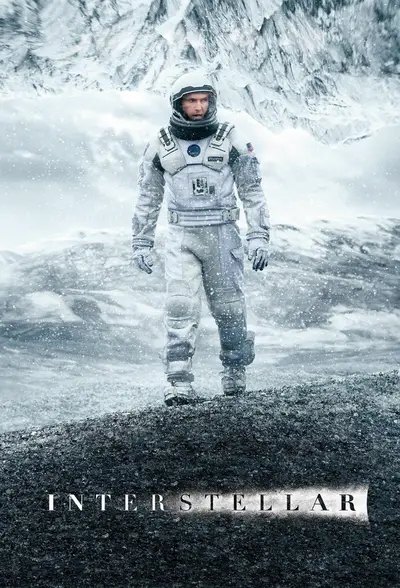
Nolan has named it as the reference throughout Interstellar's production, and the film answers it point by point:

  • TARS and CASE are written as the opposite of HAL 9000: plain-spoken, loyal, with a humour setting
  • The wormhole passage is shot as a successor to the star gate sequence
  • The tesseract ending puts a man in a constructed room outside time, as the hotel suite does
  • Both use silence in vacuum rather than scored space action, which was still unusual in 2014
Blade Runner

Film · 1982

InfluenceMEDIUM

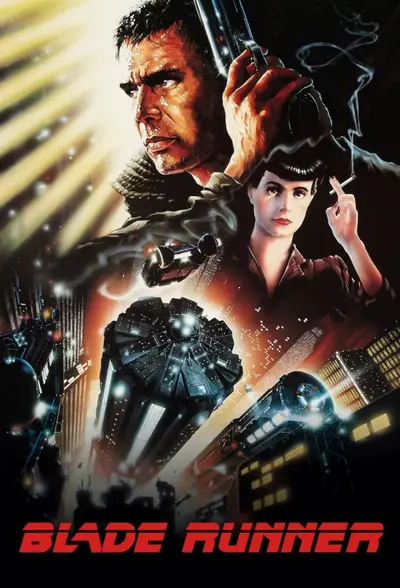
Scott has described 2001 as the film that raised the bar and, by his own account, made him want to work at that level of density. The debt is in the craft rather than the story: miniatures shot with long lenses and heavy atmosphere so the scale reads, interfaces that are diegetic and unexplained, and a pace that lets an audience look around a room. The graph already holds 2001 pointing at Alien on the same grounds; the Los Angeles of 2019 is the other end of the same design argument.

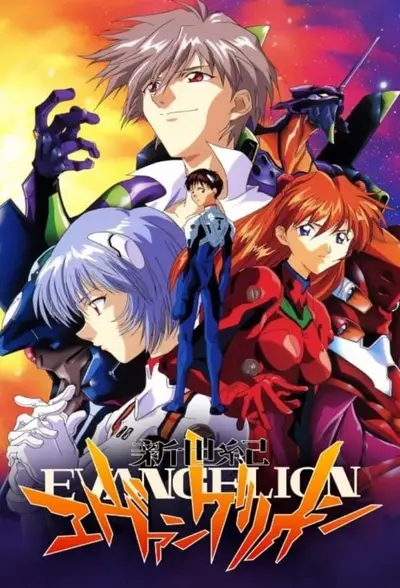
新世紀エヴァンゲリオン Neon Genesis Evangelion

Animated Series · 1995

InfluenceMEDIUM

Anno has been open about Kubrick, and the last act of Evangelion is where it stops being subtext: a sequence of abstract light and colour, a protagonist dissolved and remade, and a closing image of a new kind of being. The series also borrows 2001's willingness to stop the plot entirely for several minutes of contemplation, which is not a normal thing for a Sunday evening robot show to do. Filed MEDIUM. Anno's named sources are mostly Japanese, and this is one strand.

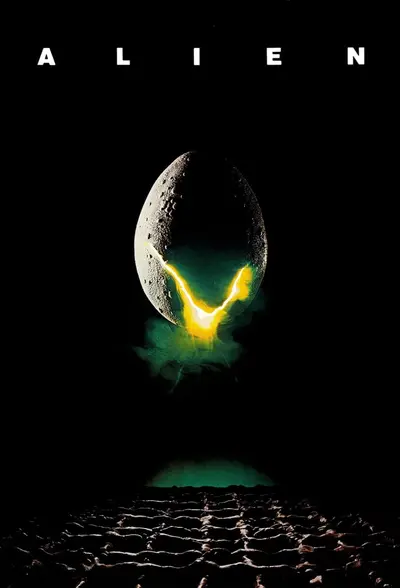
Alien

Film · 1979

InfluenceMEDIUM

2001 established the used, industrial spacecraft that Alien took as its starting point and then made shabby. Kubrick's ships are clean and corporate; Ridley Scott's Nostromo is the same design language after twenty years of wear, with crew who complain about shares rather than marvel at the void. The silent exteriors and the slow docking grammar carry over intact.

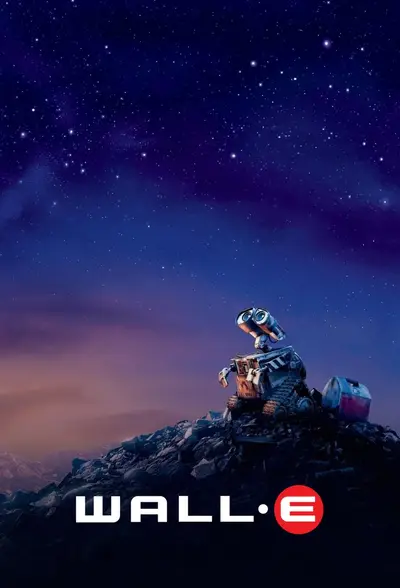
WALL-E

Animation · 2008

InfluenceMEDIUM

Andrew Stanton has discussed the debt directly, and the film quotes it twice without disguise:

  • The Axiom's autopilot turns on the crew exactly as HAL does, down to the single red eye
  • Also sprach Zarathustra plays as the captain stands upright for the first time
  • The first act is nearly wordless, which Stanton has attributed to watching silent film and 2001
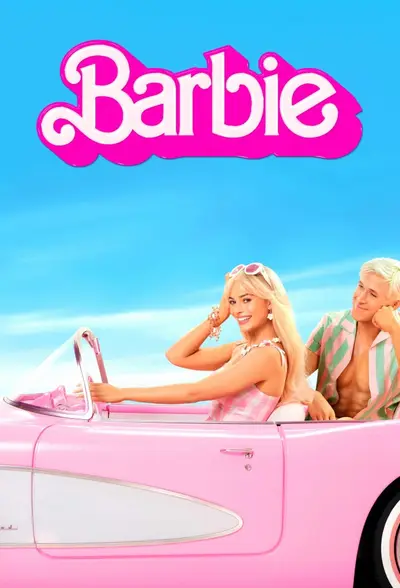
Barbie

Film · 2023

InfluenceLOW

Barbie opens with a shot-for-shot parody of the Dawn of Man sequence: small figures around a monolith that has appeared overnight, a slow low angle, Also sprach Zarathustra on the soundtrack, and a tool raised and brought down. The joke depends on the audience recognising it. Kubrick's monolith begins human history with a weapon; Gerwig's is a giant Barbie, and what the children smash is their old baby dolls. It is a single sequence rather than a structural debt, which is why this is weighted low, but it is the film's opening statement and it is quoted precisely.

What influenced 2001: A Space Odyssey

The works this one is recorded as drawing on.

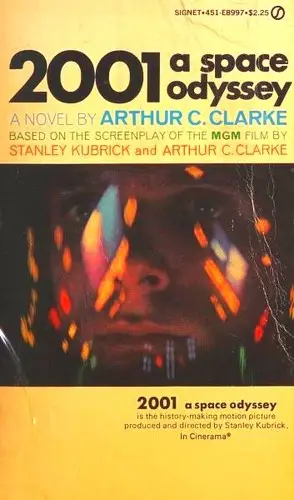
Space Odyssey

Book · 1968

AdaptationHIGH

Written alongside each other rather than one after the other. Clarke and Kubrick began in 1964 from Clarke's 1951 short story The Sentinel, and Clarke drafted the novel as the screenplay developed, with each feeding the other. The film premiered in April 1968; the novel was published a few months later. The arrow points from the book because that is where the material came from, not because of the dates. Clarke's prose came first and Kubrick shot from it. Where they differ is instructive: the novel explains everything, states plainly that the destination is Saturn and that Bowman passes through a star gate. The film explains nothing and goes to Jupiter because Saturn's rings could not be made convincing.

The Strauss tone poem that opens the film is named after the book, and Kubrick chose it knowing what it was quoting. The borrowing goes past the music: Nietzsche's ape, man and overman is exactly the film's three-part shape, from the bone thrown at the Dawn of Man to the Star Child looking back at Earth. Kubrick and Clarke both discussed the film as being about the step after the human one. https://en.wikipedia.org/wiki/Also_sprach_Zarathustra_(Strauss)

About the work

2001: A Space Odyssey

Set in the Space Odyssey universe.

When a mysterious artifact is uncovered on the Moon, a spacecraft manned by two scientists and one supercomputer is dispatched to Jupiter to find its origins. Its plot was inspired by several short stories optioned from Clarke, primarily "The Sentinel" (1951) and "Encounter in the Dawn" (1953). The film stars Keir Dullea, Gary Lockwood, William Sylvester, and Douglas Rain, and follows a voyage by astronauts, scientists, and the sentient supercomputer HAL 9000 to Jupiter to investigate an alien monolith.

Elsewhere in the Space Odyssey universe