Book· 1913· Literary

À la recherche du temps perdu (In Search of Lost Time)

by Marcel Proust

À la recherche du temps perdu (In Search of Lost Time): 1 recorded work traces back to it, and it draws on 3 recorded sources.

Open on the map

What À la recherche du temps perdu (In Search of Lost Time) influenced

Works that record this one as a source, with the evidence a contributor gave.

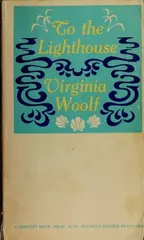
To the Lighthouse

Book · 1927

InfluenceLOW

Woolf read Proust while writing her novels of the 1920s and wrote in her diary and letters of her amazement at him; To the Lighthouse's long passages of consciousness, in which a moment of memory expands to fill pages, are commonly traced to that reading. LOW.

What influenced À la recherche du temps perdu (In Search of Lost Time)

The works this one is recorded as drawing on.

ألف ليلة وليلة

Short Story

InfluenceLOW

Proust returns to the Arabian Nights throughout the novel, and in Le Temps retrouvé the narrator imagines the book he means to write as long as the Thousand and One Nights, written at night against death as Scheherazade told her stories. LOW: a self-image, not a source.

Real-world influences

Events, places, movements and ideas outside fiction that this work is recorded as drawing on.

Personal Experiences

Real world

Real-world influenceHIGH
  • Illiers (Combray)

Combray is Illiers, the town near Chartres where Proust spent childhood holidays at his aunt's house; it was renamed Illiers-Combray in 1971 in honour of the novel.

About the work

À la recherche du temps perdu (In Search of Lost Time)

Through seven volumes, the narrator of In Search of Lost Time recounts his memories as they occur to him. An innocuous treat—say, a small cake paired with a cup of tea—may awaken memories buried deep within the narrator’s mind; memories cause more memories to surface. Like the cathedral builders of old, a whole life and the world around it are thus formed anew, slowly and methodically, by uniting pieces of the narrator’s life for the sake of the reader. This recollection takes us through the narrator’s childhood, weaving the social web his family finds itself entangled in, his first crush and coming of age, his gradual appreciation of art while finding his place into society, his hurtful obsession over a young woman, and, ultimately, the consolation that what had been lost in his youth can be regained. Firmly grounded in Modernism, In Search of Lost Time is not a work about memories but memory. By leading the reader in circles, sometimes on a glorious wild goose chase, Proust holds a mirror in front of the reader, sending us back to our own memories and experiences, no matter how pleasant or uncomfortable. By its very nature, it’s a difficult exercise about one of the defining features of humanity: our ability to manipulate time by recalling and, often, recreating it.