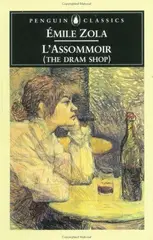
Zola planned his cycle in answer to Balzac, setting down in his notes the differences between them: one family followed through the Second Empire with heredity as the thread, where Balzac had painted a whole society with recurring characters.
Book· 1830· Literary
La Comédie humaine (The Human Comedy): 2 recorded works trace back to it, and it draws on 2 recorded sources.
Works that record this one as a source, with the evidence a contributor gave.
Zola planned his cycle in answer to Balzac, setting down in his notes the differences between them: one family followed through the Second Empire with heredity as the thread, where Balzac had painted a whole society with recurring characters.

Proust wrote pastiches of Balzac, discussed him at length in Contre Sainte-Beuve, and built his novel, like the Comédie humaine, on recurring characters seen across decades of French society; his characters read and argue about Balzac.
The works this one is recorded as drawing on.
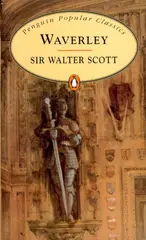
In the Avant-propos to La Comédie humaine Balzac named Walter Scott as the master who raised the novel to the philosophy of history, and set out to do for French society what Scott's novels had done for Scotland.
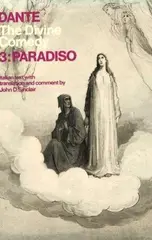
Balzac's title answers Dante's Divine Comedy: a human comedy of society in place of a divine one, as critics and Balzac's own circle described it.