BookSeries· 1984· Science Fiction

The Sprawl Trilogy

by William Gibson

The Sprawl Trilogy: 6 recorded works trace back to it, and it draws on 2 recorded sources.

Open on the map

What The Sprawl Trilogy influenced

Works that record this one as a source, with the evidence a contributor gave.

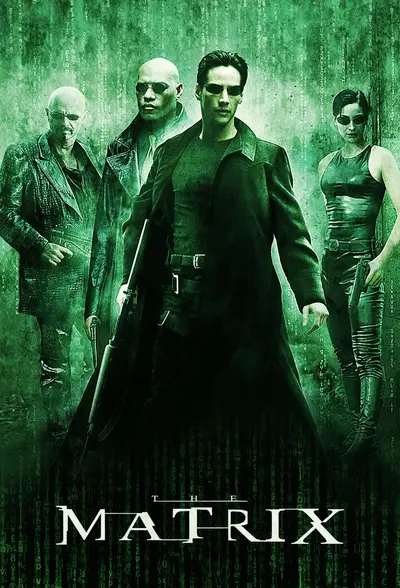
The Matrix

Film · 1999

InfluenceHIGH
  • Foundational influence: Neuromancer helped define the cyberpunk genre, establishing many of the ideas and aesthetics that became central to The Matrix.
  • Thematic influence: Both works explore artificial intelligence, virtual realities, the relationship between humans and machines, corporate control, and questions of identity and consciousness.
  • Worldbuilding influence: The Matrix adopts many cyberpunk conventions popularized by Neuromancer, including hackers as protagonists, omnipresent computer networks, dystopian megacorporate or machine-controlled societies, and high-tech, low-life environments. Although The Matrix's visual style was more directly influenced by works like Ghost in the Shell and Hong Kong action cinema, its dark urban cyberpunk aesthetic is consistent with the style popularized by Neuromancer.
  • Genre influence: The Matrix is widely regarded as one of the most influential cyberpunk films, adapting many of the genre conventions that Neuromancer helped establish for a mainstream audience.
Takeshi Kovacs

Book · 2002

InfluenceHIGH

Richard Morgan has named Gibson as the reason the book exists, and Altered Carbon is written from inside the form Neuromancer established rather than beside it. What it takes from the Sprawl:

  • The body as equipment. Gibson's Case is locked out of cyberspace by damaged nerves and the plot is buying his way back in; Morgan makes the whole body a replaceable sleeve and the plot is who can afford which one
  • Corporate power past the reach of any state, with the very rich effectively immortal
  • A burnt-out professional pulled back in by an employer who owns him for the duration
  • The prose register: hard-boiled detective voice moved into science fiction, which is Gibson's single most copied move

Filed HIGH, and the honest limit is that Morgan is extending a genre rather than reworking one book. He has been explicit that the genre is Gibson's.

攻殻機動隊 Ghost in the Shell

Manga · 1989

InfluenceMEDIUM

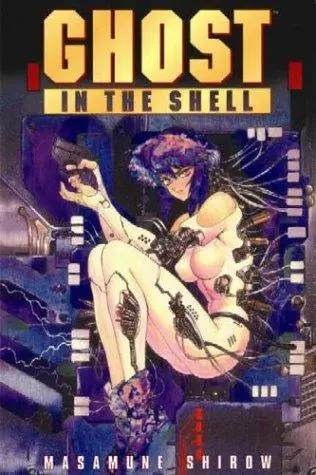
Shirow is working inside the world Gibson published five years earlier, and the vocabulary is shared down to the furniture: a net that people jack into directly, cyberised bodies bought and serviced like equipment, corporate power that outranks the state, and the question of what is left of a person when the brain is the only original part. Shirow's own contribution is the security state rather than the criminal margin. Gibson writes freelancers working against corporations; Section 9 is a government unit doing the same work from inside, which is what makes the manga a political procedural and not a heist. Filed MEDIUM: cyberpunk was a shared movement by 1989 and the debt is to the movement as much as to the one trilogy that defined it.

Burning Chrome

Short Story · 1986

Same universeMEDIUM

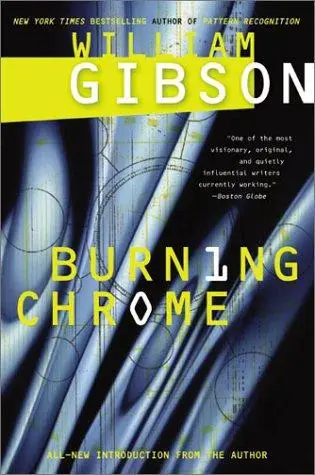
Several stories in Gibson's collection share the world of the Sprawl novels: "Johnny Mnemonic" introduces Molly Millions, who returns in Neuromancer, and "Burning Chrome" and "New Rose Hotel" are set in the same corporate future of cyberspace, Chiba City and hired killers. The story "Burning Chrome" first used the word cyberspace.

Hardwired

Book · 1986

InfluenceMEDIUM

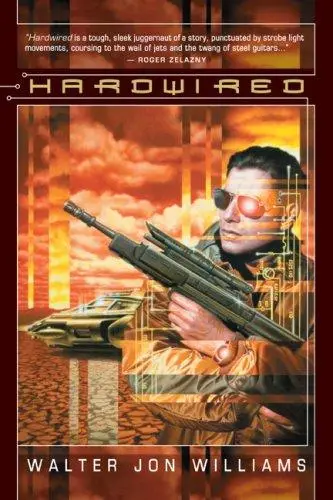
Walter Jon Williams wrote Hardwired in the wake of Neuromancer and has acknowledged the debt: a future of orbital corporations and a ruined Earth, a smuggler wired directly into his vehicle, and a woman with a weapon in her body. It is one of the first novels written inside the genre Gibson had just opened.

Johnny Mnemonic

Film · 1995

Same universeMEDIUM

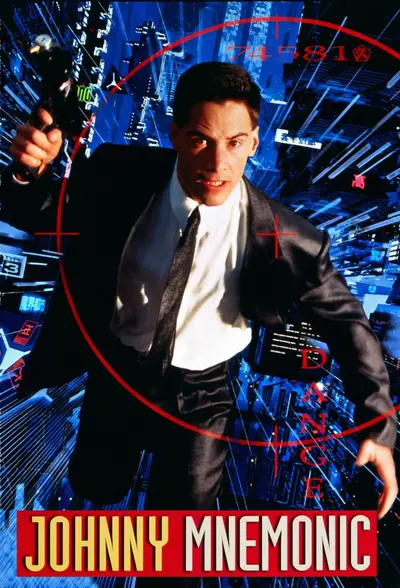
The film adapts Gibson's short story Johnny Mnemonic, set in the same world as the Sprawl novels (Molly Millions, of Neuromancer, is in the original story). Gibson wrote the screenplay.

What influenced The Sprawl Trilogy

The works this one is recorded as drawing on.

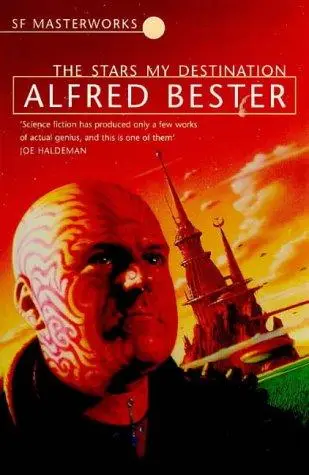
The Stars My Destination

Book · 1956

InfluenceHIGH

Gibson has named Bester's novel as a key text for what became cyberpunk, and the inheritance is both the plot and the prose. Gully Foyle is the template Case is cut from: a wrecked, uneducated man rebuilt by corporate money for a job he does not understand, moving through a solar system owned by family conglomerates. The style carries over too, the compressed sensory rush that describes technology by how it feels rather than how it works. The graph already holds Count of Monte Cristo pointing at Bester, which is the chain this completes: Dumas to Bester to Gibson.

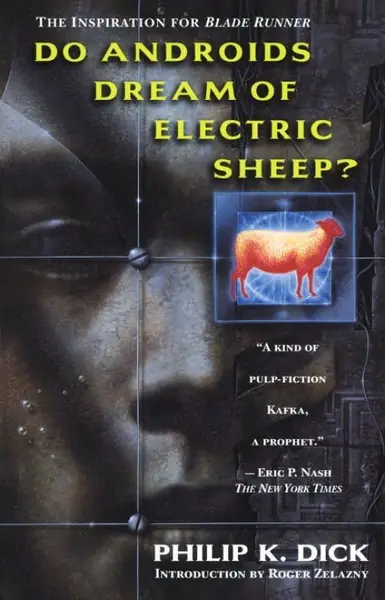
Do Androids Dream of Electric Sheep?

Book · 1968

InfluenceMEDIUM
  • Foundational influence: Philip K. Dick's Do Androids Dream of Electric Sheep? helped establish science fiction as a vehicle for exploring identity, consciousness, and the nature of reality, influencing the intellectual foundation of Neuromancer.
  • Thematic influence: Both works examine what defines humanity, the relationship between humans and artificial intelligence, and the reliability of perception, though Neuromancer explores these ideas through cyberspace and AI rather than androids.
  • Genre influence: Dick's psychologically and philosophically driven science fiction was an important precursor to cyberpunk, providing themes that Gibson expanded into a new genre centered on computers, networks, and corporate power.

About the work

The Sprawl Trilogy

This is a series.

The winner of the Hugo, Nebula, and Philip K. Dick Awards, Neuromancer was the first fully-realized glimpse of humankind’s digital future — a shocking vision that has challenged our assumptions about our technology and ourselves, reinvented the way we speak and think, and forever altered the landscape of our imaginations. Henry Dorsett Case was the sharpest data-thief in the business, until vengeful former employees crippled his nervous system. But now a new and very mysterious employer recruits him for a last-chance run. The target: an unthinkably powerful artificial intelligence orbiting Earth in service of the sinister Tessier-Ashpool business clan. With a dead man riding shotgun and Molly, mirror-eyed street-samurai, to watch his back, Case embarks on an adventure that ups the ante on an entire genre of fiction. Hotwired to the leading edges of art and technology, Neuromancer is a cyberpunk, science fiction masterpiece — a classic that ranks with 1984 and Brave New World as one of the twentieth century’s most potent visions of the future.

Everything in The Sprawl Trilogy