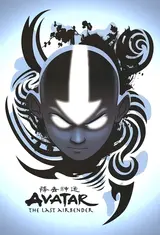
Michael Dante DiMartino and Bryan Konietzko have named Cowboy Bebop among the anime that shaped Avatar: its mix of episodic adventure and a larger arc, its fight choreography, and its blend of comedy and melancholy.
Animated Series· 1998· Science Fiction
by 渡辺信一郎 Shin'ichirō Watanabe
カウボーイビバップ (Cowboy Bebop): 4 recorded works trace back to it, and it draws on 3 recorded sources.
Works that record this one as a source, with the evidence a contributor gave.
Michael Dante DiMartino and Bryan Konietzko have named Cowboy Bebop among the anime that shaped Avatar: its mix of episodic adventure and a larger arc, its fight choreography, and its blend of comedy and melancholy.
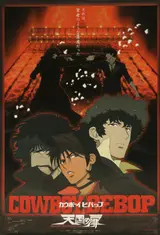
Cowboy Bebop: The Movie is set during the series, with the Bebop crew, by the same director, Shinichirō Watanabe.
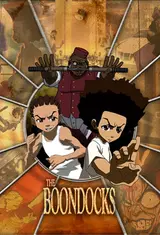
Aaron McGruder cites Cowboy Bebop, with Samurai Champloo, as a source for The Boondocks' fight scenes. No specific scene is traced, hence LOW.
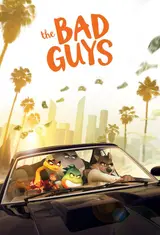
Perifel named Cowboy Bebop, with Miyazaki and Dragon Ball, among the anime behind The Bad Guys' look and its jazzy, stylised action.
The works this one is recorded as drawing on.
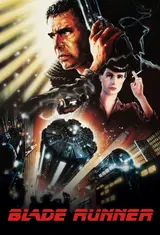
Shinichiro Watanabe has named it among the show's sources, and it is the look that came across: a lived-in future of rain, neon and street food where the technology is old and repaired rather than gleaming, and the city is crowded with people who are not the story. Bebop puts a jazz score over it where Scott used Vangelis, which changes the mood without changing the world.
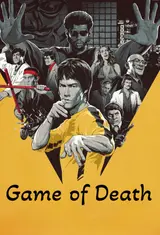
The episode "Stray Dog Strut" pays homage to Game of Death: its villain is named Abdul Hakim, after Kareem Abdul-Jabbar's character, and drawn to look like him.
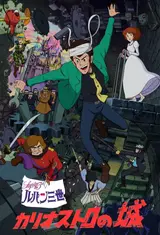
Shinichirō Watanabe has named Lupin III among Cowboy Bebop's models, a jazz-scored crew of charming outlaws always short of money.