Musical· 1928· Satire / Farce

Die Dreigroschenoper (The Threepenny Opera)

by Bertolt Brecht, Elisabeth Hauptmann

Die Dreigroschenoper (The Threepenny Opera): 1 recorded work traces back to it, and it draws on 1 recorded source.

Open on the map

What Die Dreigroschenoper (The Threepenny Opera) influenced

Works that record this one as a source, with the evidence a contributor gave.

Cabaret

Musical · 1966

InfluenceMEDIUM

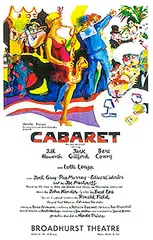
Hal Prince wanted Cabaret's score to evoke the Berlin of Kurt Weill and Lotte Lenya, and cast Lenya, the original Jenny of The Threepenny Opera, as Fräulein Schneider; the Emcee's numbers commenting on the action from outside the story follow Brecht and Weill's method.
What influenced Die Dreigroschenoper (The Threepenny Opera)

The works this one is recorded as drawing on.

About the work

Die Dreigroschenoper (The Threepenny Opera)

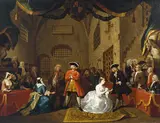
The Threepenny Opera is a 1928 German "play with music" by Bertolt Brecht, adapted from a translation by Elisabeth Hauptmann of John Gay's 18th-century English ballad opera The Beggar's Opera, and four ballads by François Villon, with music by Kurt Weill. Although there is debate as to how much contribution Hauptmann might have made to the libretto, Brecht is usually listed as sole author and Hauptmann as the sole translator, which was probably an unfair oversimplification typical of the time.