Book· 1897· Horror

Dracula

by Bram Stoker

Dracula: 7 recorded works trace back to it, and it draws on 1 recorded source.

Open on the map

What Dracula influenced

Works that record this one as a source, with the evidence a contributor gave.

Dracula

Play · 1924

AdaptationHIGH

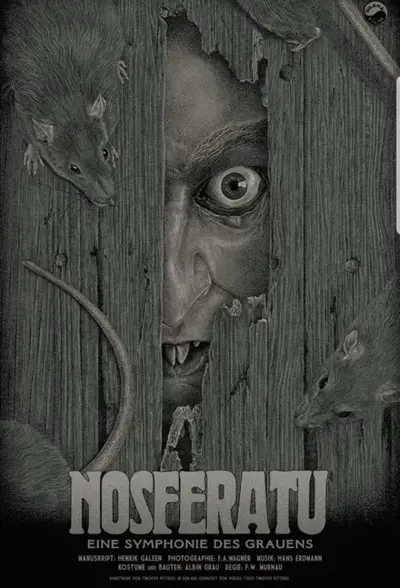
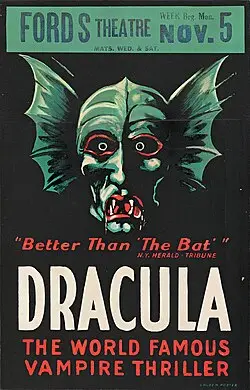
The first authorized adaptation of the novel, and the reason there was one at all: Florence Stoker had just sued Nosferatu out of existence for adapting her husband's book without permission, and Hamilton Deane's play is what she licensed instead. It toured England from 1924 and reached the Little Theatre in London in July 1927. What Deane did to the novel is most of what later audiences think Dracula is:

  • The epistolary structure goes, and with it the sense of a story assembled from documents by people who never quite see the whole
  • Transylvania goes, along with roughly the book's entire second half
  • Renfield rather than Jonathan Harker is the one who made the journey, so the asylum becomes the centre of the plot instead of a subplot
  • The Count acquires evening dress and drawing-room manners, because one set and a cast of nine is what a touring production could carry

John L. Balderston rewrote it for Broadway in 1927, where the Count was played by Bela Lugosi in his first major English-speaking role.
Bram Stoker's Dracula

Film · 1992

AdaptationHIGH

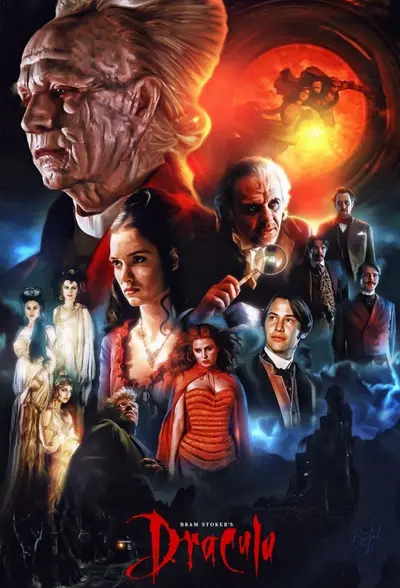
Coppola's film puts the author's name in the title as a claim of fidelity, and it is the adaptation that restores the novel's epistolary structure: journals, letters, phonograph cylinders and newspaper cuttings, handed between characters who each know only part of it. It also adds the one large thing the novel does not contain, a reincarnated love between Dracula and Mina that reframes him as tragic. The effects were made in camera wherever possible, with forced perspective and reverse filming, which is why the film looks unlike anything made beside it.

'Salem's Lot

Book · 1975

InfluenceHIGH

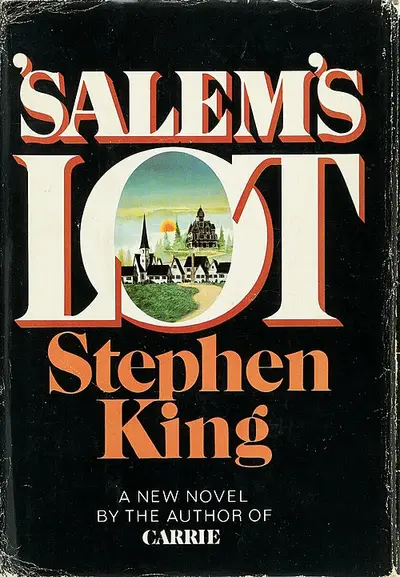
King has described the premise as a question he set himself while teaching Dracula to a high school class: what would happen if the Count arrived in rural twentieth century America rather than in Victorian London. The answer he wrote keeps Stoker's architecture and moves it. Barlow arrives by sea freight as Dracula does; Ben Mears is the outsider who writes everything down; Matt Burke is the teacher who is believed too late. What changes is the town, which in Stoker resists the vampire and in King is already hollow enough to be taken without a fight.

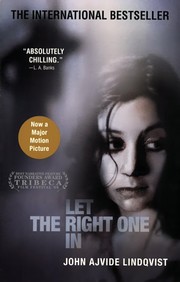
Stoker codified the rules this novel obeys and then inverts, and between two NOVELS the claim is checkable in a way it never was between Stoker and a Swedish film:

  • A vampire cannot cross a threshold uninvited, which supplies the book its title and its most famous scene
  • It needs a living helper for daylight business, which is Renfield's function and Håkan's
  • Blood is fed on rather than drunk socially, and the feeding is staged as violence rather than seduction

What Ajvide Lindqvist changes is the register. Stoker's count is an aristocratic invader of a confident empire; Eli is a child in a 1981 Stockholm housing estate, and the horror is domestic, cold and largely about loneliness. Filed MEDIUM: the debt is to the tradition Stoker fixed rather than to a stated reading

Interview with the Vampire

Film · 1994

InfluenceMEDIUM

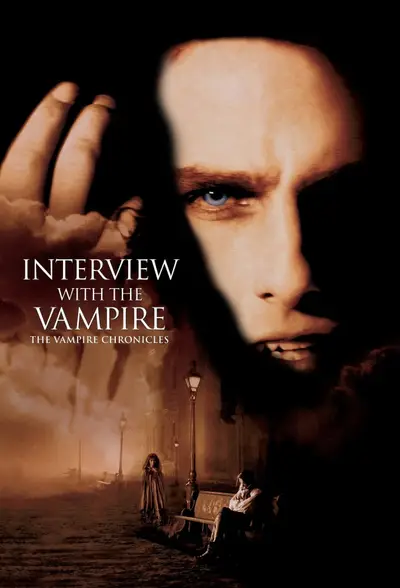
Anne Rice's novel, which this film adapts, is written against Stoker's, and the film keeps the argument. Stoker's Dracula is seen only from outside, through the documents of the people hunting him, and is never given an interior life. Interview with the Vampire is the same creature narrating: a vampire who explains what it is like, at length, to a journalist with a tape recorder. Both works use the testimony format, and that is the direct inheritance. What Rice adds is the point of view, and the film is built entirely on it.

Dracula

Film · 1931

AdaptationMEDIUM

The Universal film, adapted via the 1924 Deane and Balderston stage play rather than straight from the novel, which is why it drops the ship, the asylum sequences and most of the last act. It is the version that fixed the count's evening dress, accent and manner in popular memory, none of which is in the book.

What influenced Dracula

The works this one is recorded as drawing on.

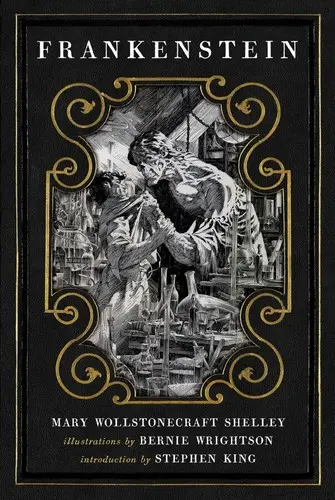
Frankenstein

Book · 1818

InfluenceLOW

Both books are assembled from documents rather than narrated: Shelley's nested letters and confessions, Stoker's journals, telegrams, ship's logs and newspaper clippings. The effect is the same one, which is to make the impossible thing arrive as evidence. Shared beyond the form: a monster made articulate and pitiable, a learned man who becomes the monster's proper opponent, and a pursuit that ends far from where it began. LOW. Stoker did not cite Shelley, and the nearer models for Dracula were Le Fanu's Carmilla and Collins's use of multiple testimonies. This is a part of the gothic style lineage.

About the work

Dracula

The narrative is related through letters, diary entries, and newspaper articles. It has no single protagonist and opens with English solicitor Jonathan Harker taking a business trip to stay at the castle of a Transylvanian nobleman, Count Dracula. Revealing his true nature as a vampire, Dracula moves to England and plagues the seaside town of Whitby. Harker joins a group led by Abraham Van Helsing who hunt and kill the Count.