BookSeries· 1957· Fantasy

Fafhrd and the Gray Mouser

by Fritz Leiber

Fafhrd and the Gray Mouser: 4 recorded works trace back to it.

Open on the map

What Fafhrd and the Gray Mouser influenced

Works that record this one as a source, with the evidence a contributor gave.

DnD, D&D

Tabletop RPG · 1974

InfluenceHIGH

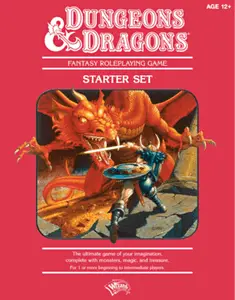
Leiber is in Appendix N and the debt is unusually concrete for that list:

  • The thief class is the Gray Mouser. A lightly armoured specialist who solves by stealth rather than by combat did not exist in the 1974 rules and arrives in Greyhawk the following year
  • The pairing of a big northern barbarian with a small city rogue is the party's original shape, and Leiber invented it
  • Lankhmar is the model for the fantasy city as a dungeon: guilds, patrons, jobs, and a thieves' guild that must be negotiated with

TSR licensed Lankhmar outright and published Leiber's world as an official setting from 1976, which is the acknowledgement in contractual form. Leiber also coined the term sword and sorcery, the genre label the game was built to sit inside.

Discworld

Book · 1983

InfluenceHIGH

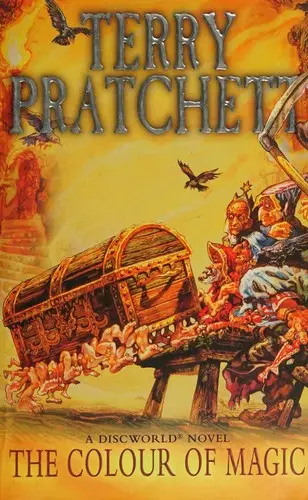
The Colour of Magic opens by parodying Leiber directly. Bravd and the Weasel, the two adventurers watching Ankh-Morpork burn in the first chapter, are Fafhrd and the Gray Mouser, a large barbarian and a small sly one, named closely enough that the joke only works if you know them. The city is the larger debt. Ankh-Morpork is Lankhmar rebuilt for comedy: a corrupt, ancient, river-split metropolis run by guilds and a patrician, where the Thieves' Guild is a licensed profession with paperwork. Pratchett began Discworld as a parody of the genre and picked the two writers most worth parodying, Leiber and Howard.

Gentleman Bastard Sequence

Book · 2013

InfluenceHIGH

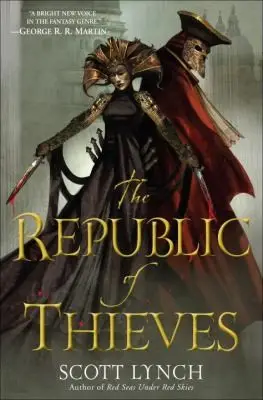
Scott Lynch has named Leiber as the writer he is working from, and the books show it before he says it. Camorr is Lankhmar: a wet, stratified, canal-cut city with a thieves' guild that is a real institution, gods with functioning temples, and an underworld that has rules and enforces them. Locke and Jean are Fafhrd and the Gray Mouser with the proportions kept, the small clever one and the large one, working as a pair, taking jobs rather than quests. The whole sub-genre of the caper fantasy descends from Leiber, which is what makes this a foundational claim rather than a resemblance.

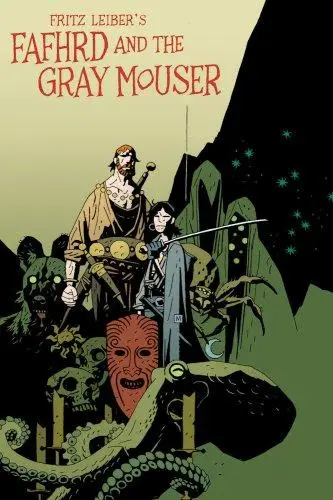
Fafhrd and the Gray Mouser

Comic · 2007

AdaptationHIGH

Fafhrd and the Gray Mouser is a comic book adaptation of the classic sword-and-sorcery fantasy stories and novels written by Fritz Leiber. Source Material: It adapts famous tales by Leiber, including the award-winning story "Ill Met in Lankhmar," which explains how the barbarian Fafhrd and the rogue Gray Mouser first meet.

About the work

Fafhrd and the Gray Mouser

This is a series.

Fafhrd is a tall, strong northern warrior, while the Gray Mouser is a smaller and more cautious swordsman with experience in thievery and magic. Their contrasting personalities form the central dynamic of the series. The stories commonly take place in the city of Lankhmar and the surrounding regions, where the two protagonists work as mercenaries, thieves, explorers, and occasional wanderers. Their activities bring them into contact with sorcerers, supernatural beings, rival adventurers, criminals, monsters, and various political and religious powers. Their motivations are often practical rather than heroic, involving money, survival, curiosity, revenge, or personal loyalties. Leiber began publishing stories about the characters in 1939, and continued developing them over several decades. The series is associated with the development of modern sword-and-sorcery fiction, particularly through its combination of adventure, humor, urban settings, magic, and flawed protagonists. Unlike more traditional heroic fantasy, Fafhrd and the Gray Mouser are frequently motivated by self-interest and make decisions that lead to unintended consequences. The series became an important literary reference for later fantasy role-playing games, including Dungeons & Dragons. Its influence can be seen in the idea of a small group of adventurers with different skills undertaking dangerous journeys, exploring ruins and cities, encountering monsters and supernatural forces, and pursuing treasure or other personal objectives.
Everything in Fafhrd and the Gray Mouser