Tabletop RPG· 1974· Role-Playing

DnD, D&D

by Gary Gyrax, David Lance Arneson

DnD, D&D: 10 recorded works trace back to it, and it draws on 17 recorded sources.

Open on the map

What DnD, D&D influenced

Works that record this one as a source, with the evidence a contributor gave.

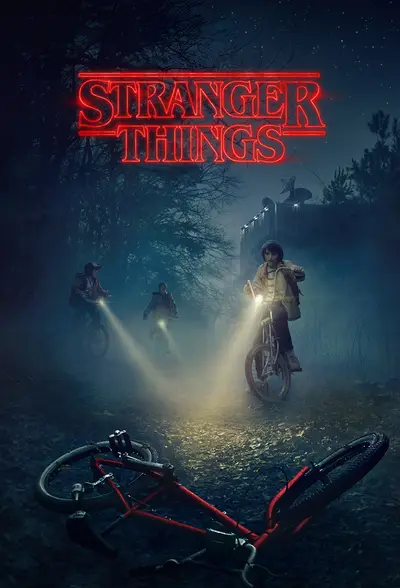
Stranger Things

TV Series · 2016

InfluenceHIGH

The Duffer Brothers have explicitly described D&D as one of the show's major inspirations.

  • The kids' party structure → Mike, Dustin, Lucas, Will, etc. each fill different "party" roles.
  • The Upside Down adventure structure → essentially treated like a gigantic D&D campaign.
  • Monster naming → Demogorgon, Mind Flayer, Vecna.
  • Vecna himself → directly borrowed from the D&D villain.
  • How the kids understand supernatural events → they use D&D monsters as analogies for things they don't understand.
  • Dungeon Master mentality → the Duffers have compared the writers to DMs, throwing increasingly difficult challenges at their characters.
  • Character archetypes → the kids' D&D roles reflect their personalities in the real world.

The Duffers actually described Stranger Things as being like a massive D&D campaign where the role-playing takes over their lives.
Baldur's Gate

Video Game · 1998

AdaptationHIGH

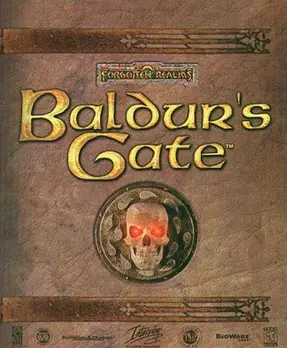
Baldur's Gate is licensed Advanced Dungeons & Dragons, running the 2nd Edition rules as its engine, and that is the whole reason it plays the way it does. What is literally the tabletop game: THAC0 and armour class, the six ability scores, the class and level structure, spells memorised per day (Vance's mechanic, arriving by way of Gygax), saving throws, and the Forgotten Realms as the setting, with Baldur's Gate, Candlekeep and the Sword Coast taken from published campaign material. Filed HIGH because the debt is not thematic. BioWare's real invention was the pause-and-issue-orders interface that let a turn-based rulebook run in real time, and everything it was running was somebody else's rulebook.

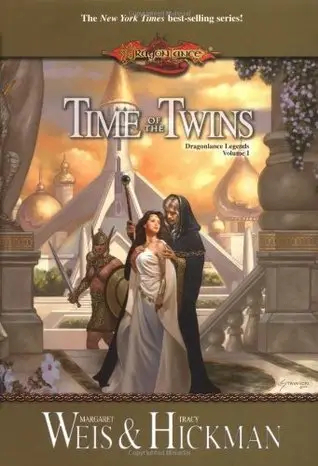
Dragonlance Chronicles

Book · 1984

InfluenceHIGH

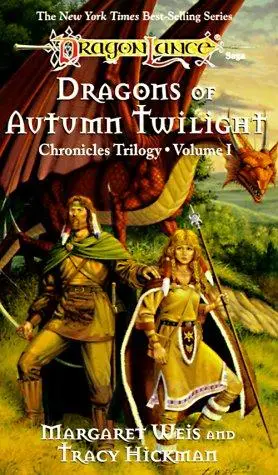
As direct as this relationship gets: the novels were written by TSR employees to accompany a D&D campaign setting, and the plot follows the published adventure modules. Weis and Hickman played the campaign as they wrote it. The party is a character sheet made legible: a warrior, a cleric who has lost her faith, a failing mage, a kender thief. Krynn's magic obeys the game's rules, including memorised spells that leave the caster once used. Filed influence rather than adaptation deliberately. There is no single prior work being retold: the game supplies the world and the rules, the novels supply the story.

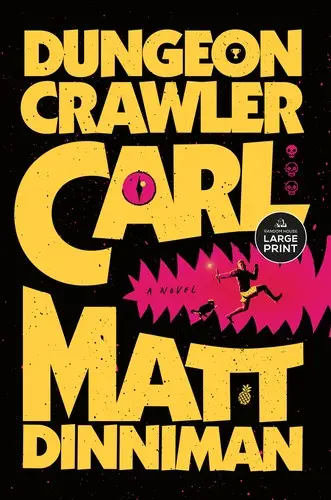
Dungeon Crawler Carl

Book · 2020

InfluenceHIGH

The whole LitRPG form is D&D's grandchild and Dinniman's novel does not disguise it. Character sheets, levels, loot tables and a dungeon that goes down in floors are printed on the page as mechanics rather than described as magic. What Carl adds is the joke underneath: the dungeon is a televised game show, so the rules exist because somebody is watching, which is the one thing a tabletop session never has to explain.

Dragonlance: Legends Trilogy

Book · 1986

InfluenceHIGH

This is the closest thing to a direct line in the tabletop cluster: Dragonlance is a D&D campaign setting, and the novels were written by the people who designed it. Weis and Hickman built Krynn as TSR modules first and then wrote the books that go with them, from a campaign they were running. Raistlin's magic obeys the game's Vancian rules, the dragons follow its colour taxonomy, and the party is a party.

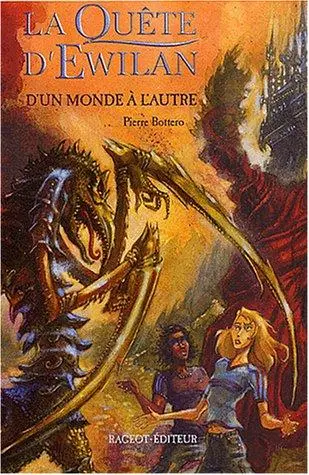
La quête d'Ewilan Ewilan's Quest

Book · 2003

InfluenceMEDIUM

In a November 2007 interview with Fantastinet, Bottero says that he had played role-playing games, “surtout Donjons et Dragons” (EN :especially DnD), and that he wrote scenarios for D&D. He then explains what this experience taught him: “la scénarisation des jeux de rôles exige de rendre cohérentes ses histoires, et diriger une partie m’a appris à faire oublier le monde extérieur à mes joueurs” In other words, he connects RPGs to two things particularly relevant to his fiction:

  • constructing coherent stories
  • immersing people in an invented world

In a 2009 interview with Lecture Jeune, Bottero says: “Étudiant, j’ai découvert les jeux de rôles, dont Donjons et Dragons, et cela a contribué à ma « formation » d’écrivain.” (En : As a student I discovered RPG's, including DnD and it contributed to my development as a writer) He then explains that, as a game master, he directed players and created situations using his imagination. Crucially, he continues by saying that he thinks this experience can be connected to his writing of Ewilan: “Je pense qu’on peut relier cette expérience avec l’écriture d’Ewilan” (En: I think that we can tie this experience with my writing of Ewilan)

Ultima

Video Game · 1981

InfluenceMEDIUM

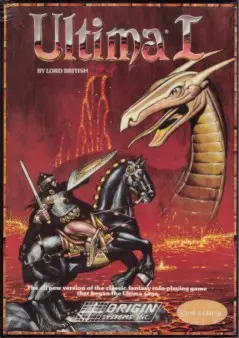
Richard Garriott played D&D as a schoolboy and wrote his first games to reproduce it on a computer. Akalabeth, the 1980 predecessor, is a dungeon crawl with hit points, armour classes and a bestiary of the game's monsters under other names. What Ultima carries over: levels and experience, class and race choice, hit dice, a top-down world with dungeons set into it, and a dungeon master's world simulated in code. MEDIUM rather than HIGH because the specific debt is to the tabletop hobby broadly, and Garriott's own account also credits Tolkien and his father's Apple II. The line from the table to the screen is not in dispute; which rulebook, slightly.

The Riftwar Saga

Book · 1982

InfluenceMEDIUM

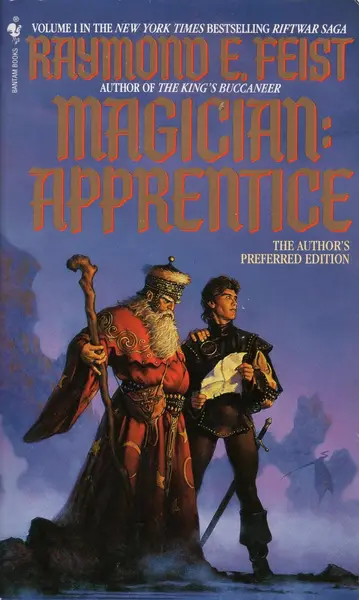
Raymond E. Feist's Midkemia began as a homebrew role-playing campaign world, created by a group of friends at the University of California, San Diego, in the wake of Dungeons & Dragons. Feist built Magician on that world. The official Raymond E. Feist site quotes Feist explaining that around 1975, he joined a game being played by friends in an apartment near UCSD. He says Midkemia began as a collection of dungeons and gradually developed into a connected world with cities, geography, and increasingly elaborate world-building.

Final Fantasy

Video Game · 1987

InfluenceMEDIUM

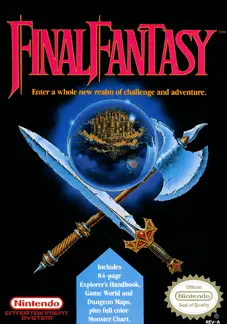
Hironobu Sakaguchi has named Dungeons & Dragons, along with Wizardry and Ultima, as what he was working from, and the first game reads as a translation of a tabletop party into a console. Four characters with chosen classes, hit points, a spell list bought in advance and spent per level, and a random-encounter overworld that is a dungeon master rolling. Black Mage and White Mage are the cleric-and-magic-user pair with the serial numbers filed off.

What influenced DnD, D&D

The works this one is recorded as drawing on.

Phoenix on the Sword

Short Story · 1932

InfluenceHIGH

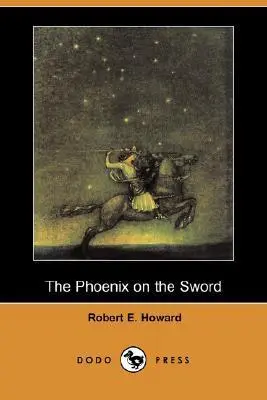
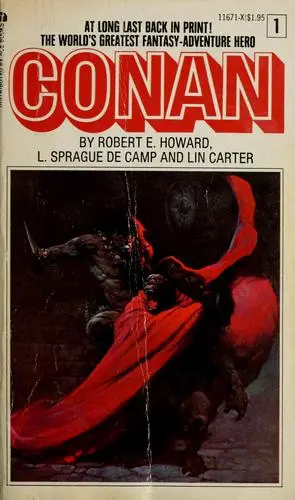
Gygax put Robert E. Howard in Appendix N, the reading list printed in the 1979 Dungeon Master's Guide, and named him among the authors of "immediate influence". The Phoenix on the Sword is the first Conan story, published in Weird Tales in December 1932. What Howard supplies:

  • The fighting man as a viable protagonist without magic, which is the fighter class and the reason D&D is not only a game about wizards. Gygax has said the fighter was built to be Conan
  • The adventuring premise itself: a wandering outsider entering ruins and cities for treasure, with no kingdom to defend and no destiny to fulfil
  • A world of fallen empires with usable ruins in them, rather than a stable setting
  • Sorcery as something dangerous and other, practised by people the heroes fight rather than by the heroes

Gygax also named the thief class as Howard's and Leiber's, and the Hyborian Age as the model for a campaign world assembled from historical analogues.

The Dying Earth

Book · 1950

InfluenceHIGH

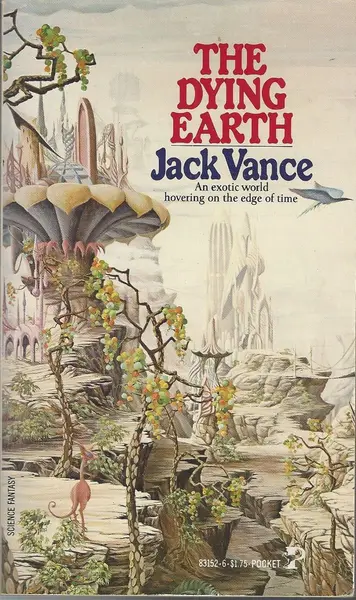
Vance's magic system IS D&D's magic system, to the point that the mechanic is still called Vancian casting by everybody who plays it. A wizard memorises a fixed set of spells, the words physically occupy the mind and are forgotten the instant they are spoken, so the morning's preparation decides what is possible all day and the spell is gone once used. Nothing in folklore or in earlier fantasy works that way. It is Vance's invention, taken whole. Gygax named The Dying Earth in Appendix N, the reading list printed in the 1979 Dungeon Master's Guide, and said so repeatedly afterwards. Individual Vance spells survive by name in the rules, including prismatic spray, from his Excellent Prismatic Spray. The eccentric, scheming, self-interested magicians of the Dying Earth stories came across with the mechanic. Vance supplied the D&D wizard as a character type, not only as a spell list.

The Hobbit

Book · 1937

InfluenceHIGH

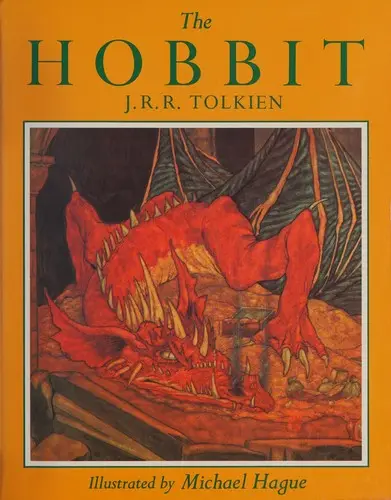
Gygax spent years downplaying Tolkien's importance to the game, and the paperwork disagrees with him. The 1974 rules use hobbits, ents and balrogs by name; the Tolkien Estate objected, and TSR renamed them halflings, treants and the balor. All three words are still in the game, and each one is a scar left by a legal letter. Beyond the names, the debt is the premise the whole hobby rests on: a mixed party of races travelling together on a long expedition to a dungeon, which is The Hobbit's plot and was not a standard fantasy shape before it. Pointed at The Hobbit rather than at The Lord of the Rings, which the graph already holds separately. The Hobbit is the one with a burglar hired by a party, an underground expedition, and a dragon on a hoard.

Fafhrd and the Gray Mouser

Book · 1957

InfluenceHIGH

Leiber is in Appendix N and the debt is unusually concrete for that list:

  • The thief class is the Gray Mouser. A lightly armoured specialist who solves by stealth rather than by combat did not exist in the 1974 rules and arrives in Greyhawk the following year
  • The pairing of a big northern barbarian with a small city rogue is the party's original shape, and Leiber invented it
  • Lankhmar is the model for the fantasy city as a dungeon: guilds, patrons, jobs, and a thieves' guild that must be negotiated with

TSR licensed Lankhmar outright and published Leiber's world as an official setting from 1976, which is the acknowledgement in contractual form. Leiber also coined the term sword and sorcery, the genre label the game was built to sit inside.

Elric saga

Book · 1965

InfluenceHIGH

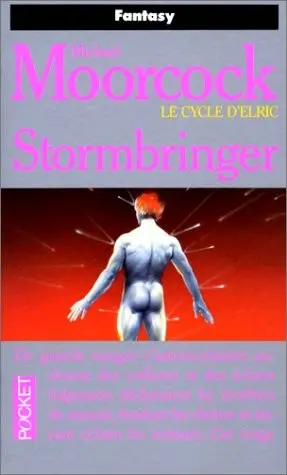
Gygax listed Moorcock in Appendix N, and the borrowing is in the rules rather than the flavour. The Law and Chaos axis of D&D alignment is Moorcock's cosmology, taken up by way of Poul Anderson, which the graph already holds as a source here. The original 1976 Deities & Demigods printed the Melnibonean mythos outright, with Elric and Stormbringer statted, until Chaosium's licence forced its removal from later printings. That removal is the citation: you do not have to withdraw something you did not use.

Conan The Barbarian

Book · 1967

InfluenceHIGH

Howard is named in Appendix N and the debt shows in what the game assumes a hero is:

  • A wandering adventurer with no lord, no land and a reason to enter a ruin
  • Treasure as the actual goal, which is where experience points came from before combat
  • Sorcery as something dangerous and other, practised by the enemy rather than the party
  • A pseudo-historical world of fallen empires, which is Hyboria's structure and Greyhawk's
Chainmail

Tabletop RPG · 1971

InfluenceHIGH

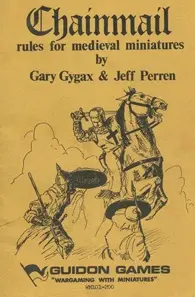
Gary Gygax and Jeff Perren's medieval miniatures wargame provided the combat rules that became the mechanical foundation of D&D. Dave Arneson then used Chainmail in his Blackmoor campaign, adding individual characters and ongoing roleplaying. Gygax later said Arneson's campaign was the inspiration from which he created the D&D rules.

The Lord of the Rings

Book · 1954

InfluenceHIGH

Inspired by : Hobbits/halflings, orcs, ents, dwarves, elves, fantasy races and other creatures . Early D&D's balor is essentially an adaptation of the Tolkien-style Balrog concept, while avoiding the protected name.

The broken sword

Book · 1954

InfluenceMEDIUM

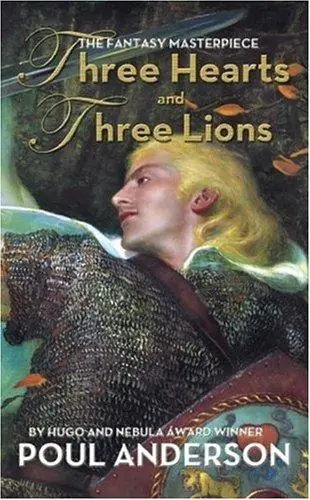
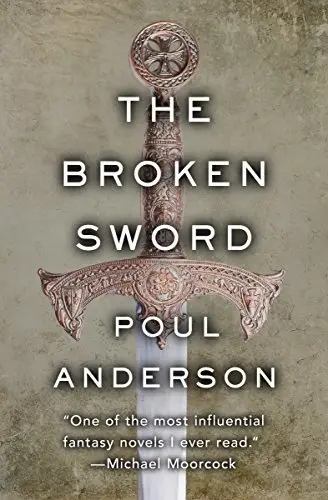
Gary Gygax lists it in Appendix N of the 1979 Advanced Dungeons & Dragons Dungeon Master's Guide, his published list of the fiction that shaped the game. Poul Anderson is listed for three books, The Broken Sword among them. Its cold, amoral elves and trolls, drawn from Norse saga rather than from Tolkien, fed the game's darker picture of the fey. ​Law vs. Chaos: Anderson's core worldview (developed in Three Hearts and Three Lions and The Broken Sword) directly birthed D&D's entire Alignment System.

The Call of Cthulhu

Short Story · 1928

InfluenceMEDIUM

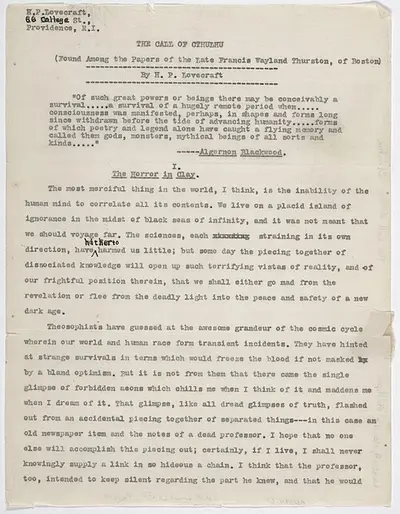
Gary Gygax lists it in Appendix N of the 1979 Advanced Dungeons & Dragons Dungeon Master's Guide, his published list of the fiction that shaped the game. Lovecraft is on it, and the debt went further than a reading list: Deities & Demigods (1980) printed the Cthulhu Mythos, with Cthulhu among its entries, as one of the game's pantheons.

Barsoom

Book · 1912

InfluenceLOW

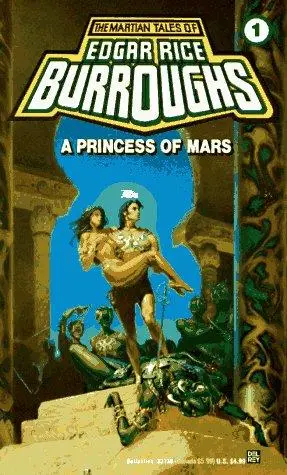
Gary Gygax lists it in Appendix N of the 1979 Advanced Dungeons & Dragons Dungeon Master's Guide, his published list of the fiction that shaped the game. Burroughs appears as "Pellucidar series; Mars series; Venus series". Barsoom's sword-and-planet adventure, a swordsman hero among alien races and ruined cities, is part of the pulp tradition the game drew its tone from.

World of Tiers

Book · 1965

InfluenceLOW

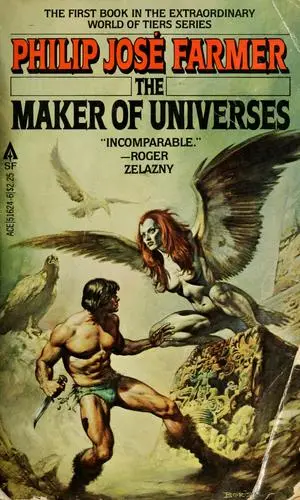
Gary Gygax lists it in Appendix N of the 1979 Advanced Dungeons & Dragons Dungeon Master's Guide, his published list of the fiction that shaped the game. Philip José Farmer is listed for "The World of the Tiers series". Its pocket universes, made by godlike Lords and linked by gates, are one of the sources for the game's idea of separate planes reached through portals.

The chronicles of Amber

Book · 1972

InfluenceLOW

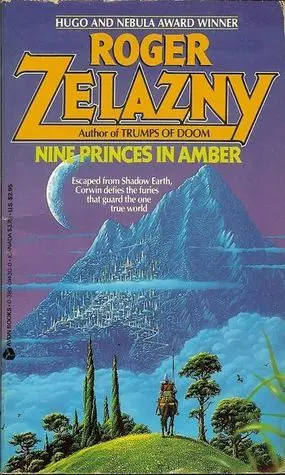
Gary Gygax lists it in Appendix N of the 1979 Advanced Dungeons & Dragons Dungeon Master's Guide, his published list of the fiction that shaped the game. Roger Zelazny is listed for the Amber series, whose true world casting countless Shadows beneath it, walked between by those who know how, belongs to the same multiverse thinking that shaped the game's planes.

The king of Elfland's daughter

Book · 1924

InfluenceLOW

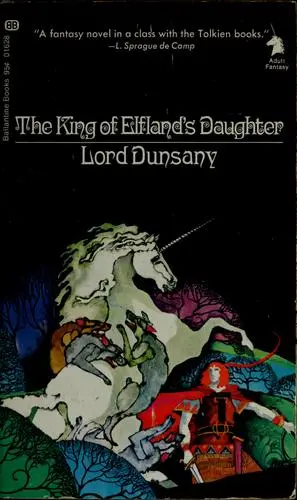
Gary Gygax lists it in Appendix N of the 1979 Advanced Dungeons & Dragons Dungeon Master's Guide, his published list of the fiction that shaped the game. Lord Dunsany is on it, and The King of Elfland's Daughter is the book of his that set the pattern for a perilous faerie realm lying just past the edge of the known fields, where time runs differently.

Real-world influences

Events, places, movements and ideas outside fiction that this work is recorded as drawing on.

Mythology & Folklore

Real world

Real-world influenceHIGH
  • Medieval Folklore

Inspired by the medieval folklore : Dragons, faeries, undead, demons, witches, etc.

Mythology & Folklore

Real world

Real-world influenceHIGH
  • Greek mythology

Inspired by the Greek Mythology Monsters : Medusa, minotaur, hydra, centaurs, etc.

About the work

DnD, D&D

Set in the Dungeons & Dragons universe.

Dungeons & Dragons (commonly abbreviated as D&D or DnD)[2] is a fantasy tabletop role-playing game (TTRPG) originally created and designed by Gary Gygax and Dave Arneson. The game was first published in 1974 by Tactical Studies Rules (TSR). It has been published by Wizards of the Coast, later a subsidiary of Hasbro, since 1997. The game was derived from miniature wargames, with a variation of the 1971 game Chainmail serving as the initial rule system. D&D's publication is commonly recognized as the beginning of modern role-playing games and the role-playing game industry, which also deeply influenced video games, especially the role-playing video game genre. Since you read this until the end, here is the free available first edition of the 1974 original guide book, happy geeking ;) : https://archive.org/details/dndbook1