Poetry· 1835· Fantasy

Kalevala

by Elias Lönnrot

Kalevala: 2 recorded works trace back to it, and it draws on 1 recorded source.

Open on the map

What Kalevala influenced

Works that record this one as a source, with the evidence a contributor gave.

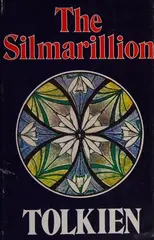
The Silmarillion

Book · 1977

InfluenceHIGH

Tolkien read the Kalevala in Finnish as a student and began retelling its Kullervo cycle in 1914, the first of his legends. Kullervo, the doomed son who unknowingly seduces his sister and dies by his own sword, became Túrin Turambar, and Tolkien said the Kalevala set him on the road to making a mythology of his own.
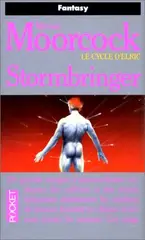
Elric saga

Book · 1965

InfluenceLOW

Michael Moorcock's Elric is counted among the Kalevala's descendants: the doomed albino prince drew on Kullervo, the epic's cursed and self-destroying hero (Kalevala reception history).

Real-world influences

Events, places, movements and ideas outside fiction that this work is recorded as drawing on.

Mythology & Folklore

Real world

Real-world influenceHIGH
  • Finnish mythology (Kalevala)

Elias Lönnrot compiled the Kalevala from Finnish and Karelian folk poetry he collected from rune singers on his field trips.

About the work

Kalevala

The Kalevala is a 19th-century compilation of epic poetry, compiled by Elias Lönnrot from Finnish, Karelian and Ingrian folklore and mythology, telling a story about the Creation of the Earth, describing the controversies and retaliatory voyages between the peoples of the land of Kalevala called Väinölä and the land of Pohjola and their various protagonists and antagonists, as well as the construction and robbery of the mythical wealth-making machine Sampo.