Book· 1977· Fantasy

The Silmarillion

by J.R.R. Tolkien, Christopher Tolkien

The Silmarillion: it draws on 4 recorded sources.

Open on the map

What influenced The Silmarillion

The works this one is recorded as drawing on.

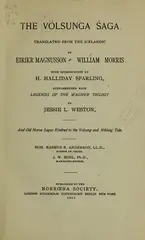
The Volsunga Saga

Book · 1270

InfluenceHIGH

Tolkien was a professional philologist working on exactly this material, and the Silmarillion takes its architecture from it: a cursed treasure that destroys everyone who holds it, a dragon guarding hoard and speaking with its victim, a hero who kills that dragon from below, and a family destroyed across generations by an oath. Túrin Turambar is Sigurd crossed with Kullervo, and Tolkien said so;
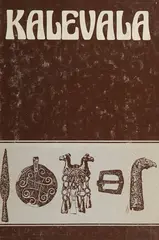

Kalevala

Poetry · 1835

InfluenceHIGH

Tolkien read the Kalevala in Finnish as a student and began retelling its Kullervo cycle in 1914, the first of his legends. Kullervo, the doomed son who unknowingly seduces his sister and dies by his own sword, became Túrin Turambar, and Tolkien said the Kalevala set him on the road to making a mythology of his own.

Real-world influences

Events, places, movements and ideas outside fiction that this work is recorded as drawing on.

Mythology & Folklore

Real world

Real-world influenceHIGH
  • Finnish mythology (Kalevala)
  • Norse mythology

Tolkien set out to write a mythology for England, and the story of Túrin Turambar is his reworking of Kullervo from the Finnish Kalevala, which he had first retold as a student.