Book· 1980· Historical

Maus

by Art Spiegelman

Maus: 2 recorded works trace back to it, and it draws on 1 recorded source.

Open on the map

What Maus influenced

Works that record this one as a source, with the evidence a contributor gave.

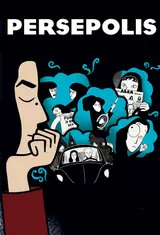
Persepolis

Animation · 2007

InfluenceHIGH

Satrapi has said reading Maus is what showed her that comics could carry this, and that she decided to tell her own story after it. The inheritance is specific: black and white with no tonal shading, a child's eye on a catastrophe, and a frame in which the author as an adult is questioning the past rather than reporting it. Spiegelman drew the Shoah through a son interviewing his father; Satrapi drew the Iranian revolution through a girl and her grandmother.
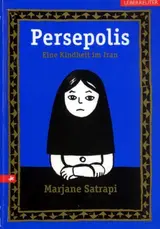
Persepolis

Comic · 2000

InfluenceHIGH

Marjane Satrapi has said that reading Art Spiegelman's Maus showed her a comic could tell a family's history and a political catastrophe, and led her to tell her own story the same way, in stark black and white.

Real-world influences

Events, places, movements and ideas outside fiction that this work is recorded as drawing on.

Personal Experiences

Real world

Real-world influenceHIGH
  • Family history
  • Trauma & healing

Art Spiegelman recorded his father Vladek's account of surviving Auschwitz and drew it with Jews as mice, alongside his own difficult relationship with his father as they made the book.

About the work

Maus

It depicts Spiegelman interviewing his father about his experiences as a Polish Jew and Holocaust survivor. The work employs postmodern techniques and represents Jews as mice, Germans as cats and Poles as pigs. Critics have classified Maus as memoir, biography, history, fiction, autobiography, or a mix of genres. In 1992, it became the first graphic novel to win a Pulitzer Prize.