BookSeries· 1719· Adventure

Robinson Crusoe

by Daniel Defoe

Robinson Crusoe: 6 recorded works trace back to it, and it draws on 1 recorded source.

Open on the map

What Robinson Crusoe influenced

Works that record this one as a source, with the evidence a contributor gave.

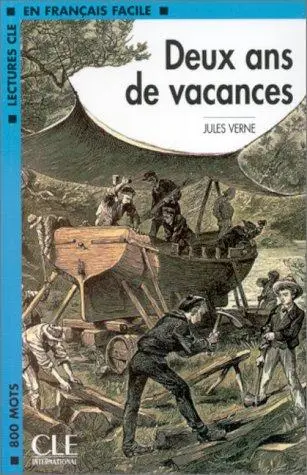
Verne names Defoe in his own preface. He opens Two Years' Vacation by saying that many Robinsonades have been written, that he has written one himself already, and that what remained to be done was a Robinsonade with children in it and no adults at all. So the book is constructed as an answer to a form it names:

  • Castaways on an uninhabited island, with the story made out of the work of surviving there
  • Inventory and method as the actual content: shelter, fire, food, mapping, a calendar
  • Time measured in years rather than scenes, so competence accumulates
  • Rescue as the ending rather than the escape being the plot

Verne's change is the one the preface promises: fifteen schoolboys and nobody in charge, which turns the practical problem into a political one and is why the book is read alongside Lord of the Flies.
The Mysterious Island is Verne's deliberate scientific rewrite of Robinson Crusoe, and the book says so from inside: the castaways call their settlement Granite House and repeatedly compare themselves to Crusoe, favourably, because they have an engineer. The form is Defoe's:

  • Men thrown onto an unknown island with nothing
  • The plot is the work: shelter, fire, pottery, iron, nitroglycerine, a telegraph
  • A companion acquired rather than arrived with (Ayrton, found on a neighbouring island, which is the Friday position rewritten as a rescue from savagery of a different kind)

Verne's argument is the difference. Crusoe survives by providence and salvage from the wreck; Cyrus Smith survives by knowing chemistry, and the novel is a case for the nineteenth century over the eighteenth.

Swallows and Amazons

Book · 1930

InfluenceHIGH
  • Inspired the idea of children creating their own world of survival and adventure away from adults, similar to Crusoe's self-reliance on his island.
  • Adapted the Robinsonade tradition by replacing a deserted island with the English Lake District, where children explore, camp, sail, and manage their own "island" experiences.
  • Retains themes of resourcefulness, independence, exploration, and practical skills, showing young characters solving problems using their own abilities.
  • Ransome transformed Crusoe's solitary survival story into a childhood adventure focused on imagination, teamwork, and outdoor exploration.
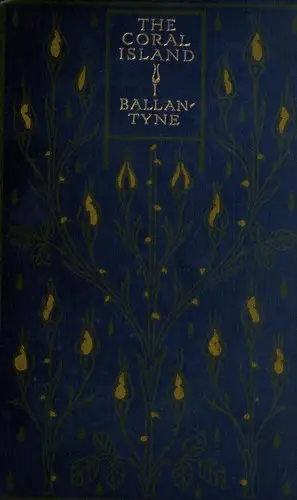
The Coral Island

Book · 1858

InfluenceHIGH
  • Adopts the castaway survival premise of Robinson Crusoe, with stranded protagonists learning to survive on a remote tropical island.
  • Expands Defoe's focus on self-reliance by emphasizing cooperation, friendship, and teamwork among three boys instead of a lone survivor.
  • Retains themes of resourcefulness, exploration, and perseverance in an unfamiliar natural environment.
  • Is widely regarded as a Robinsonade—an adventure novel directly inspired by and continuing the literary tradition established by Robinson Crusoe.
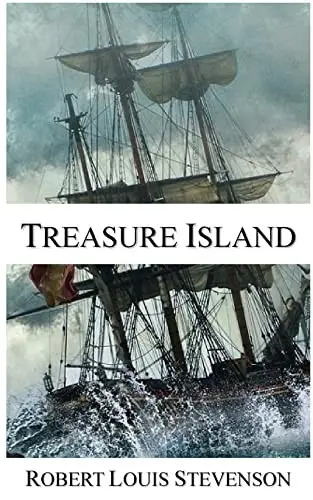
Treasure Island

Book · 1883

InfluenceMEDIUM

Ben Gunn is a Crusoe: marooned three years, half mad from solitude, dressed in goatskins and fixated on cheese, and he is the island's resident expert on surviving it. Stevenson is putting the castaway inside an adventure story rather than building one around him. Filed MEDIUM and not higher because Stevenson's own acknowledgements point elsewhere. His dedication verse names Kingston, Ballantyne and Fenimore Cooper, and he credited Poe's The Gold-Bug for the treasure map and Washington Irving for Billy Bones. Defoe is the genre's foundation rather than a cited model, and a moderator who wants only stated influences should weigh that.

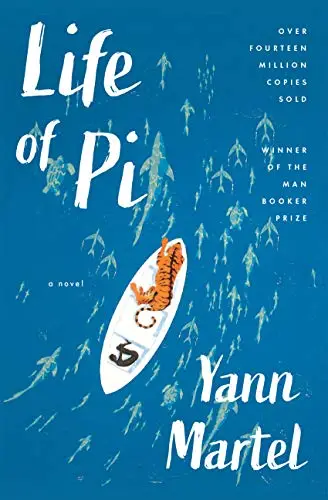
Life of Pi

Book · 2001

InfluenceMEDIUM

Martel is writing inside the form Defoe invented and takes its conventions seriously enough to itemise them: the inventory of salvaged supplies, the daily log, the rationing of water, the improvised shelter, the slow acquisition of competence. The theological frame is Defoe's too, since Crusoe reads his survival as providence and Pi's whole book is an argument about which story about God you choose to believe. The graph already holds Max e os Felinos here, which is the specific source; this is the tradition it sits in.

Real-world influences

Events, places, movements and ideas outside fiction that this work is recorded as drawing on.

Nature & Animals

Real world

Real-world influenceHIGH
  • Islands
  • Wilderness survival

Defoe drew on the true story of Alexander Selkirk, marooned for four years on a Pacific island, for a novel whose substance is survival: shelter, crops, goats and a castaway learning to live from the island.