Book· 1883· Adventure

Treasure Island

by Robert Louis Stevenson

Treasure Island: 7 recorded works trace back to it, and it draws on 3 recorded sources.

Open on the map

What Treasure Island influenced

Works that record this one as a source, with the evidence a contributor gave.

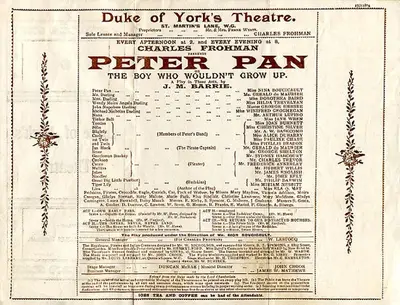
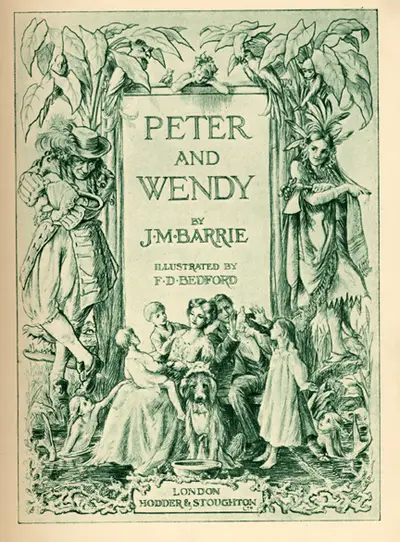
Peter and Wendy

Book · 1911

InfluenceHIGH

The debt is written into Barrie's text, which is rare enough to earn the HIGH:

  • Hook is described as having been Blackbeard's bo'sun, and the only man Long John Silver ever feared. Barrie is naming Stevenson's character inside his own book
  • Hook's crew includes Smee and Starkey, and the pirate ship, the dread of the black spot and the marooning are all Stevenson's furniture
  • Barrie knew Stevenson by correspondence and admired him openly

Neverland's pirates are not generic pirates. They are Treasure Island's pirates, moved into a nursery story and made funny enough to survive there.
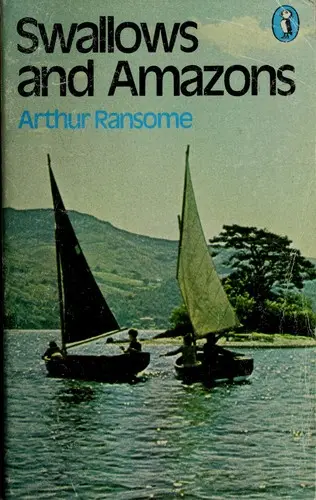
Swallows and Amazons

Book · 1930

InfluenceHIGH
  • Island adventure framework: Treasure Island inspired Swallows and Amazons by providing the model of an island as a place for exploration, discovery, and youthful adventure.
  • Pirate and treasure lore: Ransome drew on Stevenson's pirate mythology—maps, islands, ships, and make-believe piracy—which the children enthusiastically incorporate into their imaginative games.
  • Spirit of adventure: Rather than adapting Stevenson's plot, Ransome borrowed its sense of independence, courage, and exploration, translating it into a realistic story of children creating their own adventures outdoors.
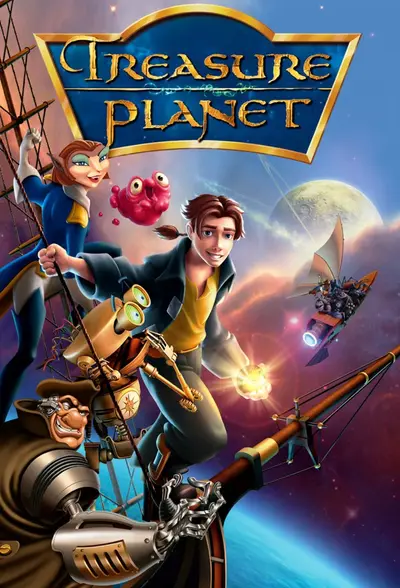
Treasure Planet

Animation · 2002

InfluenceHIGH

Treasure Island served as the direct inspiration for Disney’s animated film Treasure Planet: John Musker and Ron Clements pitched the idea as "Treasure Island in space". The animated film translates traditional 18th-century nautical elements into futuristic, sci-fi worldbuilding.

Black Sails

TV Series · 2014

InfluenceHIGH

Black Sails is written as a prequel to Treasure Island: it tells the story of Captain Flint, the young John Silver and Billy Bones in the years before the novel, and of how the treasure came to be buried. The series ends where Stevenson's book can begin.

Barrie's pirates are Stevenson's pirates, and Barrie knew it. The two men corresponded, and Barrie later wrote that Hook was his attempt at the kind of villain Stevenson had made possible. The inheritance is concrete: Hook is described as having served as Long John Silver's boatswain, which makes the debt part of the text rather than a resemblance. Neverland's lagoon, the marooning, the pirate ship as a place children are taken to, and the crocodile as the thing that finally comes for the captain are all built on Treasure Island's furniture. Filed MEDIUM: an acknowledged formative influence.

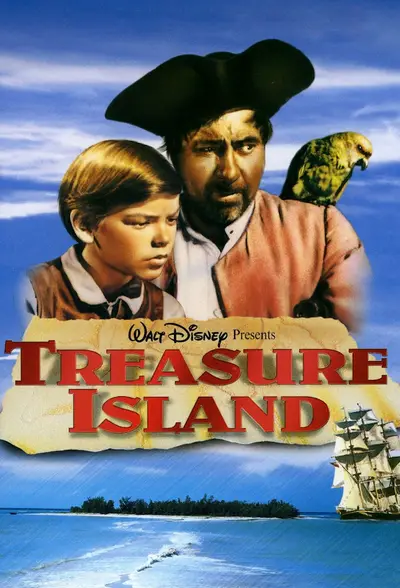
Treasure Island

Film · 1950

AdaptationMEDIUM

Disney's first fully live-action feature, made in Britain with frozen sterling earnings. Robert Newton's Long John Silver is the performance that invented the stage pirate accent, which is not in Stevenson and has been attached to pirates in every medium since.

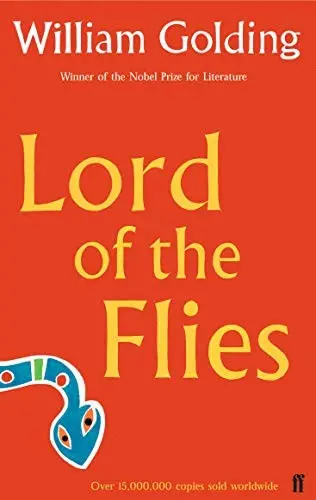
Lord of the Flies

Book · 1954

InfluenceLOW

Golding drew on the familiar conventions of the classic island adventure story, only to subvert them.

  • A remote tropical island serves as the primary setting.
  • Young protagonists explore and survive in an isolated environment.
  • The island functions as a self-contained world removed from civilization.
  • Adventure and exploration are transformed into psychological and moral conflict.
  • The romantic image of island adventure is deliberately deconstructed.

What influenced Treasure Island

The works this one is recorded as drawing on.

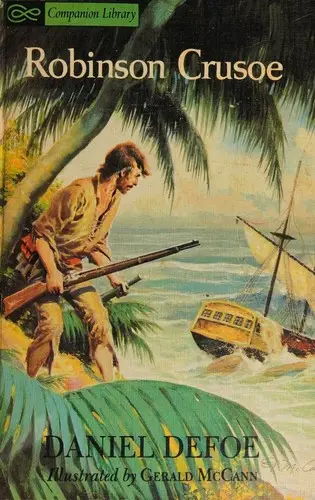
Robinson Crusoe

Book · 1719

InfluenceMEDIUM

Ben Gunn is a Crusoe: marooned three years, half mad from solitude, dressed in goatskins and fixated on cheese, and he is the island's resident expert on surviving it. Stevenson is putting the castaway inside an adventure story rather than building one around him. Filed MEDIUM and not higher because Stevenson's own acknowledgements point elsewhere. His dedication verse names Kingston, Ballantyne and Fenimore Cooper, and he credited Poe's The Gold-Bug for the treasure map and Washington Irving for Billy Bones. Defoe is the genre's foundation rather than a cited model, and a moderator who wants only stated influences should weigh that.

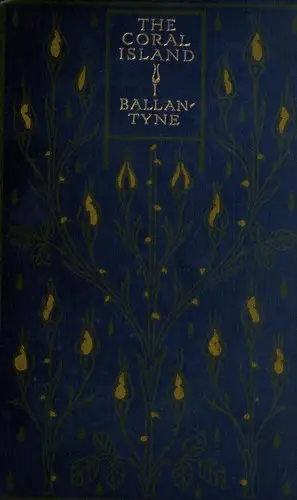
The Coral Island

Book · 1858

InfluenceLOW

The influence of The Coral Island on Treasure Island is generally accepted by scholars, although Stevenson did not present Treasure Island as one. He admired Ballantyne's work but wrote a more morally complex adventure.

  • A tropical island serves as the central setting for adventure.
  • Young protagonists experience danger and self-discovery away from civilization.
  • Exploration of an unknown island drives the narrative.
  • Survival and resourcefulness are central to the story.
  • Adventure is presented through the perspective of youthful protagonists.
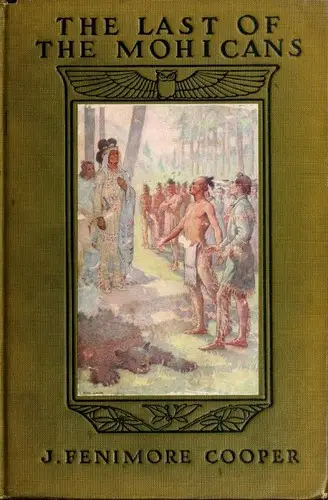
Leatherstocking Tales

Book · 1824

InfluenceLOW

Stevenson names his models in the verse preface to Treasure Island, "To the Hesitating Purchaser": "Kingston, or Ballantyne the brave, / Or Cooper of the wood and wave". The wood is the Leatherstocking frontier. It places the book in the tradition of boys' adventure Cooper founded, rather than claiming a debt to any one plot, so LOW.

About the work

Treasure Island

Traditionally considered a coming-of-age story, Treasure Island is an adventure tale known for its atmosphere, characters and action, and also as a wry commentary on the ambiguity of morality — as seen in Long John Silver — unusual for children's literature then and now. It is one of the most frequently dramatized of all novels. The influence of Treasure Island on popular perceptions of pirates is enormous, including treasure maps marked with an "X", schooners, the Black Spot, tropical islands, and one-legged seamen carrying parrots on their shoulders