Book· 1869· Adventure

Vingt Mille Lieues sous les mers (Twenty Thousand Leagues Under the Sea)

by Jules Verne

Vingt Mille Lieues sous les mers (Twenty Thousand Leagues Under the Sea): 1 recorded work traces back to it, and it draws on 1 recorded source.

Open on the map

What Vingt Mille Lieues sous les mers (Twenty Thousand Leagues Under the Sea) influenced

Works that record this one as a source, with the evidence a contributor gave.

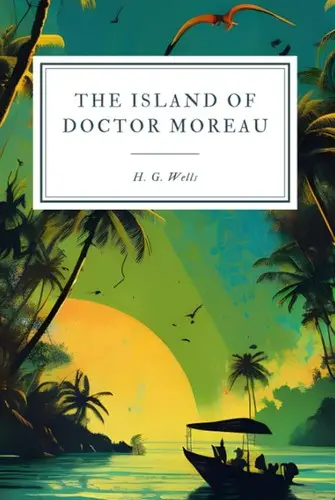
Verne established the form Wells then turned against: a rational traveller carried to an inaccessible place by a brilliant man who has removed himself from society and built a private kingdom there, with the science explained at length as the story goes. Wells keeps the apparatus and reverses the verdict. Nemo's submarine is a marvel and his misanthropy is tragic; Moreau's island is a torture chamber and his rigour is the horror. Wells was explicit that his scientific romances were doing something other than Verne's, which he regarded as prediction rather than fable, and the disagreement is what makes the debt legible.
What influenced Vingt Mille Lieues sous les mers (Twenty Thousand Leagues Under the Sea)

The works this one is recorded as drawing on.

Τίμαιος Timaeus

Nonfiction · -360

InfluenceLOW

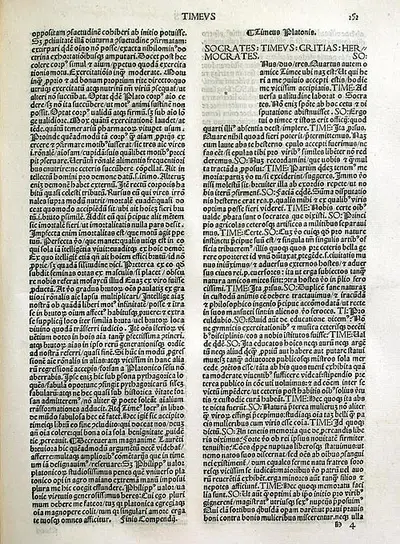
In the chapter "A Vanished Continent", Captain Nemo walks Aronnax through the drowned ruins of Atlantis, and Aronnax identifies them from Plato's account, which begins in the Timaeus. Verne takes Plato's island at its word and puts it on the Atlantic floor. One episode of the novel, hence LOW.