Book· 1896· Science Fiction

The Island of Dr. Moreau (Island of Doctor Moreau)

by H. G. Wells

The Island of Dr. Moreau (Island of Doctor Moreau): 2 recorded works trace back to it, and it draws on 2 recorded sources.

Open on the map

What The Island of Dr. Moreau (Island of Doctor Moreau) influenced

Works that record this one as a source, with the evidence a contributor gave.

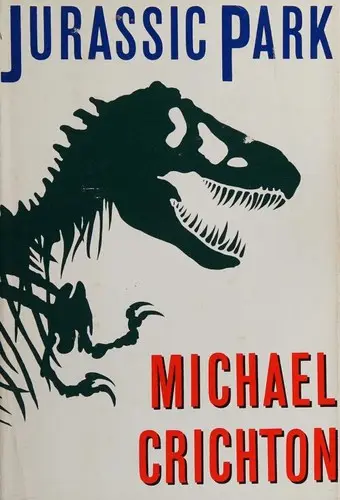
Jurassic Park

Book · 1990

InfluenceHIGH
  • Scientists manipulate living organisms using cutting-edge science.
  • Explores the ethical limits of altering or creating life.
  • Scientific ambition outpaces moral responsibility.
  • Humanity attempts to control nature but ultimately loses control.
  • The creations behave according to their own instincts rather than their creators' intentions.
  • Isolated island setting used as a controlled scientific experiment.
  • The island becomes a deadly environment when the experiments fail.
  • Questions whether scientific capability justifies scientific action.
  • Science is portrayed as a source of both wonder and catastrophe.
  • Critiques the belief that humans can dominate evolution or natural processes.
  • Uses speculative science to explore contemporary scientific and ethical concerns.
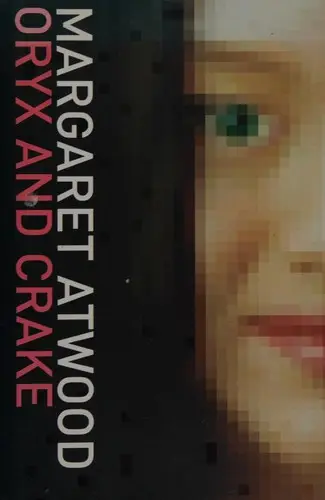
MaddAddam

Book · 2003

InfluenceMEDIUM

Atwood has written about Wells repeatedly in her essays on science fiction, and the Crakers are Moreau's argument carried to the end of it. Wells puts a scientist on an island making people out of animals and asks what he owes them; Atwood puts a scientist in a corporate compound making a replacement species out of people and removes the question of whether he may. Both books are most interested in the moment the creator is gone and the made beings are left to work out what they are, which is where Snowman spends the novel. The pigoons are the clearest borrowing: spliced animals with more human material in them than anybody is comfortable with, and the same slow dread about it. Filed MEDIUM because Atwood's stated lineage runs through several writers rather than one.

What influenced The Island of Dr. Moreau (Island of Doctor Moreau)

The works this one is recorded as drawing on.

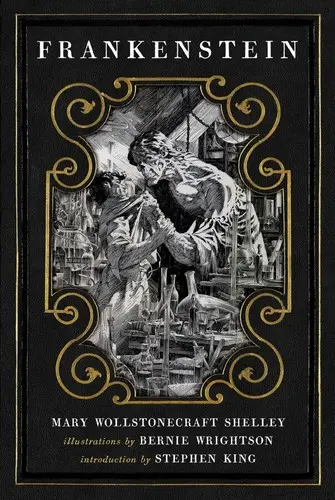
Frankenstein

Book · 1818

InfluenceHIGH
  • Scientist attempts to transcend natural limits by creating or remaking life.
  • Explores the ethical consequences of unchecked scientific ambition.
  • The creator neglects responsibility for the suffering caused by their experiments.
  • Artificially created beings struggle with identity, isolation, and their place in the world.
  • Questions what defines humanity and the boundary between human and non-human.
  • Science is portrayed as morally neutral, with danger arising from its misuse.
  • Gothic horror is blended with speculative science.
  • Both protagonists encounter the catastrophic consequences of a scientist "playing God."

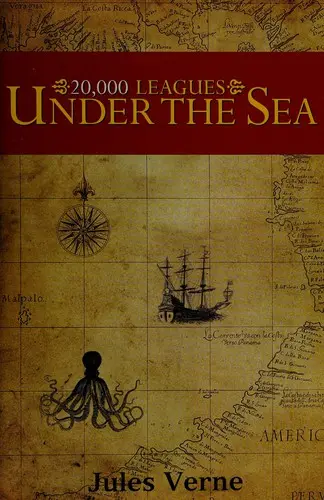
Verne established the form Wells then turned against: a rational traveller carried to an inaccessible place by a brilliant man who has removed himself from society and built a private kingdom there, with the science explained at length as the story goes. Wells keeps the apparatus and reverses the verdict. Nemo's submarine is a marvel and his misanthropy is tragic; Moreau's island is a torture chamber and his rigour is the horror. Wells was explicit that his scientific romances were doing something other than Verne's, which he regarded as prediction rather than fable, and the disagreement is what makes the debt legible.

About the work

The Island of Dr. Moreau (Island of Doctor Moreau)

A shipwrecked gentleman named Edward Prendick, stranded on a Pacific island lorded over by the notorious Dr. Moreau, confronts dark secrets, strange creatures, and a reason to run for his life. While this riveting tale was intended to be a commentary on evolution, divine creation, and the tension between human nature and culture, modern readers familiar with genetic engineering will marvel at Wells’s prediction of the ethical issues raised by producing “smarter” human beings or bringing back extinct species. These levels of interpretation add a richness to Prendick’s adventures on Dr. Moreau’s island of lost souls without distracting from what is still a rip-roaring good read.