
Short Story· 1936· Horror

At the Mountains of Madness

by H. P. Lovecraft

At the Mountains of Madness: 3 recorded works trace back to it.

Open on the map

What At the Mountains of Madness influenced

Works that record this one as a source, with the evidence a contributor gave.

The Thing

Film · 1982

InfluenceMEDIUM

Carpenter has named Lovecraft as a formative influence repeatedly and made In the Mouth of Madness explicitly about him, so the reading is his own rather than one imposed on him. What the film takes that Campbell's novella does not supply is the visceral, chaotic body horror of the entity itself. While Campbell (Who Goes There?) invented the ancient spaceship and the million-year timeline, the amorphous flesh-fusions, sprouting tentacles and Rob Bottin's shifting monstrosities belong to Lovecraft's shoggoth register rather than a standard 1930s sci-fi story.
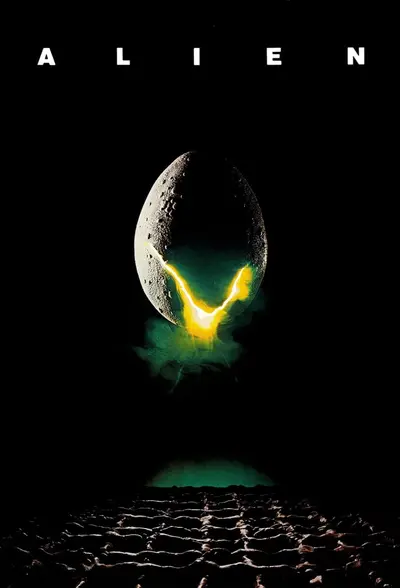
Alien

Film · 1979

InfluenceMEDIUM

Dan O'Bannon acknowledged the Lovecraft debt, and the derelict is where it shows:

  • An abandoned structure built by a vanished species, entered by a small expedition
  • Its architecture is the exposition: the crew read the dead pilot rather than being told about it
  • Both stories put their horror in what the builders were fleeing, not in the builders
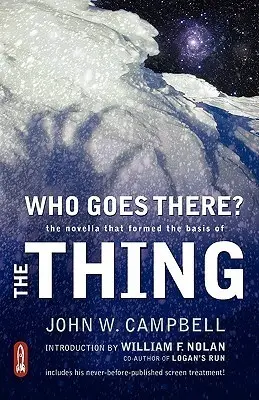
Who Goes There?

Short Story · 1938

InfluenceLOW

The link between the two men is documented: Lovecraft's novella was serialised in Astounding Stories from February to April 1936, and Campbell became Astounding's editor in 1937, publishing Who Goes There? there the year after. Shared: an Antarctic scientific expedition, a thing recovered from the ice that should have stayed in it, a camp found destroyed, and horror derived from what the specimens imply rather than from what attacks. Filed LOW because Campbell never stated the debt, and the two stories diverge on the point that matters most. Lovecraft's Old Ones are an ancient civilisation to be pitied; Campbell's thing is an imitation with no self at all.