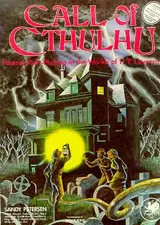
Chaosium's role-playing game takes its name and its world from Lovecraft's Cthulhu Mythos: investigators facing the Great Old Ones in 1920s New England.
Short Story· 1928· Horror
The Call of Cthulhu: 7 recorded works trace back to it, and it draws on 2 recorded sources.
Works that record this one as a source, with the evidence a contributor gave.
Chaosium's role-playing game takes its name and its world from Lovecraft's Cthulhu Mythos: investigators facing the Great Old Ones in 1920s New England.
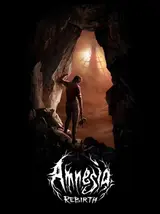
Frictional have been open about the Lovecraft debt across the series, and the design turns one of his ideas into a rule: the protagonist cannot fight, and looking at the thing damages the mind. A sanity meter that drains in darkness and in the presence of the monster is The Call of Cthulhu's central claim made mechanical, that knowledge of what is out there is itself the injury. The fragmented documents the player reads are Lovecraft's found-manuscript structure too.
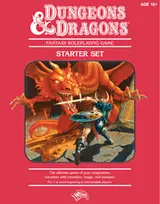
Gary Gygax lists it in Appendix N of the 1979 Advanced Dungeons & Dragons Dungeon Master's Guide, his published list of the fiction that shaped the game. Lovecraft is on it, and the debt went further than a reading list: Deities & Demigods (1980) printed the Cthulhu Mythos, with Cthulhu among its entries, as one of the game's pantheons.
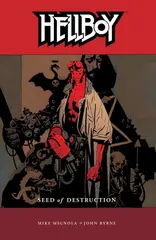
Mike Mignola dedicated Hellboy's first story, Seed of Destruction, to H. P. Lovecraft and Jack Kirby, and the Ogdru Jahad waiting to end the world are Lovecraftian elder gods.
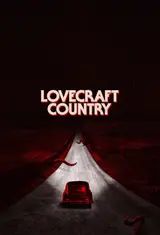
Misha Green's series, from Matt Ruff's novel, sets Lovecraft's cosmic horror in Jim Crow America, and its hero, a reader of Lovecraft, has to reckon with the author's racism.
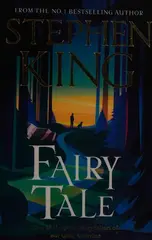
A dedication that names authors, not books: King dedicated Fairy Tale "Thinking of REH, ERB, and, of course, HPL". HPL is H. P. Lovecraft; the novel's Gogmagog is an elder being in Lovecraft's manner.
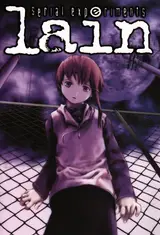
Writer Chiaki J. Konaka has named Lovecraft and the Cthulhu mythos as one of his inspirations; Lain's Wired hides a vast, indifferent intelligence that reshapes the minds of those who glimpse it.
The works this one is recorded as drawing on.
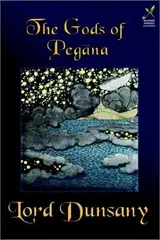
Lovecraft discovered Dunsany in 1919 and called him the writer who most shaped his early fiction. Pegāna's invented pantheon of vast indifferent gods, with a supreme one who sleeps and must not wake, is the model for Lovecraft's own mythology, of which The Call of Cthulhu is the founding story.
Maupassant's Le Horla is cited as an inspiration for Lovecraft's "The Call of Cthulhu": an alien being that influences minds and is destined to conquer humanity.