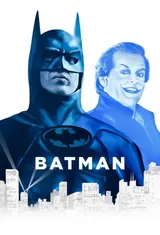
Tim Burton's film adapts DC's character: Bruce Wayne, orphaned by a street crime, fighting crime in Gotham City as Batman, and his war with the Joker. It takes the darker comics of the 1980s as its tone rather than the 1960s television series.
ComicSeries· 1940· Superhero
by Bill Finger
Batman: 6 recorded works trace back to it, and it draws on 8 recorded sources.
Works that record this one as a source, with the evidence a contributor gave.
Tim Burton's film adapts DC's character: Bruce Wayne, orphaned by a street crime, fighting crime in Gotham City as Batman, and his war with the Joker. It takes the darker comics of the 1980s as its tone rather than the 1960s television series.
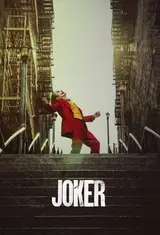
Todd Phillips's film is an origin story for the Joker, the villain introduced in Batman #1 in 1940, and ends with the murder of Thomas and Martha Wayne.
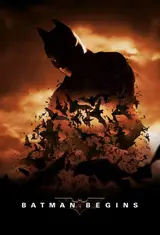
Christopher Nolan's trilogy, Batman Begins (2005), The Dark Knight (2008) and The Dark Knight Rises (2012), adapts DC's Batman comics.
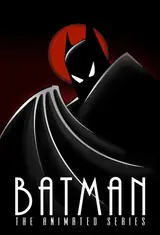
Bruce Timm and Eric Radomski's series adapts DC's Batman comics, with the Joker, Two-Face and Mr. Freeze among its villains.
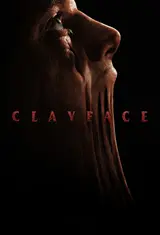
Clayface is a DC Studios film about the Batman villain Basil Karlo, created for Detective Comics in 1940.
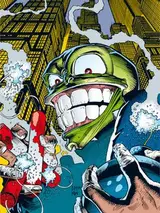
The Mask's Big Head was inspired by a combination of comic and horror villains, among them the Joker, the Green Goblin and Freddy Krueger.
The works this one is recorded as drawing on.
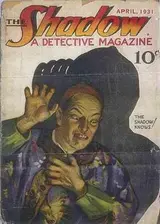
The claim is about The Shadow, the pulp series this novel began. Bill Finger said Batman was first written in the style of The Shadow, and the first Batman story in Detective Comics #27 (1939) reworks a 1936 Shadow novel, Partners of Peril. The dark cloaked vigilante working the city at night comes from the pulps.
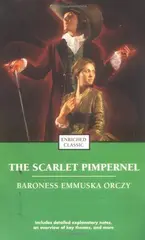
Orczy introduced "a heroic figure who creates a lounging foppish alter ego to hide his true heroic nature" (Peter Royston), and Batman is named among the masked heroes that followed within a few decades. Bruce Wayne's useless-playboy act is Sir Percy's.
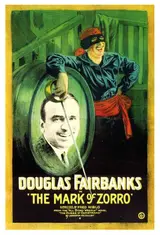
Bob Kane named Douglas Fairbanks's Zorro as a source for Batman: a rich idler who is secretly a masked avenger with a hidden lair. Later comics made the debt part of the story, with the Waynes shot on their way home from a showing of The Mark of Zorro.
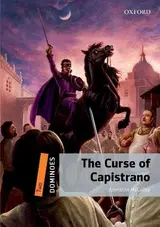
Bob Kane credited Zorro, one of the earliest masked avengers with a dual identity, as part of the inspiration for Batman: a wealthy idler by day, a masked vigilante by night with a cave beneath his house.
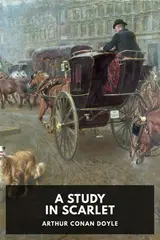
Bill Finger and Bob Kane built Batman as a detective as much as a fighter, and the model was Sherlock Holmes: a brilliant, solitary deductive mind with a laboratory, a faithful companion and a master criminal for a nemesis. Detective Comics billed him as the world's greatest detective, the reputation Holmes had held.
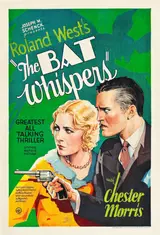
Kane named this film as a source: a caped figure called the Bat, whose bat-shaped shadow thrown on a wall announces him, a picture the comic would echo in the Bat-Signal.
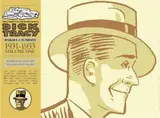
Bill Finger drew on pulp heroes such as Sherlock Holmes, The Shadow, Dick Tracy and Doc Savage to make Batman a master sleuth.
Events, places, movements and ideas outside fiction that this work is recorded as drawing on.
Real world
Batman's alter ego Bruce Wayne was named after the historical figures Robert the Bruce and the American Revolutionary general "Mad" Anthony Wayne.