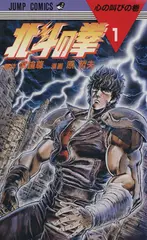
Tetsuo Hara drew the post-apocalyptic setting of Fist of the North Star from Mad Max 2: the desert wasteland, biker gangs and ruined towns.
FilmSeries· 1979· Action
Mad Max: 7 recorded works trace back to it, and it draws on 3 recorded sources.
Works that record this one as a source, with the evidence a contributor gave.
Tetsuo Hara drew the post-apocalyptic setting of Fist of the North Star from Mad Max 2: the desert wasteland, biker gangs and ruined towns.
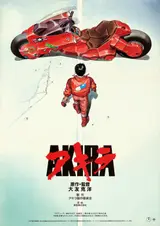
Otomo has named Mad Max among the films behind Akira, and the borrowing is the gangs: customised bikes as a subculture's entire identity, a wasteland where fuel and road are the only economy, and violence staged as motion rather than as combat. Kaneda's bike and the running battles with the Clowns are the clearest debt, and the light-trail slide that became the most imitated shot in animation is a motorcycle stunt filmed the way Miller films them. Filed MEDIUM: the post-apocalypse itself is a shared genre rather than a borrowing, and Neo-Tokyo is a rebuilt city rather than Miller's emptied one.
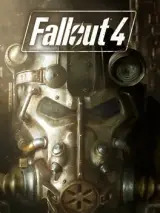
The claim is about Mad Max 2 (The Road Warrior). Fallout's developers named it as a source for the game's wasteland, and borrowed from it directly: the player's leather jacket is Max's, and the dog companion Dogmeat follows Max's dog.
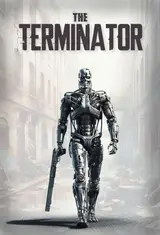
James Cameron named The Road Warrior among the contemporary films he had in mind while writing The Terminator: relentless, stripped-down pursuit action and a near-indestructible menace on the road.

The Kakamora attack, coconut-armoured pirates on war canoes, is an intentional homage to Mad Max: Fury Road.
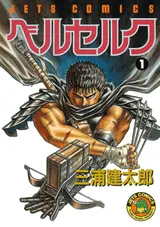
Kentaro Miura modelled Guts partly on Max Rockatansky: a vengeful, rage-driven man in a grim world.
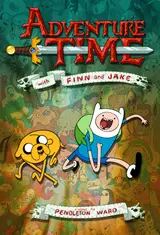
Ward said the Land of Ooo's post-apocalyptic side was influenced by Mad Max.
The works this one is recorded as drawing on.
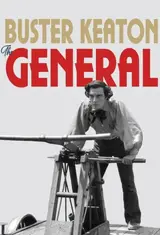
George Miller has called Buster Keaton "the big influence on me" and said the visual language of action was defined by silent comedians like him. Mad Max: Fury Road, essentially one extended vehicle chase, is routinely set beside The General's train chase, shot with Keaton's preference for real stunts in long, legible takes.
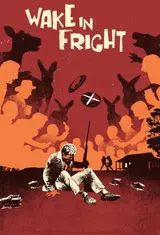
Critics trace the outback menace of the Australian New Wave, Mad Max included, to Wake in Fright, and its night-time kangaroo hunt from a speeding car is the scene most often cited. LOW: Miller has not named it.
A crew member's reading: sound designer Mark Mangini treated the War Rig as an allegory for Moby-Dick and layered its engine with whale calls.