Film· 1988· Action

Akira

by Katsuhiro Otomo

Akira: 4 recorded works trace back to it, and it draws on 3 recorded sources.

Open on the map

What Akira influenced

Works that record this one as a source, with the evidence a contributor gave.

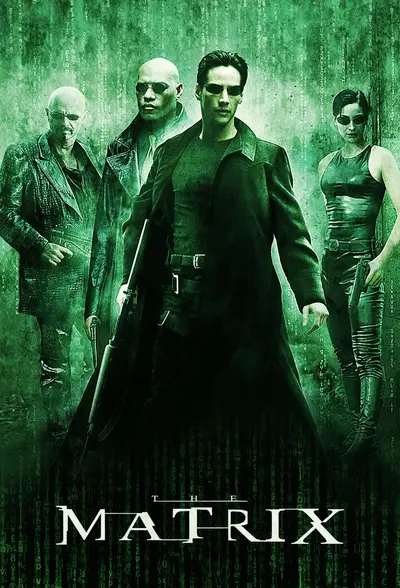
The Matrix

Film · 1999

InfluenceMEDIUM

The Wachowskis handed producers Japanese animation as a reference rather than a storyboard pitch, and Akira is the film usually named alongside Ghost in the Shell when they describe what they wanted the picture to look like. What carries across is manner rather than plot: the neon rain-slick city shot from above, the way a body moves when it is doing something impossible, and the specific trick of holding on an ordinary object at high speed. Filed MEDIUM and Visual/Stylistic on purpose. Akira's story has almost nothing to do with The Matrix's; the debt is to how it looks and moves, which is exactly what those two subtypes are for.
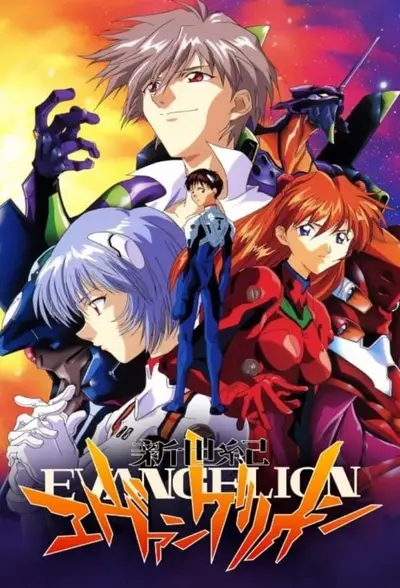
新世紀エヴァンゲリオン Neon Genesis Evangelion

Animated Series · 1995

InfluenceMEDIUM

Akira is the film that made the 1990s Japanese animation industry commercially and visually possible, and Evangelion is built in the space it cleared. Concretely: a Tokyo rebuilt after an apocalypse whose cause is a government secret, a teenage subject of that secret programme whose power cannot be contained, and a climactic dissolution of a human body into something vast and undifferentiated. The Third Impact sequence and Tetsuo's transformation are the same idea filmed twice. Filed MEDIUM: a shared vocabulary within one industry, not a stated debt.

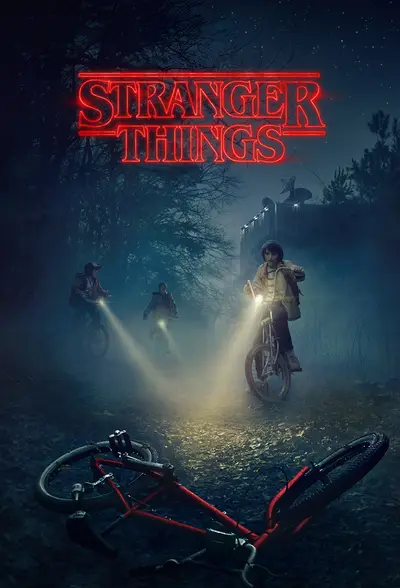
Stranger Things

TV Series · 2016

InfluenceMEDIUM

The Duffer brothers have named Akira, alongside Firestarter, for Eleven: a child taken young by a government programme, identified by a number, whose power arrives with nosebleeds. The lab, the earlier subjects who did not survive, and the pursuit through an ordinary town all come from the same place. The graph already holds E.T., The Goonies and D&D as sources for the show; this is the one that is not American.

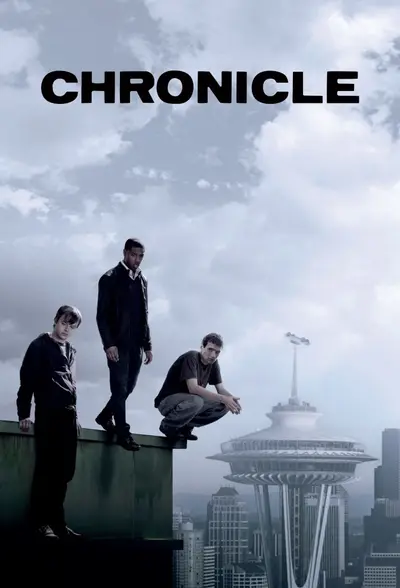
Chronicle

Film · 2012

InfluenceMEDIUM

Josh Trank has named Akira as an influence on Chronicle. The story of a bullied, isolated teenager who gains telekinetic power and turns it on the city is Tetsuo's, and the finale of two former friends fighting across a city echoes Akira's.

What influenced Akira

The works this one is recorded as drawing on.

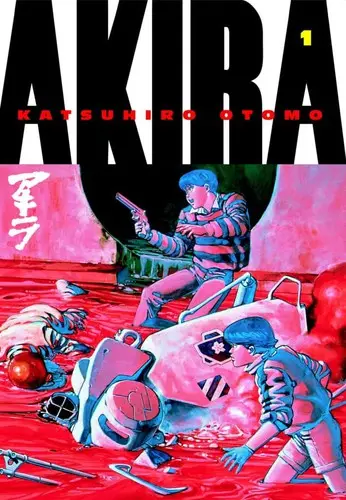
Akira

Manga · 1984

AdaptationHIGH

Otomo adapted his own manga, and did it while the manga was still running. The serial ran 1982 to 1990; the film arrived in 1988 with six years of story to compress and an ending that did not exist yet. What that produces is unusual for an adaptation: the film is not a reduction of a finished work but a second version by the same author, with Tetsuo's arc pulled forward, the Colonel's role enlarged and the manga's long post-Akira reconstruction gone entirely. Otomo then finished the manga differently.

Mad Max

Film · 1979

InfluenceMEDIUM

Otomo has named Mad Max among the films behind Akira, and the borrowing is the gangs: customised bikes as a subculture's entire identity, a wasteland where fuel and road are the only economy, and violence staged as motion rather than as combat. Kaneda's bike and the running battles with the Clowns are the clearest debt, and the light-trail slide that became the most imitated shot in animation is a motorcycle stunt filmed the way Miller films them. Filed MEDIUM: the post-apocalypse itself is a shared genre rather than a borrowing, and Neo-Tokyo is a rebuilt city rather than Miller's emptied one.

About the work

Akira

Set in a dystopian 2019, it tells the story of Shōtarō Kaneda, the leader of a biker gang whose childhood friend, Tetsuo Shima, acquires powerful telekinetic abilities after colliding with a child esper in a motorcycle accident, eventually threatening an entire military complex in the sprawling futuristic metropolis of Neo-Tokyo.