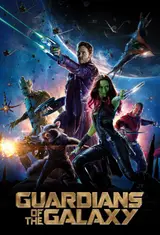
James Gunn named Star Wars as a primary inspiration for Guardians of the Galaxy, with Mass Effect, Flash Gordon and Farscape.
FilmSeries· 1977· Science Fiction
by George Lucas
Star Wars: 19 recorded works trace back to it, and it draws on 13 recorded sources.
Works that record this one as a source, with the evidence a contributor gave.
James Gunn named Star Wars as a primary inspiration for Guardians of the Galaxy, with Mass Effect, Flash Gordon and Farscape.
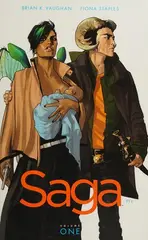
Vaughan has described Saga as the collision of Star Wars with Romeo and Juliet, and the Star Wars half supplies the universe: a galaxy at endless war between two blocs, a species-diverse cast where nobody comments on anyone's anatomy, bounty hunters as a recognised profession, and technology that is filthy and improvised. What Saga does with it is put a nursing infant at the centre and let the war be the thing interrupting a family, rather than the other way round.
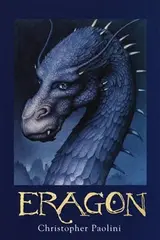
Eragon's opening follows Star Wars closely: a farm boy raised by his uncle finds something that makes him a target, his uncle is killed, and an old mentor with a secret past teaches him the ways of an order of warriors that the evil emperor destroyed. MEDIUM, recorded on the plot parallels, which reviewers noted on publication and later the influence was confirmed by the author.
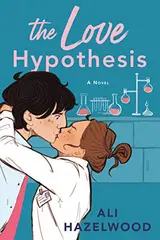
The Love Hypothesis began as Ali Hazelwood's Star Wars fan fiction about Rey and Kylo Ren, published online as Head Over Feet; for the novel the characters were renamed and the Star Wars references removed, but Olive is Rey and Adam Carlsen is Kylo Ren, named after Adam Driver.
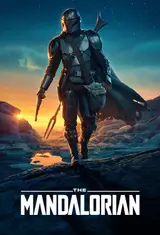
The Mandalorian is the first live-action Star Wars series, set five years after Return of the Jedi, with the Empire's remnant, Boba Fett and Luke Skywalker in the story.
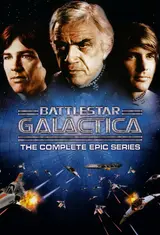
Battlestar Galactica was made in Star Wars' wake with effects by John Dykstra, who had worked on Star Wars; Fox and Lucasfilm sued Universal over the similarities.
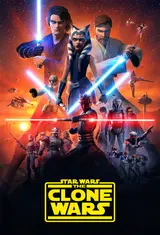
The Clone Wars is set in the Star Wars galaxy between Attack of the Clones and Revenge of the Sith, following Anakin Skywalker and his apprentice Ahsoka Tano.


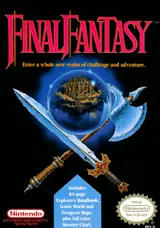
The series' recurring pair Biggs and Wedge are named after Luke's fellow X-wing pilots, and have appeared under those names since Final Fantasy VI. Final Fantasy II, the second game, built its plot on a rebel alliance fighting an empire. Filed LOW: homage and a borrowed frame rather than a model for the series.
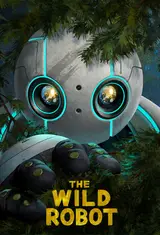
Chris Sanders took inspiration from C-3PO and R2-D2, with Forbidden Planet's Robby, in giving Roz little facial articulation. Design only, hence LOW.
Elite's developers named Star Wars, with 2001, The Hitchhiker's Guide to the Galaxy and Battlestar Galactica, among its influences.
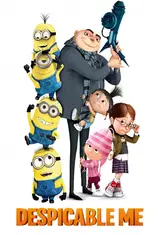
The Jawas were the other model the directors named for the Minions: small, hooded, chattering in a language of their own.
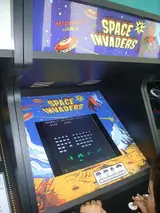
Tomohiro Nishikado drew on science fiction for Space Invaders, the film Star Wars among it.
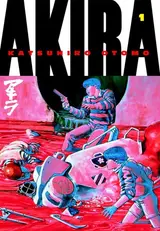
Katsuhiro Otomo has cited the influence of Star Wars on Akira.
The works this one is recorded as drawing on.
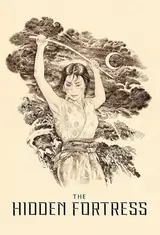
Of everything Lucas has been accused of borrowing, this is the one he names himself, repeatedly and in detail. The graph already holds Flash Gordon and Barsoom as his acknowledged sources; Kurosawa is the third and the most structural of the three.
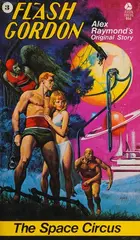
George Lucas originally wanted to make a Flash Gordon movie in the 1970s. When he couldn't acquire the rights from King Features, he decided to write his own original space opera instead, directly resulting in Star Wars. Cloud City (inspired by the Hawkmen's Sky City) and the structural opening crawls are direct nods to Flash Gordon.
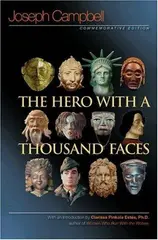
George Lucas acknowledged Campbell's monomyth as a direct influence on how he structured Star Wars.
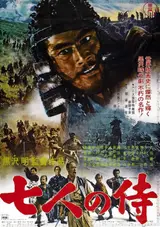
Lucas has credited Kurosawa repeatedly and at length, and the debt reaches Star Wars in what a Jedi is: a masterless swordsman of a dying order, hired by farmers, whose code and whose obsolescence are the point. Obi-Wan is a ronin, and the lightsaber is filmed as a katana. The visual grammar comes with it: wipes between scenes, the held reaction shot, and costume built from hakama and kimono lines rather than from Western military uniform. Lucas names The Hidden Fortress most often of all, and that connection is recorded separately: the two bickering peasants who became R2-D2 and C-3PO, the princess moved in disguise through enemy country, the story told from the lowest characters up. The Hidden Fortress is on the map and carries that claim directly. This edge records the wider debt: Kurosawa is the source Lucas names most often, and Seven Samurai is where the ronin, the code and the obsolescence that made Obi-Wan possible are set out most fully.
The Galactic Empire, a capital world that is a single city, and a decline that the story treats as a historical process rather than a villain's plan: all three reach Star Wars from Asimov, who took them from Gibbon. Coruscant is the clearest case. It is Trantor, and the prequels' Senate is Asimov's picture of an imperial centre that no longer governs the periphery it taxes. Filed MEDIUM, and the honest limit is worth stating: Lucas has not named Foundation among his sources the way he has named Kurosawa and Flash Gordon. What is inherited is a setting vocabulary that Asimov put into the genre and everybody after him used.
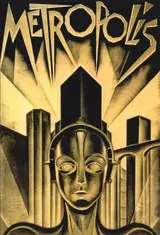
C-3PO's design comes from the robot Maria. Ralph McQuarrie's concept art for the droid was drawn after the Metropolis robot, and the finished costume keeps its gold, art-deco figure. The claim is about C-3PO, and the rest of the film owes Metropolis nothing in particular.
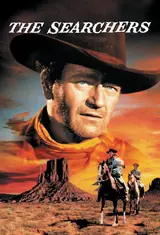
George Lucas restaged The Searchers' burned homestead in Star Wars, where Luke finds the Lars farm destroyed and his aunt and uncle dead.
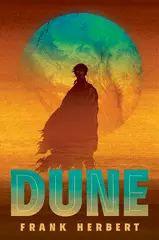
Documented parallel, not an acknowledged debt, and the difference is the whole reason this is LOW. The resemblances are extensive and often listed: a desert planet, a spice the galaxy depends on (Star Wars names the spice mines of Kessel), the hidden heir of a fallen noble house, a mystic order that bends minds with its voice, a galactic empire, desert natives, and a vast creature under the sand. What makes it worth recording is that Frank Herbert noticed. He is widely reported, in his son Brian's biography Dreamer of Dune, to have joked about founding a "We're Too Big to Sue George Lucas Society" with other science fiction writers. That is the author of the source registering the debt in public. Against that: Lucas has never named Dune. His stated sources are Flash Gordon, Burroughs, Kurosawa, Joseph Campbell and wartime aerial pictures, and the first two are already approved influences on this work here. Reject this if you want the map to carry only what a maker owned up to.
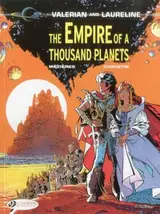
A claim made by Jean-Claude Mézières, never acknowledged by Lucas. Mézières pointed to images in Star Wars that had appeared first in Valérian, such as Leia's metal bikini and a ship resembling the Millennium Falcon, and drew a cartoon of the two heroes meeting Luke and Leia. Filed LOW because only one side has said it.
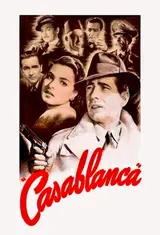
Han Solo is Rick Blaine in space: the cynic with a debt, a bar, and a refusal to pick a side that lasts exactly until the third act. Lucas has cited the film among his sources, and the cantina is the scene that makes the borrowing hard to miss.
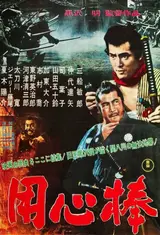
Star Wars pays narrative and visual homage to Yojimbo, most plainly in the cantina, where a sword cuts off an arm as in Kurosawa's film.
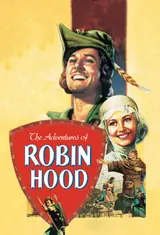
John Williams cited Korngold, whose Robin Hood score set the swashbuckler sound, as his model for scoring Star Wars.