Book· 1906· Fantasy

The Volsunga Saga

The Volsunga Saga: 4 recorded works trace back to it.

Open on the map

What The Volsunga Saga influenced

Works that record this one as a source, with the evidence a contributor gave.

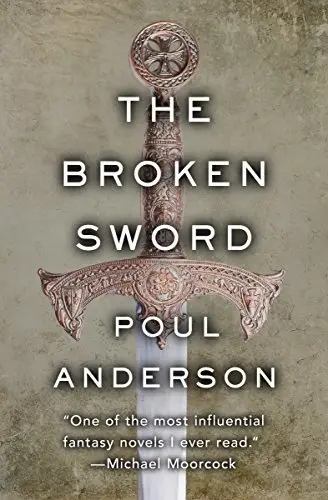
The broken sword

Book · 1954

InfluenceHIGH

Anderson wrote a saga rather than a novel about one, and the borrowings are structural:

  • A sword broken and reforged as the hinge of the plot, which is Sigurd's Gram
  • A blade that must kill whenever it is drawn and turns on its owner, the Tyrfing curse
  • A changeling, a doomed hero raised away from his kin, and incest discovered too late, all of which the Volsungs supply
  • The saga voice itself: flat, fast, fatalistic, and offering no interiority

Published the same year as The Fellowship of the Ring and drawing on the same Norse source Tolkien taught, which is why the two books read as opposite answers to one question.
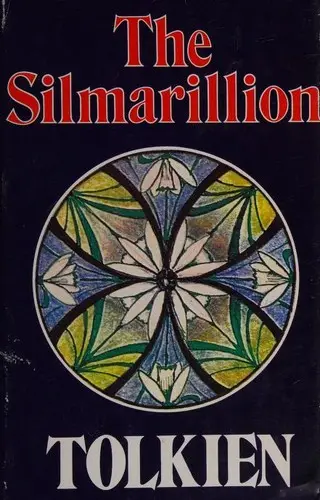
The Silmarillion

Book · 1977

InfluenceHIGH

Tolkien was a professional philologist working on exactly this material, and the Silmarillion takes its architecture from it: a cursed treasure that destroys everyone who holds it, a dragon guarding hoard and speaking with its victim, a hero who kills that dragon from below, and a family destroyed across generations by an oath. Túrin Turambar is Sigurd crossed with Kullervo, and Tolkien said so;

About the work

The Volsunga Saga

Late 13th-century prose rendition in Old Norse of the origin and decline of the Völsung clan (including the story of Sigurd and Brunhild and the destruction of the Burgundians). It is one of the most famous legendary sagas and an example of a "heroic saga" that deals with Germanic heroic legend.