Book· 1937· Fantasy

The Hobbit

by J.R.R. Tolkien

The Hobbit: 2 recorded works trace back to it, and it draws on 4 recorded sources.

Open on the map

What The Hobbit influenced

Works that record this one as a source, with the evidence a contributor gave.

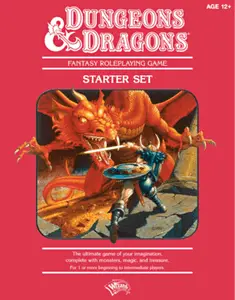
DnD, D&D

Tabletop RPG · 1974

InfluenceHIGH

Gygax spent years downplaying Tolkien's importance to the game, and the paperwork disagrees with him. The 1974 rules use hobbits, ents and balrogs by name; the Tolkien Estate objected, and TSR renamed them halflings, treants and the balor. All three words are still in the game, and each one is a scar left by a legal letter. Beyond the names, the debt is the premise the whole hobby rests on: a mixed party of races travelling together on a long expedition to a dungeon, which is The Hobbit's plot and was not a standard fantasy shape before it. Pointed at The Hobbit rather than at The Lord of the Rings, which the graph already holds separately. The Hobbit is the one with a burglar hired by a party, an underground expedition, and a dragon on a hoard.
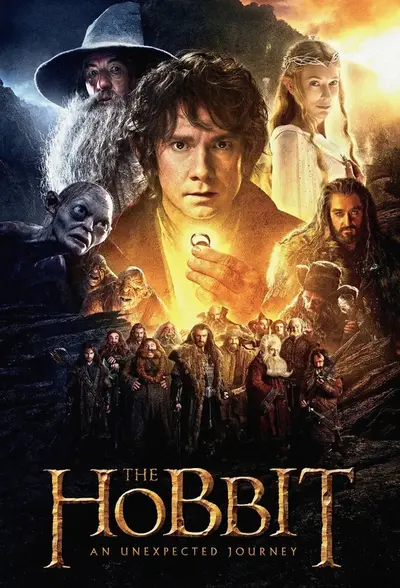
The Hobbit

Film · 2012

AdaptationMEDIUM

Direct adaptation of the story from the book into a trilogy, although the filmmakers stretched the story a bit using appendixes and notes from Tolkien's other books.

What influenced The Hobbit

The works this one is recorded as drawing on.

Beowulf

Poetry · 1877

InfluenceHIGH

Narrative: Bilbo steals a cup from Smaug's hoard, just as a thief steals a cup from the dragon in Beowulf, provoking the dragon's wrath. Character: Smaug's intelligence, pride, and possessiveness owe much to the Beowulf dragon. Théoden embodies the ideal of the Anglo-Saxon king, ruling from a great hall and inspiring loyalty through generosity and courage. Worldbuilding: Meduseld, the Golden Hall of Rohan, strongly recalls Heorot, King Hrothgar's great hall in Beowulf. The Rohirrim's language, poetry, and social customs are deliberately based on Anglo-Saxon culture. Thematic: Both works dwell on the transience of kingdoms, the inevitability of death, and the enduring value of honour in the face of loss. Stylistic: Tolkien adopts an elevated, archaic register in many speeches and songs, echoing the diction and rhythm of Old English verse.

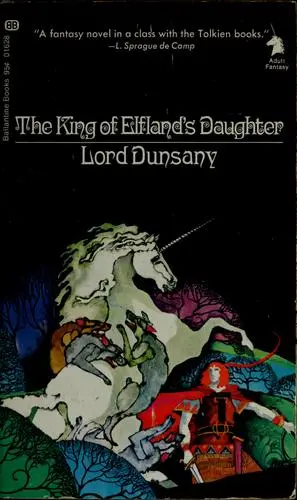
The king of Elfland's daughter

Book · 1924

InfluenceMEDIUM

Tolkien admired Lord Dunsany, although his own style became more grounded in Norse and Anglo-Saxon traditions. Shared elements include:

  • secondary worlds that feel ancient and complete,
  • a mythic narrative voice,
  • magic treated as mysterious rather than mechanical.

About the work

The Hobbit

Set in the Middle-Earth universe.

The Hobbit is a tale of high adventure, undertaken by a company of dwarves in search of dragon-guarded gold. A reluctant partner in this perilous quest is Bilbo Baggins, a comfort-loving unambitious hobbit, who surprises even himself by his resourcefulness and skill as a burglar. Encounters with trolls, goblins, dwarves, elves, and giant spiders, conversations with the dragon, Smaug, and a rather unwilling presence at the Battle of Five Armies are just some of the adventures that befall Bilbo. Bilbo Baggins has taken his place among the ranks of the immortals of children’s fiction. Written by Professor Tolkien for his children, The Hobbit met with instant critical acclaim when published.

Parts of this