FilmSeries· 1982· Science Fiction

Blade Runner

by Ridley Scott

Blade Runner: 2 recorded works trace back to it, and it draws on 4 recorded sources.

Open on the map

What Blade Runner influenced

Works that record this one as a source, with the evidence a contributor gave.

The Matrix

Film · 1999

InfluenceMEDIUM

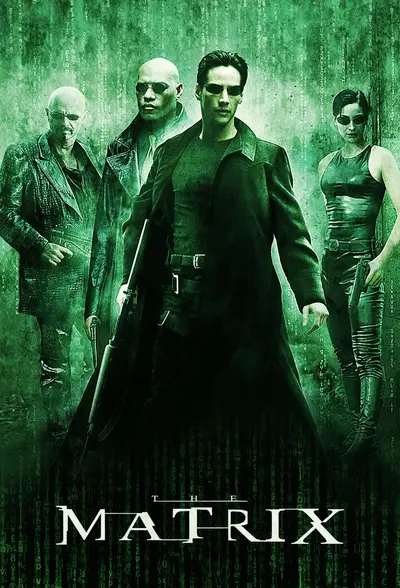
The rain-lit, permanently night city lit from below by advertising is Scott's, and by 1999 it was the default look of a film that wanted to say "future" without saying when. The thematic debt is narrower and real: both films make the audience doubt whether a character's memories are their own, and both answer with a test administered by an authority. The Voight-Kampff and the red pill are the same scene at different ends of the argument. Filed MEDIUM and Visual/Worldbuilding on purpose. The Matrix's structure comes from elsewhere, most of it from Hong Kong action cinema and Japanese animation.

カウボーイビバップ Cowboy Bebop

Animated Series · 1998

InfluenceMEDIUM

Shinichiro Watanabe has named it among the show's sources, and it is the look that came across: a lived-in future of rain, neon and street food where the technology is old and repaired rather than gleaming, and the city is crowded with people who are not the story. Bebop puts a jazz score over it where Scott used Vangelis, which changes the mood without changing the world.

What influenced Blade Runner

The works this one is recorded as drawing on.

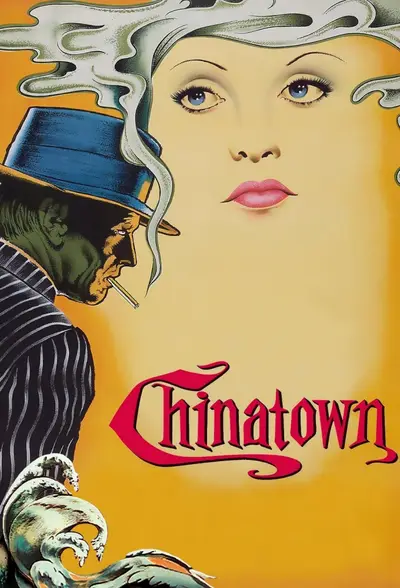
Chinatown

Film · 1974

InfluenceMEDIUM

Blade Runner is a detective picture before it is science fiction, and the detective picture it is modelled on is the 1970s revision of noir that Chinatown defined. The shared frame: an investigator hired for a narrow job who uncovers a crime built into the city itself, a powerful old man who owns the infrastructure and cannot be touched, a woman who is the old man's creation and the investigator's failure, and an ending in which nothing is put right. Deckard's interrogation of Rachael is Gittes questioning Evelyn: the man asking for the truth is the one who does not understand what he is doing to her. Filed MEDIUM: an inheritance from a genre Polanski's film had just reinvented, rather than a debt Scott has stated.

2001: A Space Odyssey

Film · 1968

InfluenceMEDIUM

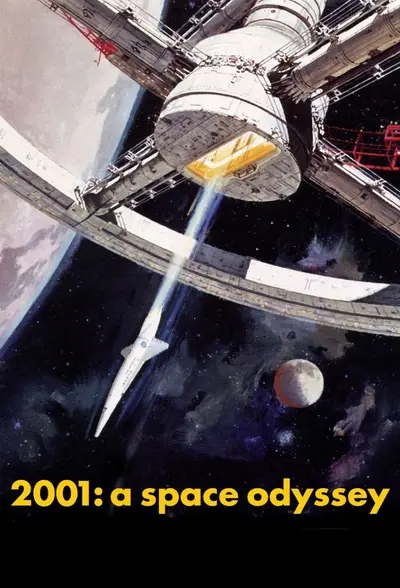
Scott has described 2001 as the film that raised the bar and, by his own account, made him want to work at that level of density. The debt is in the craft rather than the story: miniatures shot with long lenses and heavy atmosphere so the scale reads, interfaces that are diegetic and unexplained, and a pace that lets an audience look around a room. The graph already holds 2001 pointing at Alien on the same grounds; the Los Angeles of 2019 is the other end of the same design argument.

Frankenstein

Book · 1818

InfluenceMEDIUM

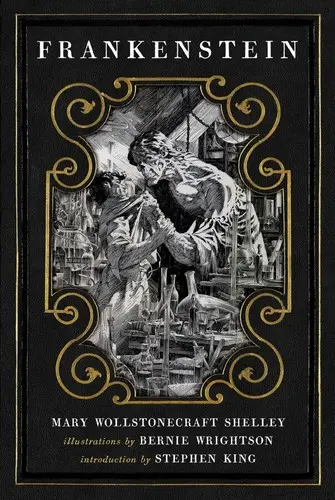
The film's climax is Shelley's scene: the made thing confronts the man who made it and asks him for more life, and is refused. Roy Batty finding Tyrell is the creature finding Victor on the ice, with the same demand and the same answer, and both stories give the creature the better argument. Scott and Hampton Fancher have discussed the Promethean frame; the graph already holds Frankenstein pointing at the novel this film adapts, which makes the line worth drawing separately.

Do Androids Dream of Electric Sheep?

Book · 1968

AdaptationMEDIUM

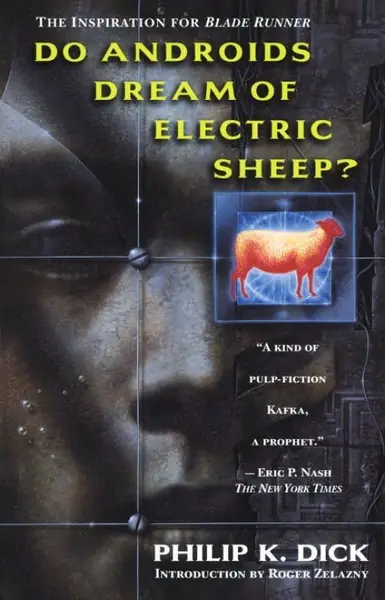
Loose adaptation but it retains the core elements of Dick's novel:

  • Rick Deckard as the protagonist.
  • Androids (renamed "replicants") hunted by bounty hunters ("blade runners").
  • Roy Batty (Roy Baty in the novel) as the principal antagonist.
  • Questions about humanity, identity, and artificial life.

About the work

Blade Runner

This is a series.

Former blade runner Rick Deckard is reluctantly forced back into service for one last assignment: eliminate four escaped Replicants from the colonies who have returned to Earth to find their creator.