FilmSeries· 1999· Science Fiction

The Matrix

by Lana Wachowski

The Matrix: 3 recorded works trace back to it, and it draws on 7 recorded sources.

Open on the map

What The Matrix influenced

Works that record this one as a source, with the evidence a contributor gave.

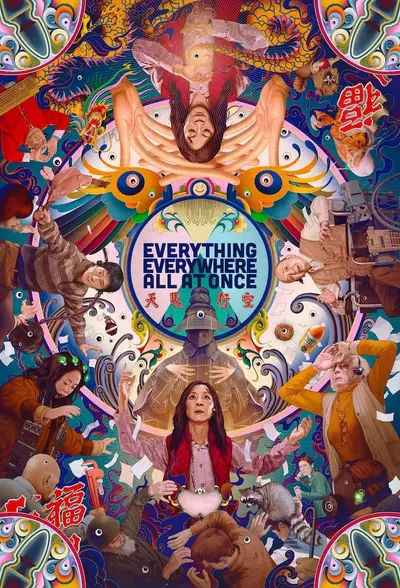
Everything Everywhere All at Once

Film · 2022

InfluenceMEDIUM

Both films take an ordinary person told that the life they are living is one of many, and both express the revelation as a sudden download of skills, which is the specific borrowing worth naming. Evelyn's verse-jumping gives her, in an instant, the abilities of a version of herself who trained for decades, and it is staged the way Neo's training is staged: the character stops, receives, and then moves differently. The Daniels also inherit the Wachowskis' habit of putting martial-arts choreography into a film about identity. Where they diverge is the ending, which turns on family rather than on a chosen one.
Max Payne

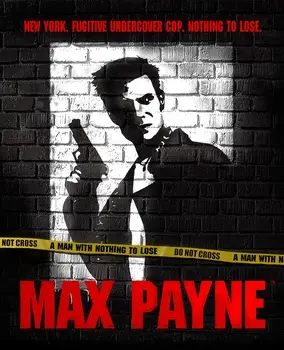
Video Game · 2001

InfluenceMEDIUM

While Remedy Entertainment designed Max Payne’s slow-motion gunplay independently starting in 1997—inspired primarily by John Woo—the mechanic’s iconic name, "Bullet Time," was coined to capitalize on The Matrix's release two years earlier. The player manually slows down time to dodge and aim while fully-modeled bullets trace visible paths through the air, and Remedy successfully marketed the game by leaning heavily into the massive Matrix cultural hype.

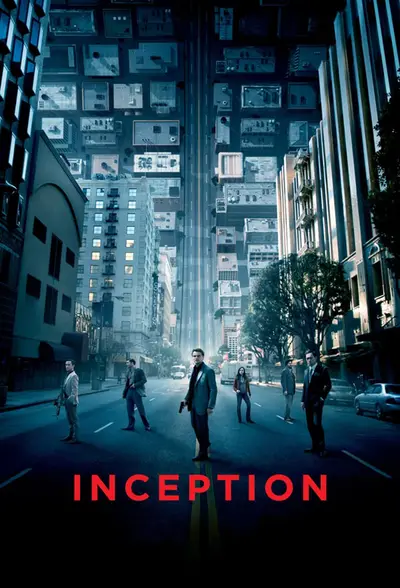
Inception

Film · 2010

InfluenceLOW

A commercial debt rather than a creative one, and worth filing as such. The Matrix proved that a studio action film could ask an audience to hold two levels of reality at once, which is the appetite Inception was greenlit into eleven years later. Nolan has not claimed it as a source, so this is LOW.

What influenced The Matrix

The works this one is recorded as drawing on.

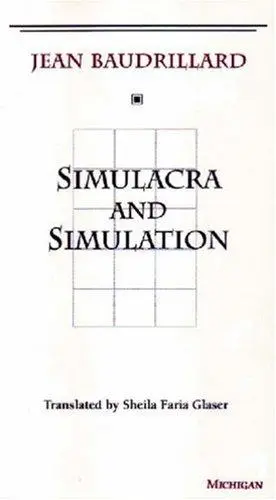
Simulacra and Simulation

Book · 1981

InfluenceHIGH

Before filming, the principal cast were given reading material so they would understand the philosophical ideas behind the film, and *Simulacra and Simulation* was on the list.

  • The book is a prop in the film. Neo keeps his illegal discs inside a hollowed-out copy of it, open at the chapter On Nihilism, about four minutes in. It is not decoration: the philosophical key to the film is put on screen as an object.
  • Jean Baudrillard's idea of simulacra (copies that no longer refer to an original reality) is the Matrix itself: humans live inside a constructed simulation that has replaced their awareness of the real world.
  • The film explores his concept of hyperreality, where an artificial version of reality becomes more meaningful and believable than the actual world. The simulated 1990s inside the Matrix feels real to its inhabitants even though it is only a digital construction.
  • Morpheus quotes him directly. "Welcome to the desert of the real" is taken from Baudrillard's writing, and carries his point that once the truth is known the real world can seem empty beside the constructed one people were used to.
  • The question the film is built on is his: a copy with no original, a simulation that does not conceal a reality so much as remove the question of one.
  • Baudrillard himself said the film had misunderstood him, which belongs on the record alongside the debt rather than instead of it.
  • Worldbuilding Influence: helped inspire the idea of a simulated world replacing the real one.
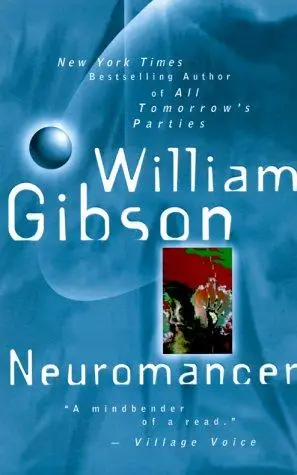
The Sprawl Trilogy

Book · 1984

InfluenceHIGH
  • Foundational influence: Neuromancer helped define the cyberpunk genre, establishing many of the ideas and aesthetics that became central to The Matrix.
  • Thematic influence: Both works explore artificial intelligence, virtual realities, the relationship between humans and machines, corporate control, and questions of identity and consciousness.
  • Worldbuilding influence: The Matrix adopts many cyberpunk conventions popularized by Neuromancer, including hackers as protagonists, omnipresent computer networks, dystopian megacorporate or machine-controlled societies, and high-tech, low-life environments. Although The Matrix's visual style was more directly influenced by works like Ghost in the Shell and Hong Kong action cinema, its dark urban cyberpunk aesthetic is consistent with the style popularized by Neuromancer.
  • Genre influence: The Matrix is widely regarded as one of the most influential cyberpunk films, adapting many of the genre conventions that Neuromancer helped establish for a mainstream audience.

The Wachowskis showed Ghost in the Shell to Joel Silver and said they wanted to do that for real, which is the origin story the film's producers have repeated since. The borrowings are visible shot for shot: falling green code down a screen, a diver entering water as an image of entering a network, the plug at the base of the skull, and the thermo-optical camouflage that becomes bullet-time's cousin. The larger inheritance is the question, which both films treat as a thriller premise rather than as philosophy: if the mind can be edited and the body is hardware, what is left that is you.

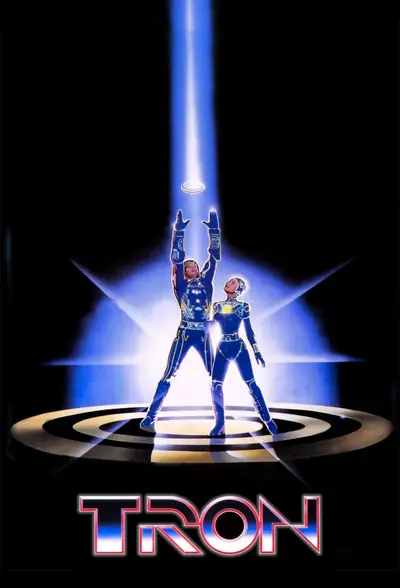
Tron

Film · 1982

InfluenceMEDIUM

Tron is the first film to treat the inside of a computer as a PLACE with geography, inhabitants and laws rather than as a metaphor or a screen of text, and the cinematic vocabulary for digital worlds descends from that decision. What The Matrix takes is the premise that a person can be present inside the system as a body, subject to rules that bend for someone who understands the substrate, and that the system's enforcement appears as characters rather than as errors. Agents do what the MCP's programs do. Filed MEDIUM: an ancestor rather than a stated source. The Matrix's own citations are Baudrillard, Japanese animation and Hong Kong action cinema.

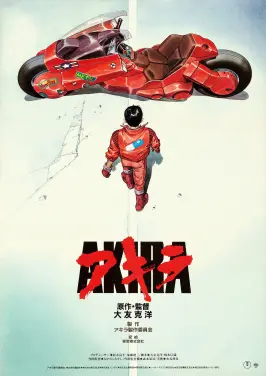
Akira

Film · 1988

InfluenceMEDIUM

The Wachowskis handed producers Japanese animation as a reference rather than a storyboard pitch, and Akira is the film usually named alongside Ghost in the Shell when they describe what they wanted the picture to look like. What carries across is manner rather than plot: the neon rain-slick city shot from above, the way a body moves when it is doing something impossible, and the specific trick of holding on an ordinary object at high speed. Filed MEDIUM and Visual/Stylistic on purpose. Akira's story has almost nothing to do with The Matrix's; the debt is to how it looks and moves, which is exactly what those two subtypes are for.

Blade Runner

Film · 1982

InfluenceMEDIUM

The rain-lit, permanently night city lit from below by advertising is Scott's, and by 1999 it was the default look of a film that wanted to say "future" without saying when. The thematic debt is narrower and real: both films make the audience doubt whether a character's memories are their own, and both answer with a test administered by an authority. The Voight-Kampff and the red pill are the same scene at different ends of the argument. Filed MEDIUM and Visual/Worldbuilding on purpose. The Matrix's structure comes from elsewhere, most of it from Hong Kong action cinema and Japanese animation.

Alice in Wonderland

Book · 1865

InfluenceMEDIUM

The film names it twice in the first twenty minutes. Neo is told to follow the white rabbit, and Morpheus offers him the choice by saying he imagines Neo feels a bit like Alice tumbling down the rabbit hole. The borrowing is structural rather than decorative: an ordinary person crosses into a world whose rules are internally consistent and wrong, and the story is the business of learning them.

About the work

The Matrix

This is a series.

In the 22nd Century, a computer hacker draws the attention of a group of underground insurgents fighting to overthrow their sentient AI overlords who now rule the earth.

Everything in The Matrix