BookSeries· 1954· Fantasy

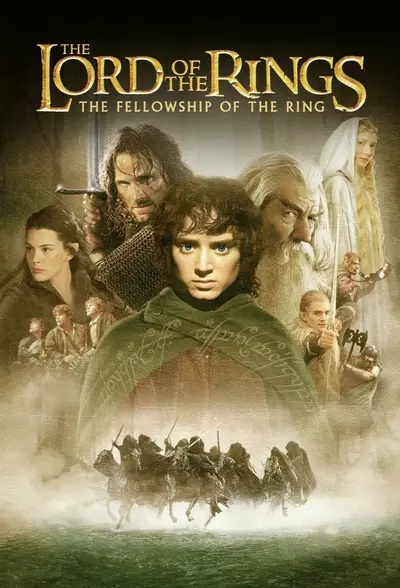
The Lord of the Rings

by J.R.R. Tolkien

The Lord of the Rings: 29 recorded works trace back to it, and it draws on 5 recorded sources.

Open on the map

What The Lord of the Rings influenced

Works that record this one as a source, with the evidence a contributor gave.

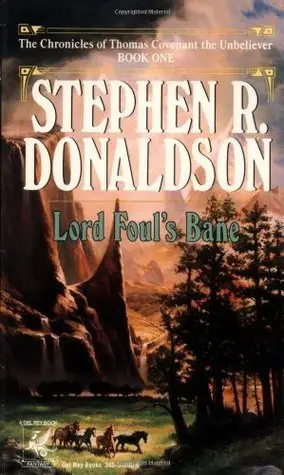
Donaldson set out to write the anti-Frodo, and has said so consistently: a protagonist who refuses the call, disbelieves the world he is in, and commits an unforgivable act in the first book. The debt is structural. The Land is a secondary world with its own geography and deep history; there is an ancient evil, a company that travels, and an object of power. Thomas Covenant is a leper from our world who treats all of it as a delusion, which only works as a device because the reader already knows the shape it is refusing. Filed as influence rather than reaction against: Donaldson credits Tolkien with making him want to write at all, and the inversion is of the hero, not of the form.
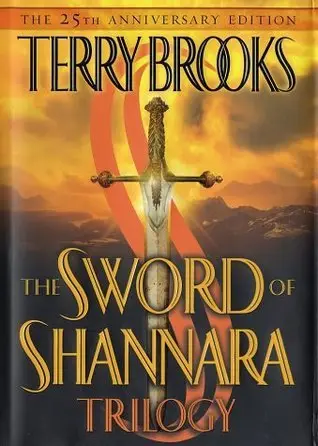
The Sword of Shannara Trilogy

Book · 2003

InfluenceHIGH

The similarities are substantial: A young hero from a quiet rural community is drawn into a quest. An ancient evil threatens the world. A wise druid (Allanon) fills a role similar to Gandalf. The journey involves a diverse fellowship. The quest centers on a powerful magical artifact.

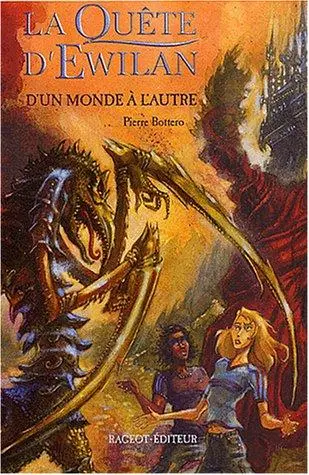
La quête d'Ewilan Ewilan's Quest

Book · 2003

InfluenceHIGH

This is by far the most explicitly acknowledged influence. Bottero described his adolescent discovery of Tolkien as a decisive encounter, and "Sur les traces d’Ewilan", a Rageot publication about the series, explicitly notes that La Quête d’Ewilan borrows substantially from Tolkien.

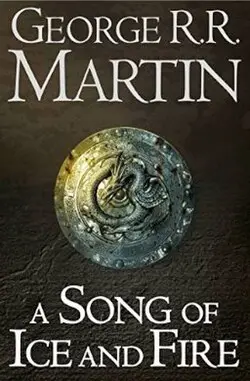
A Song Of Ice And Fire

Book · 1996

Reaction againstHIGH

Reacts against Tolkien's clear moral divisions by portraying morally ambiguous characters, flawed heroes, and unpredictable storylines, while retaining the influence of Tolkien's expansive worldbuilding, deep history, and richly developed secondary world.

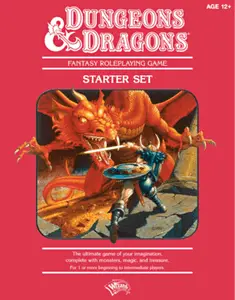
DnD, D&D

Tabletop RPG · 1974

InfluenceHIGH

Inspired by : Hobbits/halflings, orcs, ents, dwarves, elves, fantasy races and other creatures . Early D&D's balor is essentially an adaptation of the Tolkien-style Balrog concept, while avoiding the protected name.

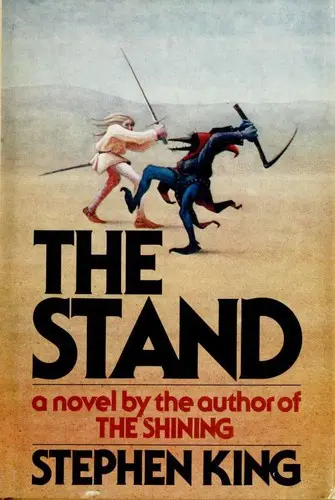
The Stand

Book · 1978

InfluenceHIGH

From S.K. own words : For a long time—ten years, at least—I had wanted to write a fantasy epic like The Lord of the Rings, only with an American setting.

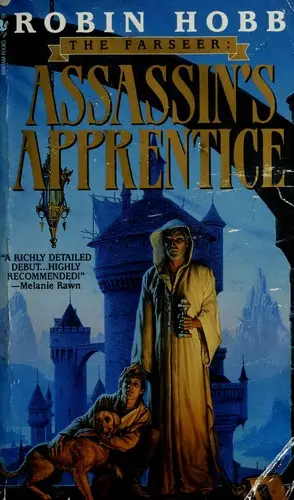
The Farseer Trilogy

Book · 1995

InfluenceMEDIUM

Hobb consciously shifted the emphasis from epic heroes to intimate character studies but Tolkien remained a foundational influence.

  • Deep secondary world with extensive history and mythology.
  • Ancient civilizations continue to shape the present.
  • Magic is ancient, mysterious, and woven into the world's history.
  • Themes of duty, sacrifice, loyalty, and perseverance.
  • Epic conflicts affect the fate of entire kingdoms.
  • Richly developed cultures, traditions, and languages.
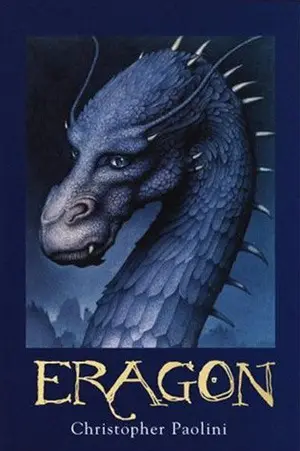
The Inheritance Cycle

Book · 2000

InfluenceMEDIUM

LOTR influence is evident in:

  • A medieval secondary world populated by elves, dwarves, dragons, and ancient languages.
  • A young, reluctant hero (Eragon) embarking on a world-changing quest.
  • A wise mentor (Brom) who echoes aspects of Gandalf.
  • An ancient Dark Lord (Galbatorix) whose shadow looms over the story.
  • The use of invented languages and detailed world-building.
  • Etc
The Farseer Trilogy

Book · 1995

Reaction againstMEDIUM

Robin Hobb has said she wanted to write fantasy with greater psychological depth and emotional realism than was common in earlier epic fantasy, including LOTR.

  • Focuses on one deeply flawed, psychologically complex protagonist rather than a large heroic fellowship.
  • Prioritizes intimate emotional development over grand adventure.
  • Heroes frequently fail, make poor decisions, and suffer lasting consequences.
  • Magic is personal, painful, and psychologically costly rather than primarily wondrous.
  • Explores trauma, loneliness, and the long-term emotional effects of sacrifice.
  • Avoids idealized heroism in favour of realistic human vulnerability.
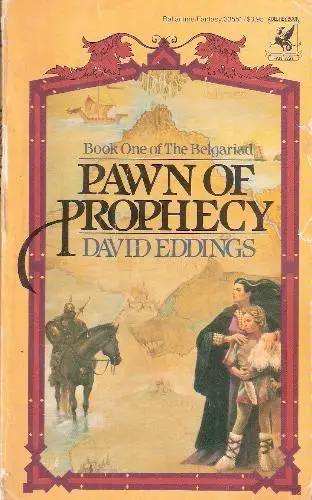
The Belgariad

Book · 1982

InfluenceMEDIUM

Eddings gave the account himself, in The Rivan Codex. He noticed a Tolkien paperback in its umpteenth printing, concluded that readers wanted the shape rather than the novelty, and sat down and drew a map and a list of the things such a book has to contain before writing a word of it. The list is visible in the result: a farm boy who is the lost heir, a wizard who arrives to collect him, a fellowship assembled one representative per nation, a stolen object of power, and a dark god sealed away. Filed MEDIUM rather than HIGH, and deliberately. It is a genre being followed on purpose rather than a book being answered, which is exactly what makes Eddings's candour about it unusual and worth recording.

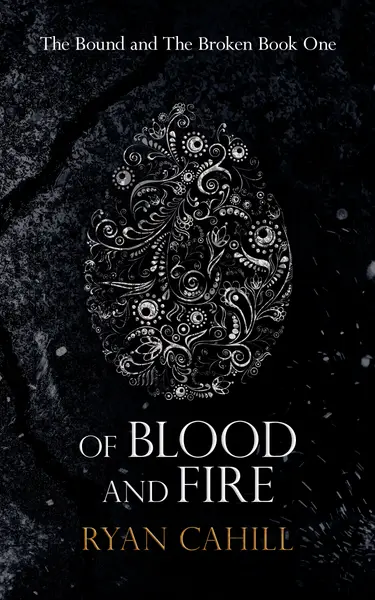
The Bound And The Broken

Book · 2021

InfluenceMEDIUM

Ryan Cahill has openly acknowledged Tolkien as one of his biggest influences.

  • Epic secondary world with deep history and ancient civilizations.
  • A fellowship of heroes from different backgrounds united against a common evil.
  • Ancient dark power returning after centuries of dormancy.
  • Ordinary individuals thrust into world-changing events.
  • Distinct races (humans, elves, dwarves) with long shared histories.
  • Legendary artifacts and lost kingdoms shape the present.
  • Themes of friendship, sacrifice, hope, and courage against overwhelming odds.
  • Expansive maps, languages, and historical lore supporting the world.
Discworld

Book · 1983

InfluenceMEDIUM

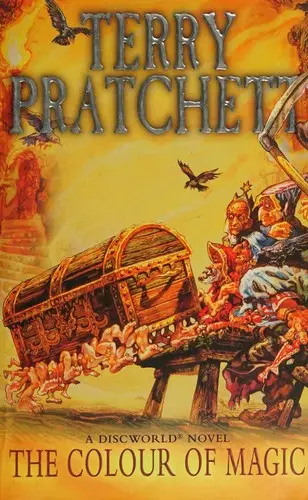
The early Discworld books are parody, and Tolkien is the largest thing being parodied: the quest, the wizard, the reluctant small person, the dark lord whose defeat restores a king. Pratchett read The Lord of the Rings at thirteen and described it as the book that made him a reader; he also spent forty years pointing out what it had made the genre lazy about. Both halves are in Discworld, which is why the series outgrew parody: it kept asking who cleans up after the quest. Filed MEDIUM. The debt is to the whole tradition Tolkien fixed rather than to the text.

Mistborn

Book · 2001

InfluenceMEDIUM

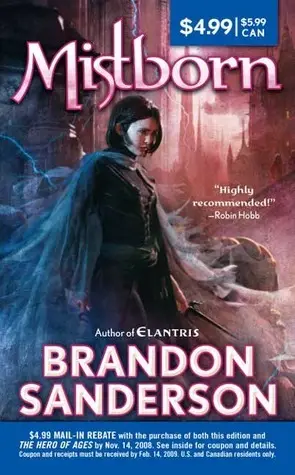
Sanderson deliberately engaged with Tolkien's model of epic fantasy. Without Tolkien's work and its enormous influence on the genre, Mistborn's central premise wouldn't have the same context. Where Sanderson differs the most Sanderson was to ask "What if the Dark Lord won?" In that sense, he is reacting against one of the defining assumptions of Tolkien-inspired fantasy—that the heroes ultimately defeat the Dark Lord. Mistborn begins after that victory has failed.

The Wheel Of Time

Book · 1990

InfluenceMEDIUM

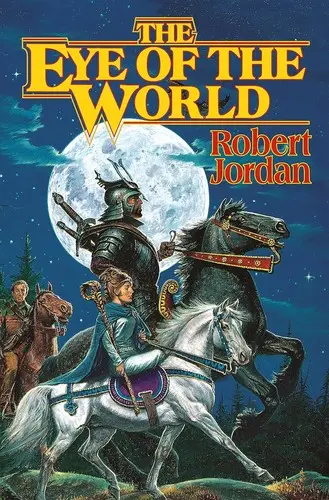
The Wheel of Time was heavily influenced by The Lord of the Rings, especially in its opening: a group of young villagers flee their home with a mysterious mentor while pursued by servants of an ancient evil. Robert Jordan deliberately used this familiar Tolkien framework, then expanded it into a much larger story with cyclical history, complex politics, and a detailed magic system that set it apart from Tolkien's work.

The Dark Tower

Book · 1982

InfluenceMEDIUM

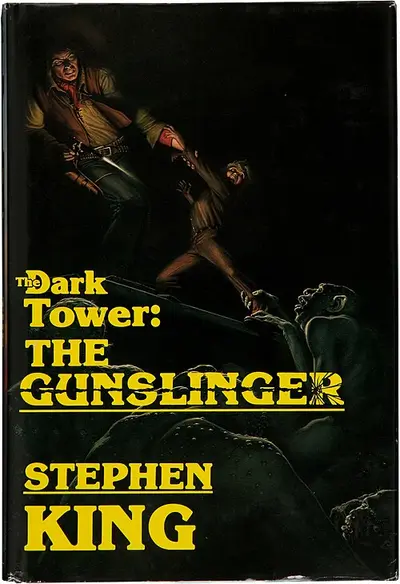
King has described the ambition directly: he had read Tolkien as a teenager and wanted to write something with that scope, but refused to write it with Tolkien's furniture. What carries over is the quest structure, a fellowship assembled from different worlds, and a landscape that is itself the evidence of a catastrophe nobody alive remembers. The graph already records Tolkien pointing at The Stand on similar grounds.

The Lord of the Rings: The Rings of Power

TV Series · 2022

AdaptationMEDIUM

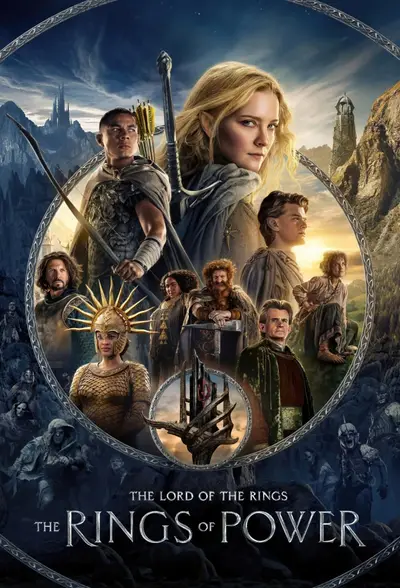
The series is licensed from The Lord of the Rings and its appendices only, not from The Silmarillion, which is the constraint that shapes it: the Second Age events it dramatises exist in the appendices as a chronology of names and dates, so most of the connective material is written for the series.

Babylon 5

TV Series · 1993

InfluenceMEDIUM

J. Michael Straczynski has named The Lord of the Rings as a model for Babylon 5's five-year story: an ancient darkness, the Shadows, returning after a thousand years, elder races who leave the galaxy at the end, and a hero who falls into the abyss and comes back changed.

Winterlands

Book · 1986

Reaction againstMEDIUM

Bringing more realism in the character and their life against the Tolkien heroic archetype : the heroes conflicts revolve as much around marriage, ambition, and responsibility as around dragons.

The War of the Rohirrim

Animation · 2024

AdaptationLOW

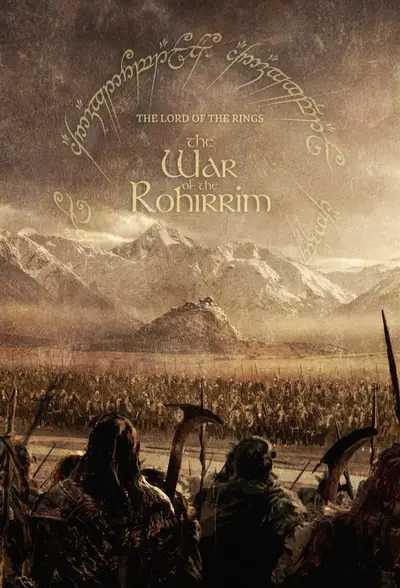
The film is built out of Appendix A, where Tolkien gives the House of Eorl a few paragraphs: Helm Hammerhand, the winter siege of the Hornburg, Wulf's attack, and the deaths that end Helm's line. That is the entire source. The appendix names the events and almost nobody in them speaks; Helm's daughter, who the film is about, is not given a name by Tolkien at all. Filed LOW for exactly that reason. Everything that makes it a story, and the protagonist herself, was written for the screen around a skeleton of published fact. That is a real adaptation and a thin one.

What influenced The Lord of the Rings

The works this one is recorded as drawing on.

The Worm Ouroboros

Book · 1922

InfluenceHIGH

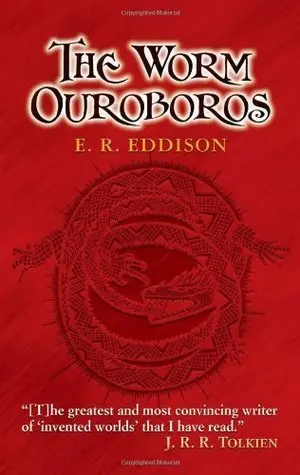
Tolkien was inspired by Eddison's vision of a fully realized secondary world and elevated, mythic style. The Lord of the Rings ultimately took fantasy in a different direction by grounding its epic adventure in richer moral themes, linguistic depth, and more relatable characters.

Beowulf

Poetry · 1877

InfluenceHIGH

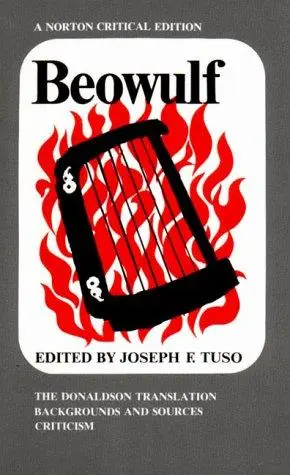
Tolkien's 1936 lecture on Beowulf is still the poem's most cited piece of criticism, so this is a case of a scholar writing fiction out of the text he had spent his career on. Rohan is Anglo-Saxon England with horses. Meduseld is Heorot, down to the doorwarden who makes visitors surrender their weapons and the counsellor at the king's ear; Théoden's hall scene rewrites Beowulf's arrival almost beat for beat. The graph already holds Beowulf pointing at The Hobbit, where the theft of a cup from a sleeping dragon is lifted whole. This is the other half of the same debt.

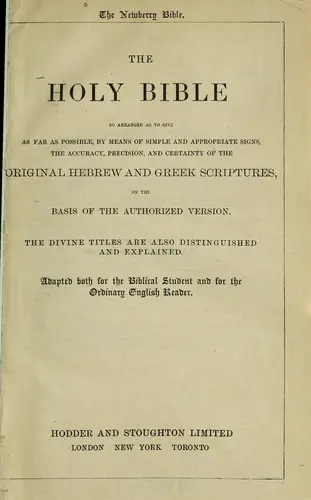
Bible Holy Bible

Scripture · 400

InfluenceMEDIUM

In the foreword to the second edition of The Lord of the Rings, Tolkien wrote: "The Lord of the Rings is of course a fundamentally religious and Catholic work; unconsciously so at first, but consciously in the revision. Biblical influences:

  • The struggle between good and evil: Like the Bible, the story centers on a moral conflict between good and evil, with evil portrayed as corrupting rather than creative.
  • The Fall: The corrupting power of the One Ring resembles the biblical idea of temptation and humanity's fall into sin.
  • Humility over power: Ordinary, humble hobbits succeed where the mighty often fail, echoing biblical themes that God works through the lowly.
  • Providence: Characters frequently speak of events being "meant" to happen, suggesting a guiding providence similar to divine providence in Christianity.
  • Mercy and forgiveness: Bilbo's and Frodo's mercy toward Gollum ultimately proves crucial, reflecting biblical teachings on mercy and grace.
  • Sacrifice and resurrection: Gandalf dies confronting the Balrog and returns transformed as Gandalf the White, a scene often compared to resurrection, though Tolkien denied Gandalf was simply a Christ figure.
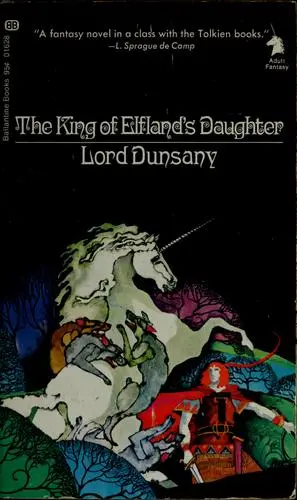
The king of Elfland's daughter

Book · 1924

InfluenceMEDIUM

Tolkien admired Lord Dunsany, although his own style became more grounded in Norse and Anglo-Saxon traditions. Shared elements include:

  • secondary worlds that feel ancient and complete,
  • a mythic narrative voice,
  • magic treated as mysterious rather than mechanical.